
When mRNA Doesn’t Tell the Whole Story: Transcriptome-Proteome Multi-omics
 Transcriptomics and proteomics are two core tools for profiling gene expression. The transcriptome represents the intermediate state of gene expression and reveals transcriptional and post-transcriptional regulation, while proteins serve as the direct functional executors in organisms.
Why Multi-omics?
mRNA abundance does not always correlate with protein abundance. Multiple regulatory events, including translation efficiency, protein degradation and modification, occur between transcription and translation, and such discrepancies often underpin critical regulatory mechanisms.
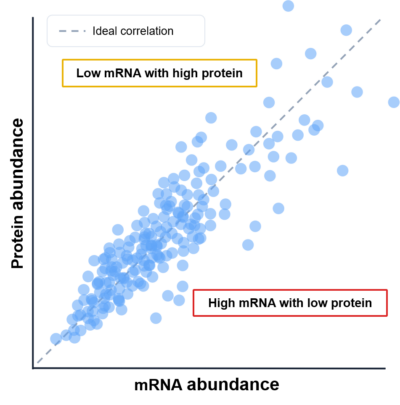 Figure 1. Correlation between mRNA abundance and protein abundance.
The dashed line represents ideal 1:1 correlation. Genes deviated from this line reveal post-transcriptional, translational or protein stability regulation.
Designing a Multi-omics Study Based on Biological Questions
To investigate disease or stress responses, integrated analysis of transcriptomic and proteomic expression data is required. Especially, the two discordant patterns are vital for investigations. High mRNA with low protein suggests translational repression or rapid protein degradation, and low mRNA with high protein indicates enhanced protein stability. This multi-omics strategy uncovers gene-protein relationships, precisely characterizes gene expression and regulatory circuits, and addresses biological questions at a systemic level.
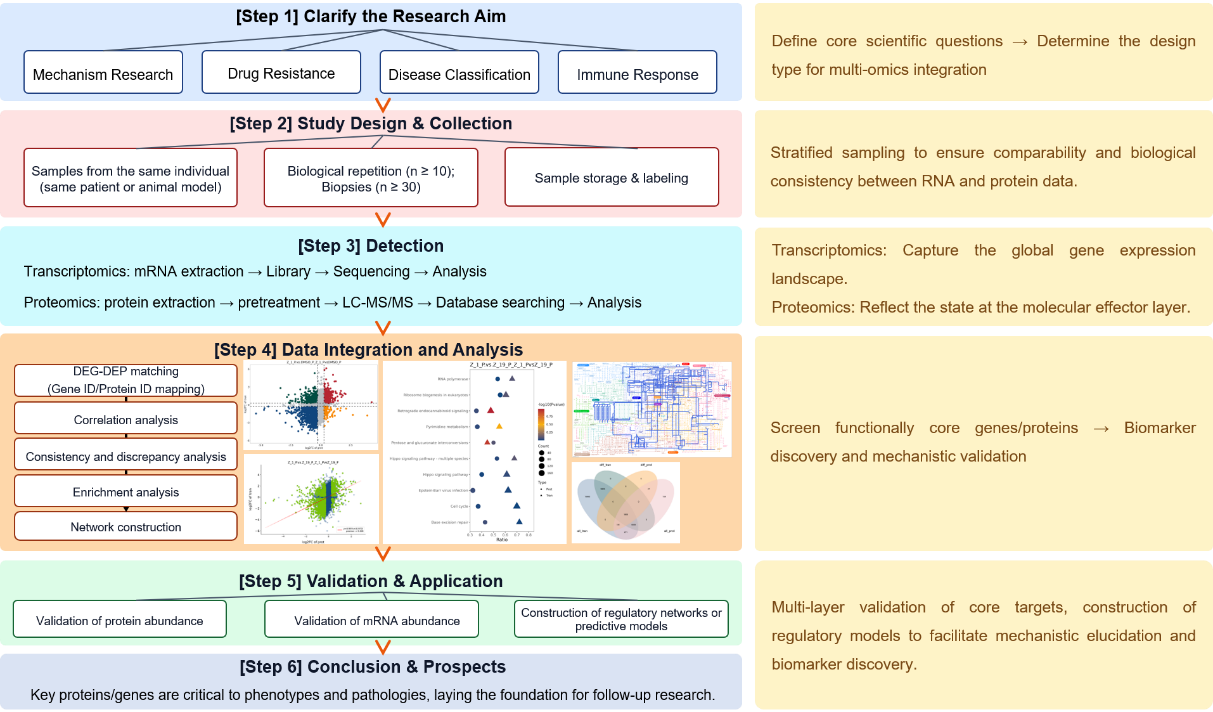 Figure 2. End-to-end workflow of transcriptome-proteome study.
Key Applications
1. Agriculture and Forestry: Research on stress resistance mechanisms, growth and development mechanisms, breeding and conservation.
2. Animal Husbandry: Studies of meat and dairy quality, as well as disease pathogenic mechanisms.
3. Basic Medicine & Clinical Diagnosis: Biomarker discovery, disease mechanism elucidation, disease subtyping and personalized therapy.
4. Biopharmaceuticals: Investigation of drug action mechanisms, pharmacodynamic evaluation and drug development.
Technical Advantages
1. Custom protein database construction to greatly increase the number of identified proteins.
2. Multi-layer expression profiling to build a molecular expression profile.
3. Multi-omics cross-validation for in-depth dissection of regulatory mechanisms.
4. Validation of genetic mutation information at the protein level.
5. Precision medicine: enabling the transition from genomics to proteogenomics.
Pitfall Guide for Transcriptome-Proteome Integrated Analysis
1. Use matched samples from the same batch Avoid batch-derived intergroup variation that undermines the reliability of multi-omics correlation.
2. Match your technical workflow: For multi-group comparisons or large-cohort studies, prioritize RNA-seq paired with high resolution proteomics.
3. Do not focus solely on co-expression during data analysis: Anti-correlated molecules often underpin critical regulatory mechanisms.
Proteome plus transcriptome integration enables full coverage of biological processes, spanning transcriptional regulation through protein function. This strategy greatly enhances research depth and novelty.