
Messenger RNA sequencing (mRNA-seq) has revolutionized the exploration of cellular functionality, offering researchers unparalleled insights into the transcriptional landscape of cells. By leveraging high-throughput and precise next-generation sequencing (NGS) techniques, RNA-seq unveils gene expression profiles and highlights the dynamic variations within the transcriptome. This innovative technique selectively captures or enriches single-stranded messenger RNAs (mRNAs), converting them into complementary DNA (cDNA) for streamlined library preparation.
At Novogene, we employ the latest Illumina NovaSeq platforms for sequencing cDNA libraries. These platforms utilize a paired-end 150 bp sequencing strategy, providing high-quality short-read data. Leveraging our extensive experience and robust sequencing capacity, Novogene offers a diverse range of services to meet various research objectives. Our offerings extend beyond eukaryotic mRNA sequencing (mRNA-seq). Novogene can also deliver data on prokaryotic transcripts, non-coding RNAs, full-length isoforms (long-reads), whole transcriptomes, and meta-transcriptomes.


Consistently exceeding manufacturer performance benchmarks.

Regional sequencing facilities and dedicated customer service.

From QC to FASTQ Files in As Little As 7 Business Days.

Over 1 million RNA-seq samples delivered annually.

Customized workflows and analysis for challenging or complex samples.

Expert bioinformaticians and well-established bioinformatics pipelines ensure publication-ready data of the highest quality.
Discover the power of mRNA-seq with Novogene’s services, designed to assist in a variety of research goals:
Understand transcript profiles across different tissues, conditions, and treatments.
Identify new transcripts, alternative splicing, and variations for a comprehensive view.
Study developmental mechanisms and drug resistance through time-course gene expression.
Discover potential biomarkers using novel transcripts, SNP/InDel identification, and fusion gene analysis.
Combine transcriptome data with omics analysis for a holistic perspective.
Investigate pathogenic mechanisms and clinical subtypes for precise clinical diagnosis.
Sample amounts are listed for reference only. Download the Sample Submission Guidelines to learn more. For detailed information, please contact us with your customized requests.
Recommended data outputs and analysis contents displayed are for reference only. For detailed information, please contact us with your customized requests.
Our mRNA-Seq workflow ensures high-quality results through a rigorous, step-by-step process:

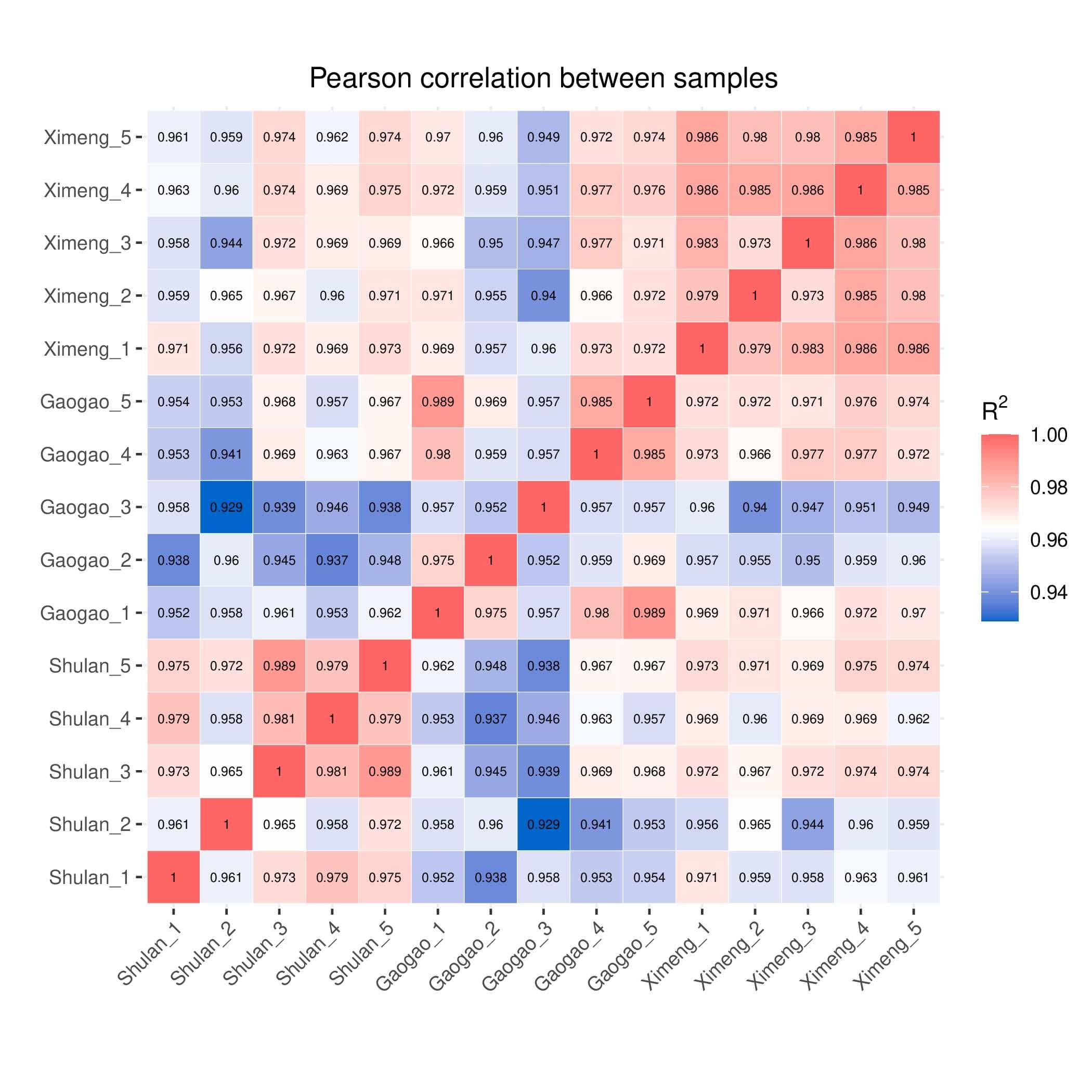
Correlation heatmap among samples.
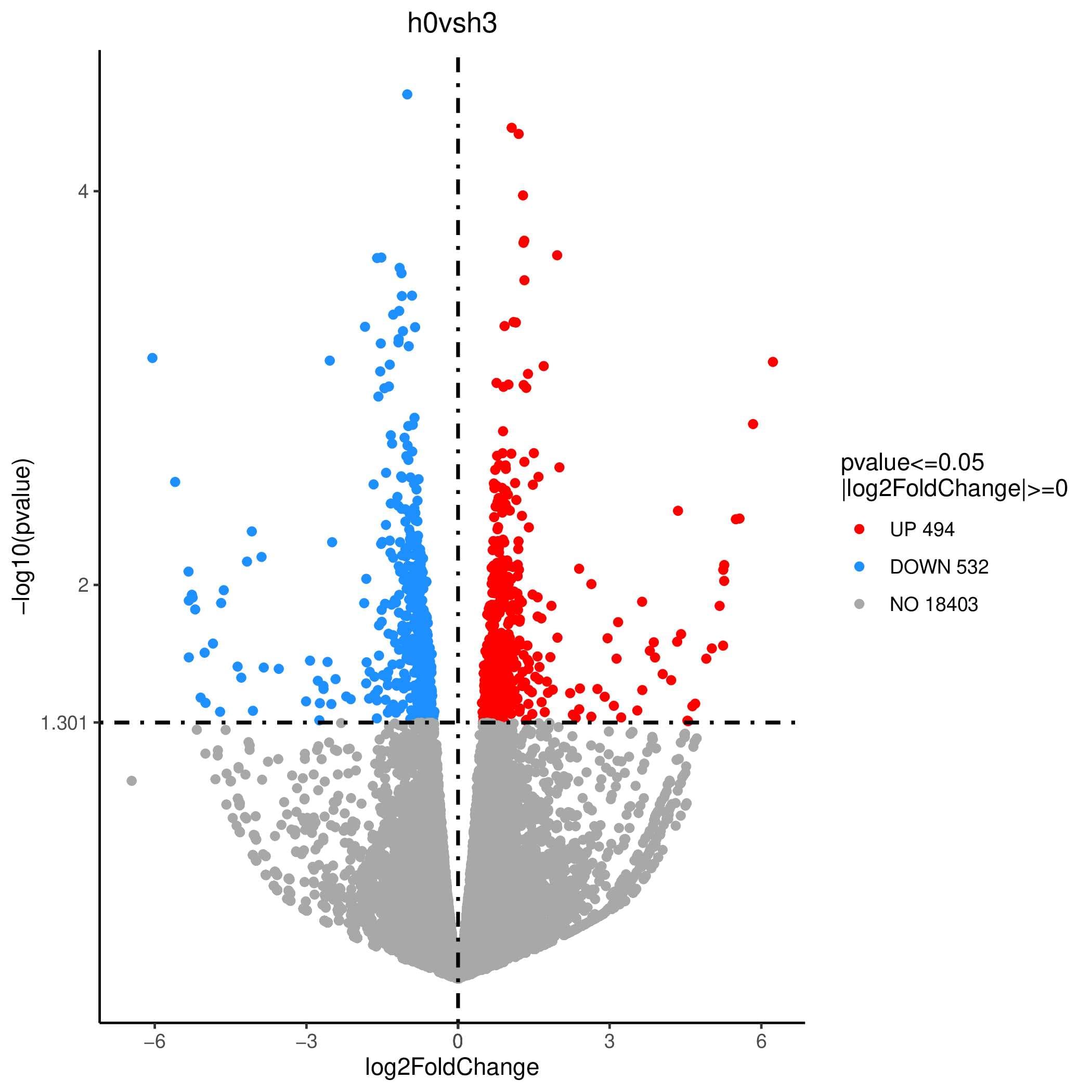
Differentially up-regulated and differentially down-regulated gene map
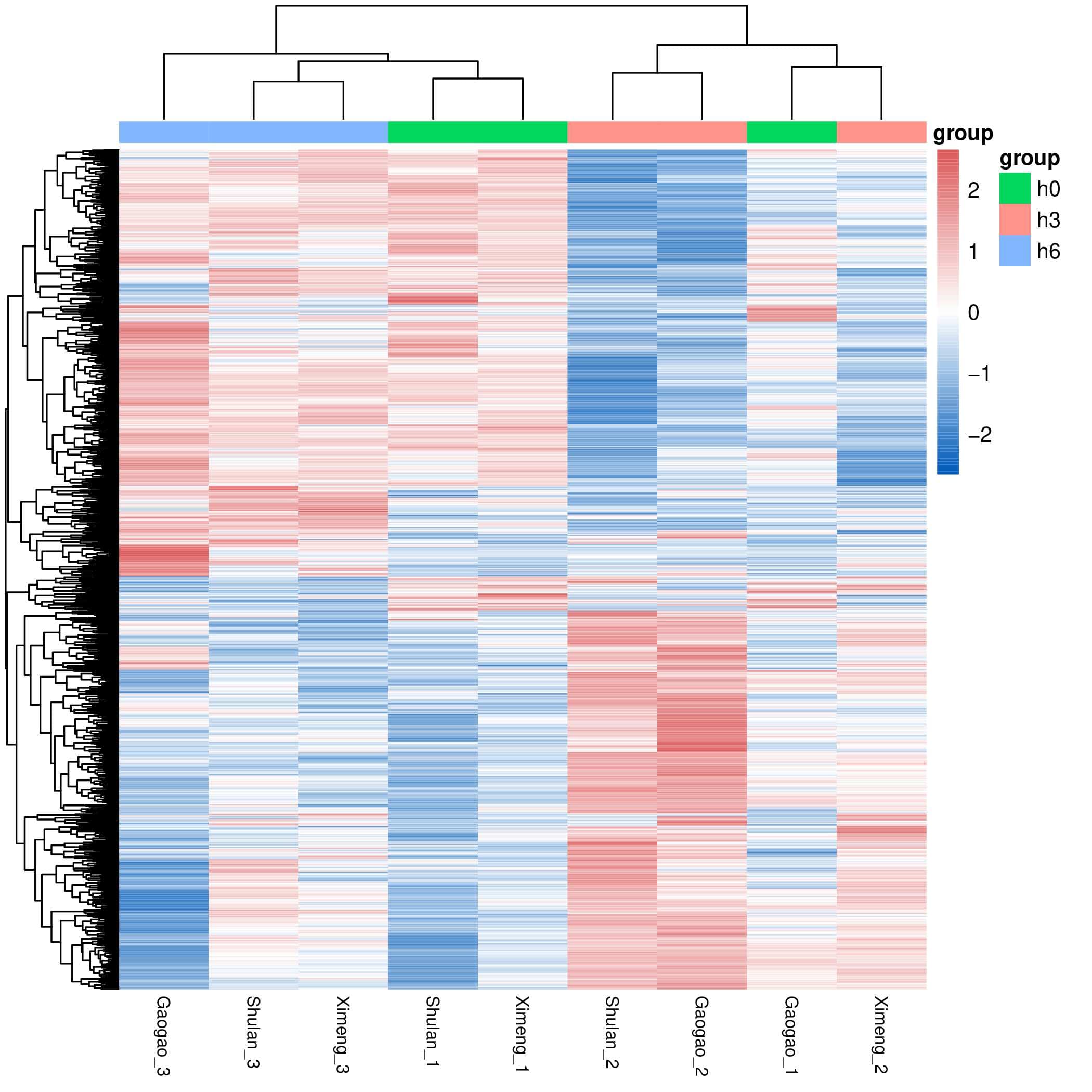
Cluster diagram of DEGs in samples from different groups
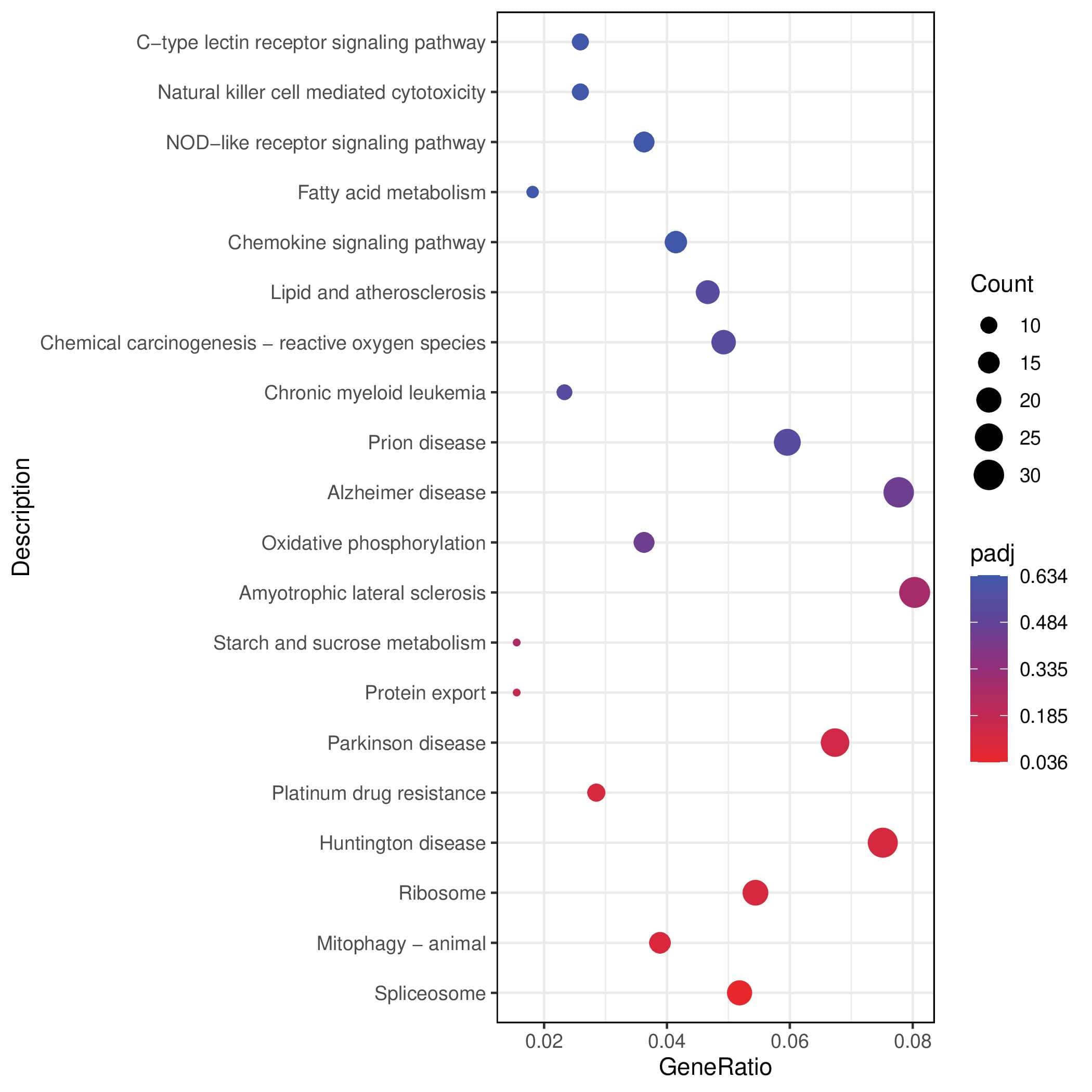
KEGG enrichment map of DEG
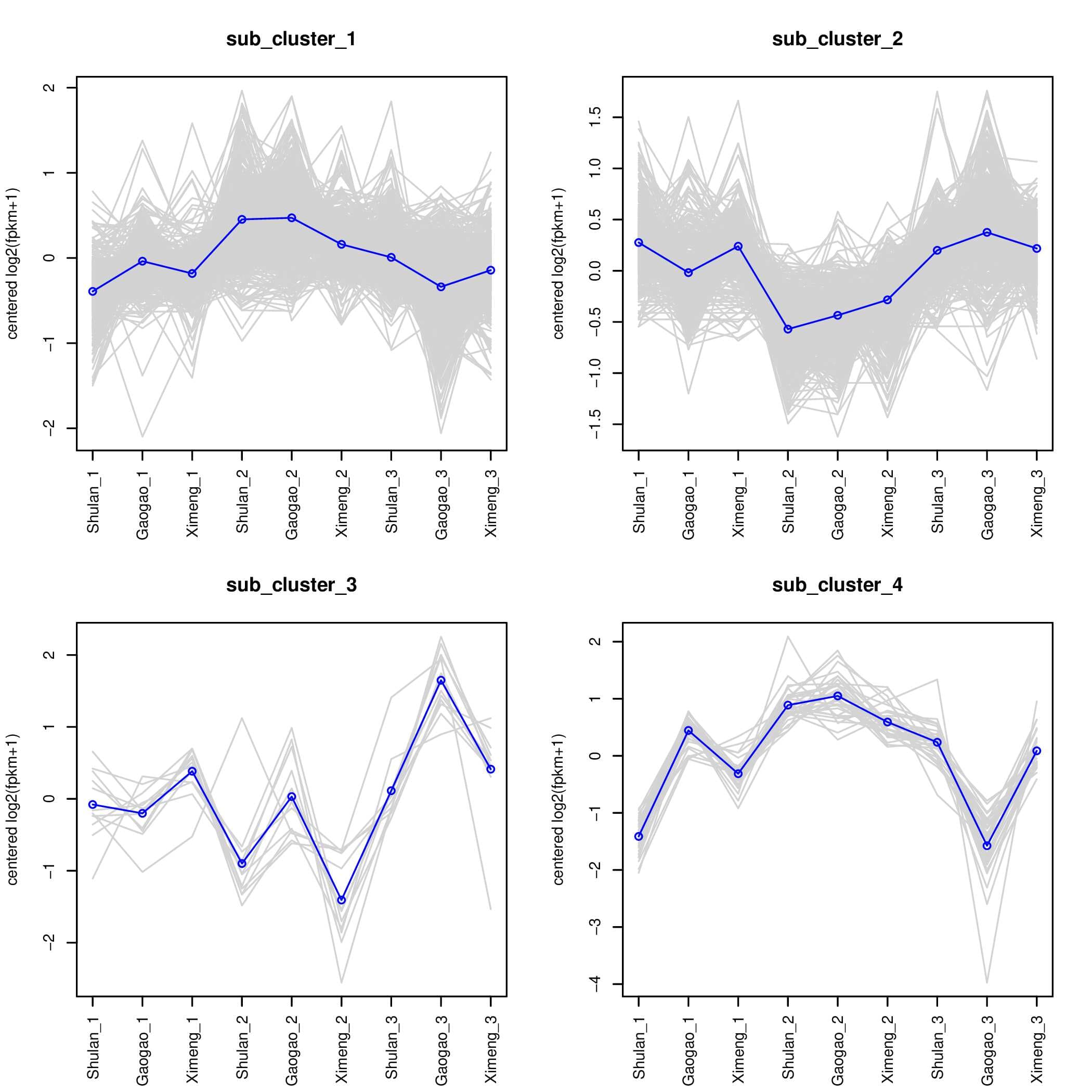
The genes within the same cluster exhibit similar trends in expression level changes under different treatment conditions.
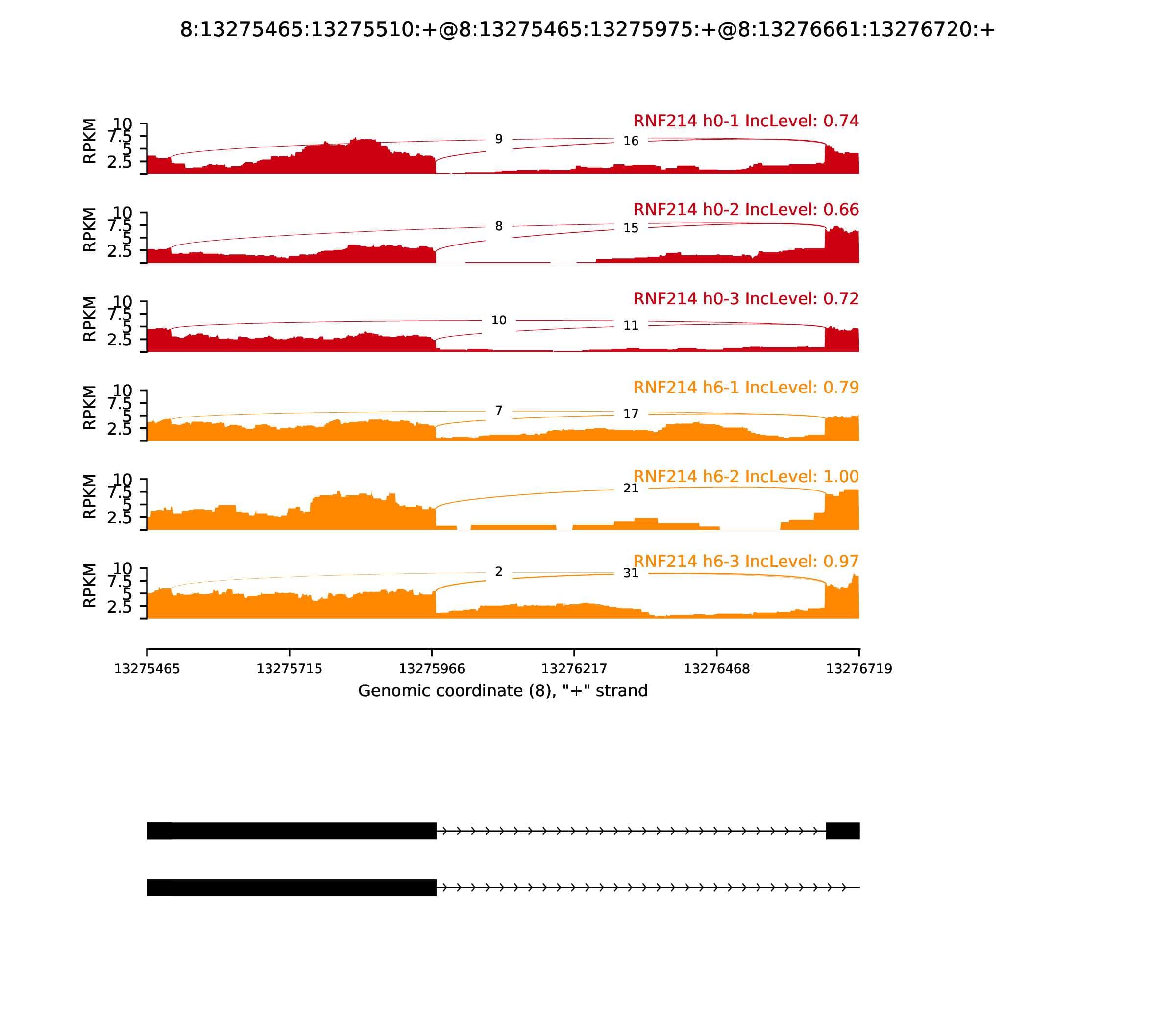
The differential AS events identified by the rMATS software
The amount of data required for RNA-seq depends on the purpose of the research.
For gene-level differential expression with detection of lowly expressed genes, we recommend sequencing deeper, with at least 30–60 million reads depending on the expression levels (start with 30 million reads is reasonable with a good number of replicates).
For general gene-level differential expression, the ENCODE guidelines suggest 30 million reads per sample (stranded). However, 20 million reads per sample is often sufficient if there are a good number of replicates (>3).

Our platform offers tailored solutions for your unique experimental needs, ensuring a seamless experience from project design to data delivery.
Messenger RNA sequencing (mRNA-seq) has revolutionized the exploration of cellular functionality, offering researchers unparalleled insights into the transcriptional landscape of cells. By leveraging high-throughput and precise next-generation sequencing (NGS) techniques, RNA-seq unveils gene expression profiles and highlights the dynamic variations within the transcriptome. This innovative technique selectively captures or enriches single-stranded messenger RNAs (mRNAs), converting them into complementary DNA (cDNA) for streamlined library preparation.
At Novogene, we employ the latest Illumina NovaSeq platforms for sequencing cDNA libraries. These platforms utilize a paired-end 150 bp sequencing strategy, providing high-quality short-read data. Leveraging our extensive experience and robust sequencing capacity, Novogene offers a diverse range of services to meet various research objectives. Our offerings extend beyond eukaryotic mRNA sequencing (mRNA-seq). Novogene can also deliver data on prokaryotic transcripts, non-coding RNAs, full-length isoforms (long-reads), whole transcriptomes, and meta-transcriptomes.
Consistently exceeding manufacturer performance benchmarks.
Regional sequencing facilities and dedicated customer service.
From QC to FASTQ Files in As Little As 7 Business Days.
Over 1 million RNA-seq samples delivered annually.
Customized workflows and analysis for challenging or complex samples.
Expert bioinformaticians and well-established bioinformatics pipelines ensure publication-ready data of the highest quality.
Discover the power of mRNA-seq with Novogene’s services, designed to assist in a variety of research goals:
Understand transcript profiles across different tissues, conditions, and treatments.
Identify new transcripts, alternative splicing, and variations for a comprehensive view.
Study developmental mechanisms and drug resistance through time-course gene expression.
Discover potential biomarkers using novel transcripts, SNP/InDel identification, and fusion gene analysis.
Combine transcriptome data with omics analysis for a holistic perspective.
Investigate pathogenic mechanisms and clinical subtypes for precise clinical diagnosis.
Sample amounts are listed for reference only. Download the Sample Submission Guidelines to learn more. For detailed information, please contact us with your customized requests.
Recommended data outputs and analysis contents displayed are for reference only. For detailed information, please contact us with your customized requests.
Our mRNA-Seq workflow ensures high-quality results through a rigorous, step-by-step process:
Correlation heatmap among samples.
Differentially up-regulated and differentially down-regulated gene map
Cluster diagram of DEGs in samples from different groups
KEGG enrichment map of DEG
The genes within the same cluster exhibit similar trends in expression level changes under different treatment conditions.
The differential AS events identified by the rMATS software
The amount of data required for RNA-seq depends on the purpose of the research.
For gene-level differential expression with detection of lowly expressed genes, we recommend sequencing deeper, with at least 30–60 million reads depending on the expression levels (start with 30 million reads is reasonable with a good number of replicates).
For general gene-level differential expression, the ENCODE guidelines suggest 30 million reads per sample (stranded). However, 20 million reads per sample is often sufficient if there are a good number of replicates (>3).
Our platform offers tailored solutions for your unique experimental needs, ensuring a seamless experience from project design to data delivery.