
• Cart
    • Quote
    • Inquiry
    • Cart
    • Quote
    • Inquiry
Novogene
  • Novogene
  • Genomics
    • Human Whole Genome Sequencing
    • Whole Exome Sequencing
    • Plant and Animal Whole Genome Sequencing
    • Plant and Animal De Novo Sequencing
    • Microbial Whole Genome Sequencing
    • Microbial De Novo Sequencing

    Metagenomics

    • Shotgun Metagenomics Sequencing
    • Amplicon Sequencing

    Transcriptomics

    • mRNA Sequencing
    • Swift & Express mRNA Sequencing New!
    • Full-Length Transcriptome Sequencing
    • Prokaryotic RNA Sequencing
    • Metatranscriptome Sequencing
    • Total RNA Sequencing
    • Small RNA Sequencing (sRNA‑seq)
    • Whole Transcriptome Sequencing

    Single Cell & Spatial Omics

    • 10x Single Cell Gene Expression
    • Illumina PIP-seq Single Cell 3’ RNA Sequencing New!
    • Spatial Transcriptomics Sequencing New!

    Epigenomics

    • Whole Genome Bisulfite Sequencing (WGBS)
    • Enzymatic Methylation Sequencing
    • Directed Methylation Sequencing (DM-Seq) New!
    • RNA Immunoprecipitation Sequencing (RIP-seq)
    • Chromatin Immunoprecipitation Sequencing (ChIP-seq)
    • Cleavage Under Targets & Tagmentation (CUT&Tag) New!
    • Assay for Transposase-Accessible Chromatin with Sequencing (ATAC-seq)
    • Reduced Representation Bisulfite Sequencing (RRBS)

    Proteomics

    • Quantitative Proteomics New!
    • PTM Proteomics New!
    • Olink Proteomics New!

    Metabolomics

    • Untargeted Metabolomics

    Premade Library

    • Sequencing Only on Illumina Sequencer
    • Sequencing Only on Ultima Sequencer
  • PromotionsPromotions
    • Platforms
    • Service & Support
    • Automated Delivery Platform (Falcon)
    • Bioinformatics Analysis Tool (NovoMagic)
    • Customer Service System (CSS)
    • Case Study
    • Blog
    • Webinar
    • Brochure
    • Cancer Research
    • Immuno-oncology
    • Agrigenomics
    • Environment
    • Food Science
    • Human Microbiome
    • Plant and Animal Microbiome
    • Drug Discovery and Development
    • Rare and Complex Diseases
    • About Us
    • Our Locations
    • News & Events
    • Careers
  • Contact UsContact Us
    • mRNA Sequencing
    • Illumina Lane Sequencing

ServicesServices menu

CompanyCompany menu

Contact UsContact Us menu

Service SupportService Support menu

Services
mRNA SequencingSwift & Express mRNA SequencingTotal RNA SequencingHuman Whole Genome SequencingWhole Exome Sequencing10x Single Cell Gene ExpressionIllumina PIP-seq Single Cell 3’ RNA SequencingSpatial Transcriptomics SequencingWhole Genome Bisulfite Sequencing (WGBS)Quantitative ProteomicsUntargeted MetabolomicsShotgun Metagenomics SequencingMetatranscriptome SequencingSequencing Only on Illumina SequencerSequencing Only on Ultima SequencerFull-Length Transcriptome SequencingChromatin Immunoprecipitation Sequencing (ChIP-seq)
Company
About UsOur LocationsNews & EventsCareers
Contact Us
Contact Us
Service Support
Automated Delivery Platform (Falcon)Bioinformatics Analysis Tool (NovoMagic)Customer Service System (CSS)
LinkedInLinkedIn hoverYouTubeYouTube hoverXX hoverMetaMeta hoverInstagramInstagram hover
Copyright © 2026 Novogene Corporation Inc. All rights reserved. For Research Use Only.
    • Cart
    • Quote
    • Inquiry
    • Cart
    • Quote
    • Inquiry
Novogene
  • Novogene
  • Genomics
    • Human Whole Genome Sequencing
    • Whole Exome Sequencing
    • Plant and Animal Whole Genome Sequencing
    • Plant and Animal De Novo Sequencing
    • Microbial Whole Genome Sequencing
    • Microbial De Novo Sequencing

    Metagenomics

    • Shotgun Metagenomics Sequencing
    • Amplicon Sequencing

    Transcriptomics

    • mRNA Sequencing
    • Swift & Express mRNA Sequencing New!
    • Full-Length Transcriptome Sequencing
    • Prokaryotic RNA Sequencing
    • Metatranscriptome Sequencing
    • Total RNA Sequencing
    • Small RNA Sequencing (sRNA‑seq)
    • Whole Transcriptome Sequencing

    Single Cell & Spatial Omics

    • 10x Single Cell Gene Expression
    • Illumina PIP-seq Single Cell 3’ RNA Sequencing New!
    • Spatial Transcriptomics Sequencing New!

    Epigenomics

    • Whole Genome Bisulfite Sequencing (WGBS)
    • Enzymatic Methylation Sequencing
    • Directed Methylation Sequencing (DM-Seq) New!
    • RNA Immunoprecipitation Sequencing (RIP-seq)
    • Chromatin Immunoprecipitation Sequencing (ChIP-seq)
    • Cleavage Under Targets & Tagmentation (CUT&Tag) New!
    • Assay for Transposase-Accessible Chromatin with Sequencing (ATAC-seq)
    • Reduced Representation Bisulfite Sequencing (RRBS)

    Proteomics

    • Quantitative Proteomics New!
    • PTM Proteomics New!
    • Olink Proteomics New!

    Metabolomics

    • Untargeted Metabolomics

    Premade Library

    • Sequencing Only on Illumina Sequencer
    • Sequencing Only on Ultima Sequencer
  • PromotionsPromotions
    • Platforms
    • Service & Support
    • Automated Delivery Platform (Falcon)
    • Bioinformatics Analysis Tool (NovoMagic)
    • Customer Service System (CSS)
    • Case Study
    • Blog
    • Webinar
    • Brochure
    • Cancer Research
    • Immuno-oncology
    • Agrigenomics
    • Environment
    • Food Science
    • Human Microbiome
    • Plant and Animal Microbiome
    • Drug Discovery and Development
    • Rare and Complex Diseases
    • About Us
    • Our Locations
    • News & Events
    • Careers
  • Contact UsContact Us
    • mRNA Sequencing
    • Illumina Lane Sequencing

ServicesServices menu

CompanyCompany menu

Contact UsContact Us menu

Service SupportService Support menu

Services
mRNA SequencingSwift & Express mRNA SequencingTotal RNA SequencingHuman Whole Genome SequencingWhole Exome Sequencing10x Single Cell Gene ExpressionIllumina PIP-seq Single Cell 3’ RNA SequencingSpatial Transcriptomics SequencingWhole Genome Bisulfite Sequencing (WGBS)Quantitative ProteomicsUntargeted MetabolomicsShotgun Metagenomics SequencingMetatranscriptome SequencingSequencing Only on Illumina SequencerSequencing Only on Ultima SequencerFull-Length Transcriptome SequencingChromatin Immunoprecipitation Sequencing (ChIP-seq)
Company
About UsOur LocationsNews & EventsCareers
Contact Us
Contact Us
Service Support
Automated Delivery Platform (Falcon)Bioinformatics Analysis Tool (NovoMagic)Customer Service System (CSS)
LinkedInLinkedIn hoverYouTubeYouTube hoverXX hoverMetaMeta hoverInstagramInstagram hover
Copyright © 2026 Novogene Corporation Inc. All rights reserved. For Research Use Only.
banner laptop bg
banner mobile bg

Total RNA Sequencing

Comprehensive transcriptome profiling of coding and noncoding RNAs to reveal gene expression patterns and transcriptomic complexity.
OverviewOverview
BenefitsBenefits
ApplicationsApplications
SpecificationsSpecifications
ResourcesResources

Total RNA sequencing (Total RNA-seq) provides a comprehensive view of the transcriptome by capturing both coding and non-coding RNAs, including lncRNAs, mRNAs, and other regulatory RNA species. Using an rRNA depletion strategy, this approach removes ribosomal RNA to enrich informative transcript types, enabling accurate detection of low-abundance and regulatory RNAs that are often missed by poly(A)-based methods.


Novogene’s Total RNA-seq workflow employs a refined library preparation process that enhances transcript diversity and delivers sensitive, strand-specific gene expression profiling. Through our integrated bioinformatics pipeline, researchers can explore transcript structure, quantify expression, and analyze regulatory relationships between lncRNAs and their target mRNAs—all within a single sequencing run. This enables in-depth investigation of RNA function, regulatory mechanisms, and transcriptome-wide activity.


Benefits of Novogene Total RNA Sequencing

high-performance, High-accuracyhigh-performance, High-accuracy
high-performance, High-accuracy

Achieve high-throughput, high-accuracy transcriptome profiling with stringent quality standards (Q30 ≥ 85%) and low RNA input requirements—ideal for sensitive or precious samples.

high-performance, High-accuracy

Achieve high-throughput, high-accuracy transcriptome profiling with stringent quality standards (Q30 ≥ 85%) and low RNA input requirements—ideal for sensitive or precious samples.

Proven Expertise and Reliable Outcomes Proven Expertise and Reliable Outcomes
Proven Expertise and Reliable Outcomes

Benefit from Novogene’s extensive experience in thousands of RNA-seq projects, supporting high-impact publications and providing dependable, well-validated transcriptomic datasets.

Proven Expertise and Reliable Outcomes

Benefit from Novogene’s extensive experience in thousands of RNA-seq projects, supporting high-impact publications and providing dependable, well-validated transcriptomic datasets.

Comprehensive Total RNA AnalysisComprehensive Total RNA Analysis
Comprehensive Total RNA Analysis

Access a complete suite of analyses, including transcript identification, quantification, differential expression, and regulatory characterization of both coding and non-coding RNAs, including lncRNAs.

Comprehensive Total RNA Analysis

Access a complete suite of analyses, including transcript identification, quantification, differential expression, and regulatory characterization of both coding and non-coding RNAs, including lncRNAs.

Strand-specific, Regulatory Aware InsightsStrand-specific, Regulatory Aware Insights
Strand-specific, Regulatory Aware Insights

Enhanced library preparation and rRNA depletion enable sensitive detection of diverse transcripts. strand-specific data support accurate interpretation of lncRNA–mRNA regulatory relationships and functional RNA networks.

Strand-specific, Regulatory Aware Insights

Enhanced library preparation and rRNA depletion enable sensitive detection of diverse transcripts. strand-specific data support accurate interpretation of lncRNA–mRNA regulatory relationships and functional RNA networks.

Publication Ready Bioinformatics SupportPublication Ready Bioinformatics Support
Publication Ready Bioinformatics Support

Receive high quality, expertly curated results from Novogene’s bioinformatics team, including visualization, annotation, and analysis outputs tailored for publication, grant submission, or downstream validation.

Publication Ready Bioinformatics Support

Receive high quality, expertly curated results from Novogene’s bioinformatics team, including visualization, annotation, and analysis outputs tailored for publication, grant submission, or downstream validation.

Benefits of Novogene Total RNA Sequencing

high-performance, High-accuracyhigh-performance, High-accuracy
high-performance, High-accuracy

Achieve high-throughput, high-accuracy transcriptome profiling with stringent quality standards (Q30 ≥ 85%) and low RNA input requirements—ideal for sensitive or precious samples.

high-performance, High-accuracy

Achieve high-throughput, high-accuracy transcriptome profiling with stringent quality standards (Q30 ≥ 85%) and low RNA input requirements—ideal for sensitive or precious samples.

Proven Expertise and Reliable Outcomes Proven Expertise and Reliable Outcomes
Proven Expertise and Reliable Outcomes

Benefit from Novogene’s extensive experience in thousands of RNA-seq projects, supporting high-impact publications and providing dependable, well-validated transcriptomic datasets.

Proven Expertise and Reliable Outcomes

Benefit from Novogene’s extensive experience in thousands of RNA-seq projects, supporting high-impact publications and providing dependable, well-validated transcriptomic datasets.

Comprehensive Total RNA AnalysisComprehensive Total RNA Analysis
Comprehensive Total RNA Analysis

Access a complete suite of analyses, including transcript identification, quantification, differential expression, and regulatory characterization of both coding and non-coding RNAs, including lncRNAs.

Comprehensive Total RNA Analysis

Access a complete suite of analyses, including transcript identification, quantification, differential expression, and regulatory characterization of both coding and non-coding RNAs, including lncRNAs.

Strand-specific, Regulatory Aware InsightsStrand-specific, Regulatory Aware Insights
Strand-specific, Regulatory Aware Insights

Enhanced library preparation and rRNA depletion enable sensitive detection of diverse transcripts. strand-specific data support accurate interpretation of lncRNA–mRNA regulatory relationships and functional RNA networks.

Strand-specific, Regulatory Aware Insights

Enhanced library preparation and rRNA depletion enable sensitive detection of diverse transcripts. strand-specific data support accurate interpretation of lncRNA–mRNA regulatory relationships and functional RNA networks.

Publication Ready Bioinformatics SupportPublication Ready Bioinformatics Support
Publication Ready Bioinformatics Support

Receive high quality, expertly curated results from Novogene’s bioinformatics team, including visualization, annotation, and analysis outputs tailored for publication, grant submission, or downstream validation.

Publication Ready Bioinformatics Support

Receive high quality, expertly curated results from Novogene’s bioinformatics team, including visualization, annotation, and analysis outputs tailored for publication, grant submission, or downstream validation.

Applications of Total RNA‑seq

Total RNA sequencing (Total RNA‑seq) provides a broad, unbiased view of the transcriptome by capturing both coding and non‑coding RNAs, including lncRNAs, mRNAs, and other regulatory RNA species. This enables wide‑ranging applications in research, disease discovery, and functional genomics.

In‑Depth Transcriptome Exploration

Profile known and novel transcripts, quantify expression changes, and detect RNA variations across the entire transcriptome—supporting comprehensive discovery and characterization.

In‑Depth Transcriptome Exploration

Profile known and novel transcripts, quantify expression changes, and detect RNA variations across the entire transcriptome—supporting comprehensive discovery and characterization.

Novel Biological Insight & Biomarker Discovery

Reveal disease‑associated expression patterns and identify candidate biomarkers for cancer, neurological disorders, metabolic diseases, and other conditions through integrated mRNA and lncRNA analysis.

Novel Biological Insight & Biomarker Discovery

Reveal disease‑associated expression patterns and identify candidate biomarkers for cancer, neurological disorders, metabolic diseases, and other conditions through integrated mRNA and lncRNA analysis.

Target Prediction & Functional Interaction Analysis

Predict RNA–RNA and RNA–gene interactions to uncover regulatory targets, downstream pathways, and functional roles of coding and non‑coding RNAs.

Target Prediction & Functional Interaction Analysis

Predict RNA–RNA and RNA–gene interactions to uncover regulatory targets, downstream pathways, and functional roles of coding and non‑coding RNAs.

Regulatory Network Characterization

Investigate lncRNA–mRNA regulatory relationships and broader gene expression networks to understand molecular mechanisms underlying development, stress response, and disease progression.

Regulatory Network Characterization

Investigate lncRNA–mRNA regulatory relationships and broader gene expression networks to understand molecular mechanisms underlying development, stress response, and disease progression.

Applications of Total RNA‑seq

Total RNA sequencing (Total RNA‑seq) provides a broad, unbiased view of the transcriptome by capturing both coding and non‑coding RNAs, including lncRNAs, mRNAs, and other regulatory RNA species. This enables wide‑ranging applications in research, disease discovery, and functional genomics.

In‑Depth Transcriptome Exploration

Profile known and novel transcripts, quantify expression changes, and detect RNA variations across the entire transcriptome—supporting comprehensive discovery and characterization.

In‑Depth Transcriptome Exploration

Profile known and novel transcripts, quantify expression changes, and detect RNA variations across the entire transcriptome—supporting comprehensive discovery and characterization.

Novel Biological Insight & Biomarker Discovery

Reveal disease‑associated expression patterns and identify candidate biomarkers for cancer, neurological disorders, metabolic diseases, and other conditions through integrated mRNA and lncRNA analysis.

Novel Biological Insight & Biomarker Discovery

Reveal disease‑associated expression patterns and identify candidate biomarkers for cancer, neurological disorders, metabolic diseases, and other conditions through integrated mRNA and lncRNA analysis.

Target Prediction & Functional Interaction Analysis

Predict RNA–RNA and RNA–gene interactions to uncover regulatory targets, downstream pathways, and functional roles of coding and non‑coding RNAs.

Target Prediction & Functional Interaction Analysis

Predict RNA–RNA and RNA–gene interactions to uncover regulatory targets, downstream pathways, and functional roles of coding and non‑coding RNAs.

Regulatory Network Characterization

Investigate lncRNA–mRNA regulatory relationships and broader gene expression networks to understand molecular mechanisms underlying development, stress response, and disease progression.

Regulatory Network Characterization

Investigate lncRNA–mRNA regulatory relationships and broader gene expression networks to understand molecular mechanisms underlying development, stress response, and disease progression.

Specifications

Sample Requirements

Sample amounts are listed for reference only. Download the Sample Submission Guidelines to learn more. For detailed information, please contact us with your customized requests.

Library Type (All workflows use rRNA‑depletion)Sample TypeAmountRNA Integrity NumberPurity (NanoDrop)
lncRNA LibraryTotal RNA≥ 300 ngRIN ≥ 5.5, smooth baselineOD260/280≥ 2.0; 0D260/230≥ 2.0;
no degradation, no contamination
Total RNA (human, mouse, rat)≥ 25 ngRIN ≥ 5.5, flat baseline
Total RNA (blood; human, mouse, rat)≥ 120 ngRIN ≥ 5.5, flat baseline
Exosomal lncRNA LibraryExosomal RNA≥ 5 ngFragment size 25–200 nt, FU* > 10
Dual RNA LibraryTotal RNA≥ 1 µgRIN ≥ 6.5, flat baseline

Sample Requirements

Sample amounts are listed for reference only. Download the Sample Submission Guidelines to learn more. For detailed information, please contact us with your customized requests.

Library Type (All workflows use rRNA‑depletion)Sample TypeAmountRNA Integrity NumberPurity (NanoDrop)
lncRNA LibraryTotal RNA≥ 300 ngRIN ≥ 5.5, smooth baselineOD260/280≥ 2.0; 0D260/230≥ 2.0;
no degradation, no contamination
Total RNA (human, mouse, rat)≥ 25 ngRIN ≥ 5.5, flat baseline
Total RNA (blood; human, mouse, rat)≥ 120 ngRIN ≥ 5.5, flat baseline
Exosomal lncRNA LibraryExosomal RNA≥ 5 ngFragment size 25–200 nt, FU* > 10
Dual RNA LibraryTotal RNA≥ 1 µgRIN ≥ 6.5, flat baseline

Sample Requirements

Sample amounts are listed for reference only. Download the Sample Submission Guidelines to learn more. For detailed information, please contact us with your customized requests.

Library Type (All workflows use rRNA‑depletion)Sample TypeAmountRNA Integrity NumberPurity (NanoDrop)
lncRNA LibraryTotal RNA≥ 300 ngRIN ≥ 5.5, smooth baselineOD260/280≥ 2.0; 0D260/230≥ 2.0;
no degradation, no contamination
Total RNA (human, mouse, rat)≥ 25 ngRIN ≥ 5.5, flat baseline
Total RNA (blood; human, mouse, rat)≥ 120 ngRIN ≥ 5.5, flat baseline
Exosomal lncRNA LibraryExosomal RNA≥ 5 ngFragment size 25–200 nt, FU* > 10
Dual RNA LibraryTotal RNA≥ 1 µgRIN ≥ 6.5, flat baseline

Sample Requirements

Sample amounts are listed for reference only. Download the Sample Submission Guidelines to learn more. For detailed information, please contact us with your customized requests.

Library Type (All workflows use rRNA‑depletion)Sample TypeAmountRNA Integrity NumberPurity (NanoDrop)
lncRNA LibraryTotal RNA≥ 300 ngRIN ≥ 5.5, smooth baselineOD260/280≥ 2.0; 0D260/230≥ 2.0;
no degradation, no contamination
Total RNA (human, mouse, rat)≥ 25 ngRIN ≥ 5.5, flat baseline
Total RNA (blood; human, mouse, rat)≥ 120 ngRIN ≥ 5.5, flat baseline
Exosomal lncRNA LibraryExosomal RNA≥ 5 ngFragment size 25–200 nt, FU* > 10
Dual RNA LibraryTotal RNA≥ 1 µgRIN ≥ 6.5, flat baseline

Sequencing and Analysis

Recommended data outputs and analysis contents displayed are for reference only. For detailed information, please contact us with your customized requests.

Sequencing PlatformIllumina NovaSeq Plus
Recommended Data Output≥ 40 million read pairs per sample
Recommended Sequencing Depth≥ 40 million read pairs per sample for species with reference genome
Data qualityGuaranteed ≥ 85% bases with Q30 or higher
Standard Data Analysis• Data QC (adapter, ambiguous, and low‑quality read filtering)
• Read mapping & transcript prediction
• Alternative splicing quantification & differential AS (comparison groups)
• Structural transcript analysis
• lncRNA prediction
• Transcript expression quantification
• SNP/InDel detection & annotation
• Transcript assembly
• Correlation analysis (requires biological replicates)
• Differential expression analysis (comparison groups)
• lncRNA target prediction
• Candidate lncRNA filtering
• Co‑location & co‑expression analysis of lncRNA–mRNA pairs
• KEGG pathway enrichment
• Functional analysis of differentially expressed mRNAs/lncRNA targets
• Transcription factor annotation
• Protein–protein interaction (PPI) analysis
• Fusion gene detection (tumor/cancer samples only)

Project Workflow

Novogene’s Total RNA sequencing (Total RNA‑seq) workflow begins with sample preparation and quality control, followed by ribosomal RNA (rRNA) depletion to enrich informative transcripts. The remaining RNA is fragmented and converted into cDNA, after which strand‑specific (directional) libraries are prepared. Sequencing is carried out using a paired‑end 150 bp strategy on the Illumina platform. All data are processed through Novogene’s established bioinformatics pipeline, with custom analysis options available upon request.

Project Workflow

Sequencing and Analysis

Recommended data outputs and analysis contents displayed are for reference only. For detailed information, please contact us with your customized requests.

Sequencing PlatformIllumina NovaSeq Plus
Recommended Data Output≥ 40 million read pairs per sample
Recommended Sequencing Depth≥ 40 million read pairs per sample for species with reference genome
Data qualityGuaranteed ≥ 85% bases with Q30 or higher
Standard Data Analysis• Data QC (adapter, ambiguous, and low‑quality read filtering)
• Read mapping & transcript prediction
• Alternative splicing quantification & differential AS (comparison groups)
• Structural transcript analysis
• lncRNA prediction
• Transcript expression quantification
• SNP/InDel detection & annotation
• Transcript assembly
• Correlation analysis (requires biological replicates)
• Differential expression analysis (comparison groups)
• lncRNA target prediction
• Candidate lncRNA filtering
• Co‑location & co‑expression analysis of lncRNA–mRNA pairs
• KEGG pathway enrichment
• Functional analysis of differentially expressed mRNAs/lncRNA targets
• Transcription factor annotation
• Protein–protein interaction (PPI) analysis
• Fusion gene detection (tumor/cancer samples only)

Project Workflow

Novogene’s Total RNA sequencing (Total RNA‑seq) workflow begins with sample preparation and quality control, followed by ribosomal RNA (rRNA) depletion to enrich informative transcripts. The remaining RNA is fragmented and converted into cDNA, after which strand‑specific (directional) libraries are prepared. Sequencing is carried out using a paired‑end 150 bp strategy on the Illumina platform. All data are processed through Novogene’s established bioinformatics pipeline, with custom analysis options available upon request.

Project Workflow

Sequencing and Analysis

Recommended data outputs and analysis contents displayed are for reference only. For detailed information, please contact us with your customized requests.

Sequencing PlatformIllumina NovaSeq Plus
Recommended Data Output≥ 40 million read pairs per sample
Recommended Sequencing Depth≥ 40 million read pairs per sample for species with reference genome
Data qualityGuaranteed ≥ 85% bases with Q30 or higher
Standard Data Analysis• Data QC (adapter, ambiguous, and low‑quality read filtering)
• Read mapping & transcript prediction
• Alternative splicing quantification & differential AS (comparison groups)
• Structural transcript analysis
• lncRNA prediction
• Transcript expression quantification
• SNP/InDel detection & annotation
• Transcript assembly
• Correlation analysis (requires biological replicates)
• Differential expression analysis (comparison groups)
• lncRNA target prediction
• Candidate lncRNA filtering
• Co‑location & co‑expression analysis of lncRNA–mRNA pairs
• KEGG pathway enrichment
• Functional analysis of differentially expressed mRNAs/lncRNA targets
• Transcription factor annotation
• Protein–protein interaction (PPI) analysis
• Fusion gene detection (tumor/cancer samples only)

Project Workflow

Novogene’s Total RNA sequencing (Total RNA‑seq) workflow begins with sample preparation and quality control, followed by ribosomal RNA (rRNA) depletion to enrich informative transcripts. The remaining RNA is fragmented and converted into cDNA, after which strand‑specific (directional) libraries are prepared. Sequencing is carried out using a paired‑end 150 bp strategy on the Illumina platform. All data are processed through Novogene’s established bioinformatics pipeline, with custom analysis options available upon request.

Project Workflow

Sequencing and Analysis

Recommended data outputs and analysis contents displayed are for reference only. For detailed information, please contact us with your customized requests.

Sequencing PlatformIllumina NovaSeq Plus
Recommended Data Output≥ 40 million read pairs per sample
Recommended Sequencing Depth≥ 40 million read pairs per sample for species with reference genome
Data qualityGuaranteed ≥ 85% bases with Q30 or higher
Standard Data Analysis• Data QC (adapter, ambiguous, and low‑quality read filtering)
• Read mapping & transcript prediction
• Alternative splicing quantification & differential AS (comparison groups)
• Structural transcript analysis
• lncRNA prediction
• Transcript expression quantification
• SNP/InDel detection & annotation
• Transcript assembly
• Correlation analysis (requires biological replicates)
• Differential expression analysis (comparison groups)
• lncRNA target prediction
• Candidate lncRNA filtering
• Co‑location & co‑expression analysis of lncRNA–mRNA pairs
• KEGG pathway enrichment
• Functional analysis of differentially expressed mRNAs/lncRNA targets
• Transcription factor annotation
• Protein–protein interaction (PPI) analysis
• Fusion gene detection (tumor/cancer samples only)

Project Workflow

Novogene’s Total RNA sequencing (Total RNA‑seq) workflow begins with sample preparation and quality control, followed by ribosomal RNA (rRNA) depletion to enrich informative transcripts. The remaining RNA is fragmented and converted into cDNA, after which strand‑specific (directional) libraries are prepared. Sequencing is carried out using a paired‑end 150 bp strategy on the Illumina platform. All data are processed through Novogene’s established bioinformatics pipeline, with custom analysis options available upon request.

Project Workflow

Specifications

Sample Requirements

Sample amounts are listed for reference only. Download the Sample Submission Guidelines to learn more. For detailed information, please contact us with your customized requests.

Library Type (All workflows use rRNA‑depletion)Sample TypeAmountRNA Integrity NumberPurity (NanoDrop)
lncRNA LibraryTotal RNA≥ 300 ngRIN ≥ 5.5, smooth baselineOD260/280≥ 2.0; 0D260/230≥ 2.0;
no degradation, no contamination
Total RNA (human, mouse, rat)≥ 25 ngRIN ≥ 5.5, flat baseline
Total RNA (blood; human, mouse, rat)≥ 120 ngRIN ≥ 5.5, flat baseline
Exosomal lncRNA LibraryExosomal RNA≥ 5 ngFragment size 25–200 nt, FU* > 10
Dual RNA LibraryTotal RNA≥ 1 µgRIN ≥ 6.5, flat baseline

Sample Requirements

Sample amounts are listed for reference only. Download the Sample Submission Guidelines to learn more. For detailed information, please contact us with your customized requests.

Library Type (All workflows use rRNA‑depletion)Sample TypeAmountRNA Integrity NumberPurity (NanoDrop)
lncRNA LibraryTotal RNA≥ 300 ngRIN ≥ 5.5, smooth baselineOD260/280≥ 2.0; 0D260/230≥ 2.0;
no degradation, no contamination
Total RNA (human, mouse, rat)≥ 25 ngRIN ≥ 5.5, flat baseline
Total RNA (blood; human, mouse, rat)≥ 120 ngRIN ≥ 5.5, flat baseline
Exosomal lncRNA LibraryExosomal RNA≥ 5 ngFragment size 25–200 nt, FU* > 10
Dual RNA LibraryTotal RNA≥ 1 µgRIN ≥ 6.5, flat baseline

Sample Requirements

Sample amounts are listed for reference only. Download the Sample Submission Guidelines to learn more. For detailed information, please contact us with your customized requests.

Library Type (All workflows use rRNA‑depletion)Sample TypeAmountRNA Integrity NumberPurity (NanoDrop)
lncRNA LibraryTotal RNA≥ 300 ngRIN ≥ 5.5, smooth baselineOD260/280≥ 2.0; 0D260/230≥ 2.0;
no degradation, no contamination
Total RNA (human, mouse, rat)≥ 25 ngRIN ≥ 5.5, flat baseline
Total RNA (blood; human, mouse, rat)≥ 120 ngRIN ≥ 5.5, flat baseline
Exosomal lncRNA LibraryExosomal RNA≥ 5 ngFragment size 25–200 nt, FU* > 10
Dual RNA LibraryTotal RNA≥ 1 µgRIN ≥ 6.5, flat baseline

Sample Requirements

Sample amounts are listed for reference only. Download the Sample Submission Guidelines to learn more. For detailed information, please contact us with your customized requests.

Library Type (All workflows use rRNA‑depletion)Sample TypeAmountRNA Integrity NumberPurity (NanoDrop)
lncRNA LibraryTotal RNA≥ 300 ngRIN ≥ 5.5, smooth baselineOD260/280≥ 2.0; 0D260/230≥ 2.0;
no degradation, no contamination
Total RNA (human, mouse, rat)≥ 25 ngRIN ≥ 5.5, flat baseline
Total RNA (blood; human, mouse, rat)≥ 120 ngRIN ≥ 5.5, flat baseline
Exosomal lncRNA LibraryExosomal RNA≥ 5 ngFragment size 25–200 nt, FU* > 10
Dual RNA LibraryTotal RNA≥ 1 µgRIN ≥ 6.5, flat baseline

Sequencing and Analysis

Recommended data outputs and analysis contents displayed are for reference only. For detailed information, please contact us with your customized requests.

Sequencing PlatformIllumina NovaSeq Plus
Recommended Data Output≥ 40 million read pairs per sample
Recommended Sequencing Depth≥ 40 million read pairs per sample for species with reference genome
Data qualityGuaranteed ≥ 85% bases with Q30 or higher
Standard Data Analysis• Data QC (adapter, ambiguous, and low‑quality read filtering)
• Read mapping & transcript prediction
• Alternative splicing quantification & differential AS (comparison groups)
• Structural transcript analysis
• lncRNA prediction
• Transcript expression quantification
• SNP/InDel detection & annotation
• Transcript assembly
• Correlation analysis (requires biological replicates)
• Differential expression analysis (comparison groups)
• lncRNA target prediction
• Candidate lncRNA filtering
• Co‑location & co‑expression analysis of lncRNA–mRNA pairs
• KEGG pathway enrichment
• Functional analysis of differentially expressed mRNAs/lncRNA targets
• Transcription factor annotation
• Protein–protein interaction (PPI) analysis
• Fusion gene detection (tumor/cancer samples only)

Project Workflow

Novogene’s Total RNA sequencing (Total RNA‑seq) workflow begins with sample preparation and quality control, followed by ribosomal RNA (rRNA) depletion to enrich informative transcripts. The remaining RNA is fragmented and converted into cDNA, after which strand‑specific (directional) libraries are prepared. Sequencing is carried out using a paired‑end 150 bp strategy on the Illumina platform. All data are processed through Novogene’s established bioinformatics pipeline, with custom analysis options available upon request.

Project Workflow

Sequencing and Analysis

Recommended data outputs and analysis contents displayed are for reference only. For detailed information, please contact us with your customized requests.

Sequencing PlatformIllumina NovaSeq Plus
Recommended Data Output≥ 40 million read pairs per sample
Recommended Sequencing Depth≥ 40 million read pairs per sample for species with reference genome
Data qualityGuaranteed ≥ 85% bases with Q30 or higher
Standard Data Analysis• Data QC (adapter, ambiguous, and low‑quality read filtering)
• Read mapping & transcript prediction
• Alternative splicing quantification & differential AS (comparison groups)
• Structural transcript analysis
• lncRNA prediction
• Transcript expression quantification
• SNP/InDel detection & annotation
• Transcript assembly
• Correlation analysis (requires biological replicates)
• Differential expression analysis (comparison groups)
• lncRNA target prediction
• Candidate lncRNA filtering
• Co‑location & co‑expression analysis of lncRNA–mRNA pairs
• KEGG pathway enrichment
• Functional analysis of differentially expressed mRNAs/lncRNA targets
• Transcription factor annotation
• Protein–protein interaction (PPI) analysis
• Fusion gene detection (tumor/cancer samples only)

Project Workflow

Novogene’s Total RNA sequencing (Total RNA‑seq) workflow begins with sample preparation and quality control, followed by ribosomal RNA (rRNA) depletion to enrich informative transcripts. The remaining RNA is fragmented and converted into cDNA, after which strand‑specific (directional) libraries are prepared. Sequencing is carried out using a paired‑end 150 bp strategy on the Illumina platform. All data are processed through Novogene’s established bioinformatics pipeline, with custom analysis options available upon request.

Project Workflow

Sequencing and Analysis

Recommended data outputs and analysis contents displayed are for reference only. For detailed information, please contact us with your customized requests.

Sequencing PlatformIllumina NovaSeq Plus
Recommended Data Output≥ 40 million read pairs per sample
Recommended Sequencing Depth≥ 40 million read pairs per sample for species with reference genome
Data qualityGuaranteed ≥ 85% bases with Q30 or higher
Standard Data Analysis• Data QC (adapter, ambiguous, and low‑quality read filtering)
• Read mapping & transcript prediction
• Alternative splicing quantification & differential AS (comparison groups)
• Structural transcript analysis
• lncRNA prediction
• Transcript expression quantification
• SNP/InDel detection & annotation
• Transcript assembly
• Correlation analysis (requires biological replicates)
• Differential expression analysis (comparison groups)
• lncRNA target prediction
• Candidate lncRNA filtering
• Co‑location & co‑expression analysis of lncRNA–mRNA pairs
• KEGG pathway enrichment
• Functional analysis of differentially expressed mRNAs/lncRNA targets
• Transcription factor annotation
• Protein–protein interaction (PPI) analysis
• Fusion gene detection (tumor/cancer samples only)

Project Workflow

Novogene’s Total RNA sequencing (Total RNA‑seq) workflow begins with sample preparation and quality control, followed by ribosomal RNA (rRNA) depletion to enrich informative transcripts. The remaining RNA is fragmented and converted into cDNA, after which strand‑specific (directional) libraries are prepared. Sequencing is carried out using a paired‑end 150 bp strategy on the Illumina platform. All data are processed through Novogene’s established bioinformatics pipeline, with custom analysis options available upon request.

Project Workflow

Sequencing and Analysis

Recommended data outputs and analysis contents displayed are for reference only. For detailed information, please contact us with your customized requests.

Sequencing PlatformIllumina NovaSeq Plus
Recommended Data Output≥ 40 million read pairs per sample
Recommended Sequencing Depth≥ 40 million read pairs per sample for species with reference genome
Data qualityGuaranteed ≥ 85% bases with Q30 or higher
Standard Data Analysis• Data QC (adapter, ambiguous, and low‑quality read filtering)
• Read mapping & transcript prediction
• Alternative splicing quantification & differential AS (comparison groups)
• Structural transcript analysis
• lncRNA prediction
• Transcript expression quantification
• SNP/InDel detection & annotation
• Transcript assembly
• Correlation analysis (requires biological replicates)
• Differential expression analysis (comparison groups)
• lncRNA target prediction
• Candidate lncRNA filtering
• Co‑location & co‑expression analysis of lncRNA–mRNA pairs
• KEGG pathway enrichment
• Functional analysis of differentially expressed mRNAs/lncRNA targets
• Transcription factor annotation
• Protein–protein interaction (PPI) analysis
• Fusion gene detection (tumor/cancer samples only)

Project Workflow

Novogene’s Total RNA sequencing (Total RNA‑seq) workflow begins with sample preparation and quality control, followed by ribosomal RNA (rRNA) depletion to enrich informative transcripts. The remaining RNA is fragmented and converted into cDNA, after which strand‑specific (directional) libraries are prepared. Sequencing is carried out using a paired‑end 150 bp strategy on the Illumina platform. All data are processed through Novogene’s established bioinformatics pipeline, with custom analysis options available upon request.

Project Workflow

Resources

Image
Image
1/1
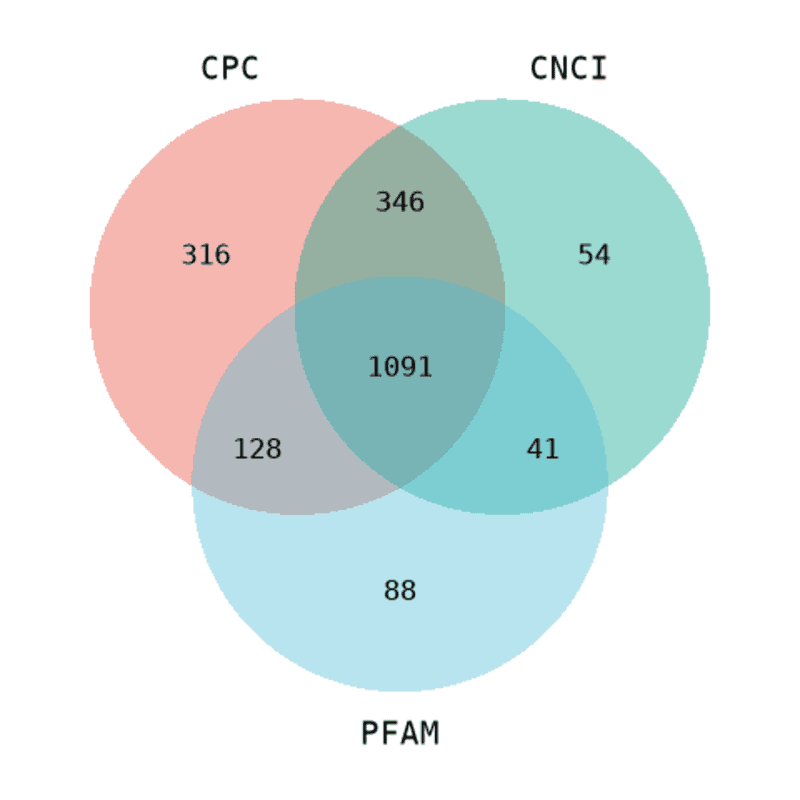
Coding Potential Filtering

Coding potential analysis is used to determine whether a transcript is likely to encode a protein. Tools such as CPC, CNCI, and PFAM are applied to evaluate coding likelihood, and transcripts predicted as non-coding across multiple methods are classified as lncRNAs.

Image
Image
1/1
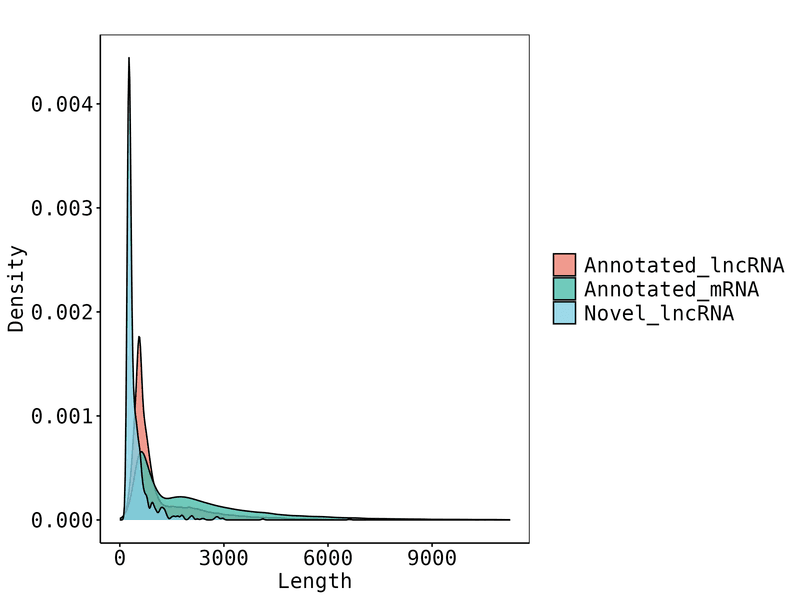
Feature Comparison of lncRNA and mRNA

Transcript features—including transcript length, exon count, and open reading frame (ORF) length—are compared between lncRNAs and mRNAs to highlight characteristic differences between the two RNA classes.

Image
Image
1/1
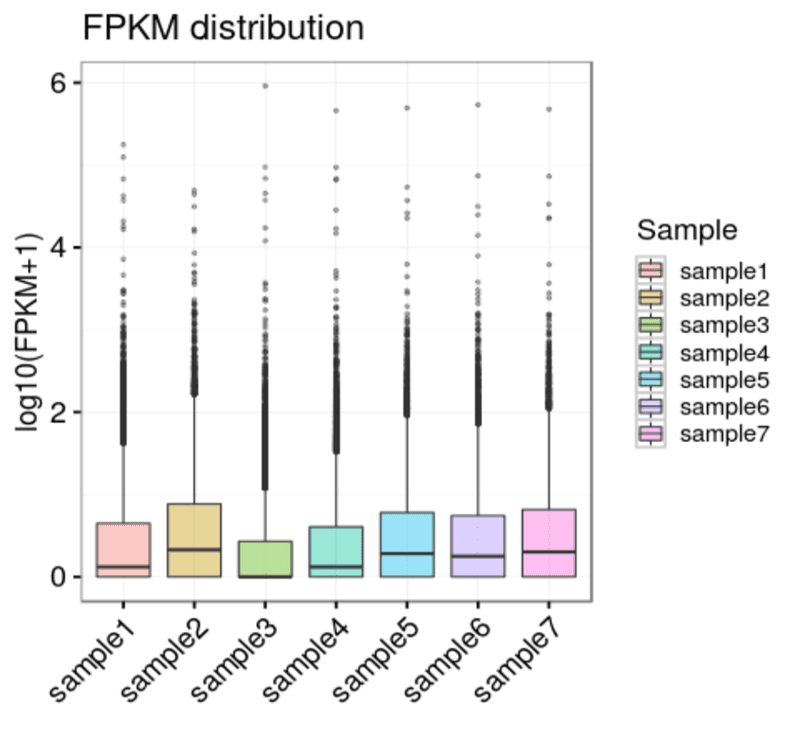
Distribution of Expression Levels

Expression distributions are visualized using log10(FPKM + 1). The x-axis represents sample names, and the y-axis displays the transformed expression values.

Image
Image
1/1
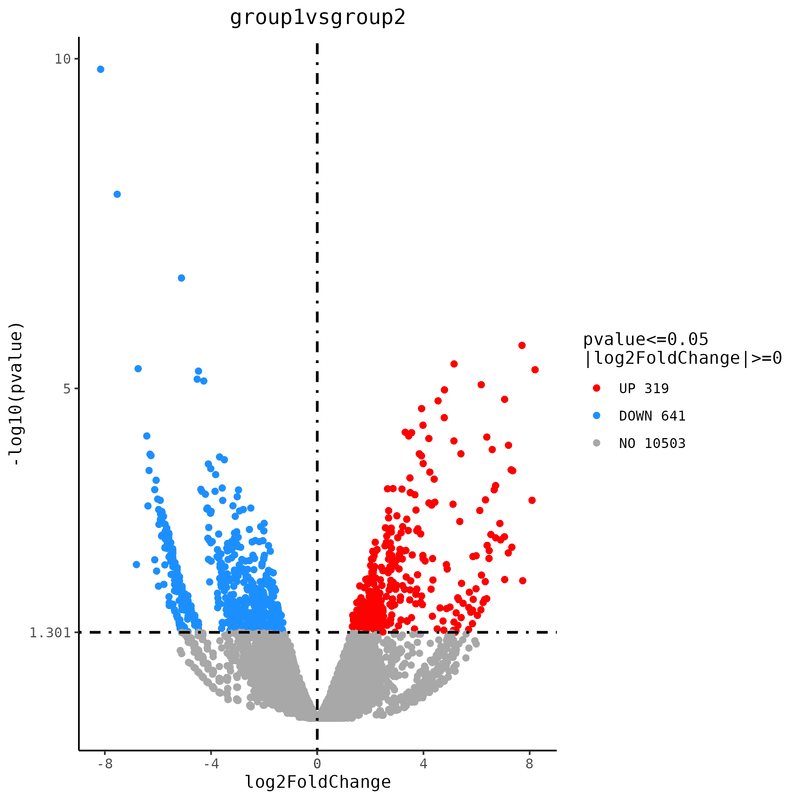
Volcano Plot of Differential Genes

The volcano plot illustrates differential gene expression, with the x-axis showing fold change between groups and the y-axis indicating statistical significance (e.g., –log10 p-value).

Image
Image
1/1
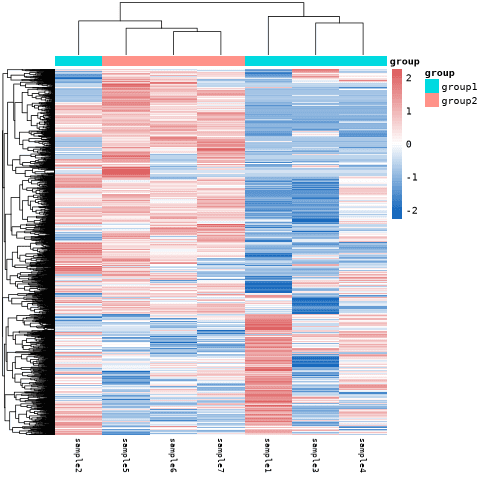
Heatmap of Differentially Expressed Genes

Hierarchical clustering is performed on normalized FPKM values to group genes or samples with similar expression patterns. The resulting heatmap visually clusters expression profiles into biologically meaningful groups.

Image
Image
1/1
Coding Potential Filtering

Coding potential analysis is used to determine whether a transcript is likely to encode a protein. Tools such as CPC, CNCI, and PFAM are applied to evaluate coding likelihood, and transcripts predicted as non-coding across multiple methods are classified as lncRNAs.

Image
Image
1/1
Feature Comparison of lncRNA and mRNA

Transcript features—including transcript length, exon count, and open reading frame (ORF) length—are compared between lncRNAs and mRNAs to highlight characteristic differences between the two RNA classes.

Image
Image
1/1
Distribution of Expression Levels

Expression distributions are visualized using log10(FPKM + 1). The x-axis represents sample names, and the y-axis displays the transformed expression values.

Image
Image
1/1
Volcano Plot of Differential Genes

The volcano plot illustrates differential gene expression, with the x-axis showing fold change between groups and the y-axis indicating statistical significance (e.g., –log10 p-value).

Image
Image
1/1
Heatmap of Differentially Expressed Genes

Hierarchical clustering is performed on normalized FPKM values to group genes or samples with similar expression patterns. The resulting heatmap visually clusters expression profiles into biologically meaningful groups.

Resources

Image
Image
1/1
Coding Potential Filtering

Coding potential analysis is used to determine whether a transcript is likely to encode a protein. Tools such as CPC, CNCI, and PFAM are applied to evaluate coding likelihood, and transcripts predicted as non-coding across multiple methods are classified as lncRNAs.

Image
Image
1/1
Feature Comparison of lncRNA and mRNA

Transcript features—including transcript length, exon count, and open reading frame (ORF) length—are compared between lncRNAs and mRNAs to highlight characteristic differences between the two RNA classes.

Image
Image
1/1
Distribution of Expression Levels

Expression distributions are visualized using log10(FPKM + 1). The x-axis represents sample names, and the y-axis displays the transformed expression values.

Image
Image
1/1
Volcano Plot of Differential Genes

The volcano plot illustrates differential gene expression, with the x-axis showing fold change between groups and the y-axis indicating statistical significance (e.g., –log10 p-value).

Image
Image
1/1
Heatmap of Differentially Expressed Genes

Hierarchical clustering is performed on normalized FPKM values to group genes or samples with similar expression patterns. The resulting heatmap visually clusters expression profiles into biologically meaningful groups.

Image
Image
1/1
Coding Potential Filtering

Coding potential analysis is used to determine whether a transcript is likely to encode a protein. Tools such as CPC, CNCI, and PFAM are applied to evaluate coding likelihood, and transcripts predicted as non-coding across multiple methods are classified as lncRNAs.

Image
Image
1/1
Feature Comparison of lncRNA and mRNA

Transcript features—including transcript length, exon count, and open reading frame (ORF) length—are compared between lncRNAs and mRNAs to highlight characteristic differences between the two RNA classes.

Image
Image
1/1
Distribution of Expression Levels

Expression distributions are visualized using log10(FPKM + 1). The x-axis represents sample names, and the y-axis displays the transformed expression values.

Image
Image
1/1
Volcano Plot of Differential Genes

The volcano plot illustrates differential gene expression, with the x-axis showing fold change between groups and the y-axis indicating statistical significance (e.g., –log10 p-value).

Image
Image
1/1
Heatmap of Differentially Expressed Genes

Hierarchical clustering is performed on normalized FPKM values to group genes or samples with similar expression patterns. The resulting heatmap visually clusters expression profiles into biologically meaningful groups.

Frequently Asked Questions

What types of RNA are captured in Total RNA-seq?

Total RNA-seq profiles both coding and non-coding RNA, including mRNAs, lncRNAs, and other regulatory transcripts. Because the workflow uses rRNA depletion, it enriches all transcript types—not just polyadenylated RNAs—providing a more complete view of the transcriptome.

What sample types are accepted?

How much RNA is required?

What sequencing strategy does Novogene use?

Why use rRNA depletion instead of poly(A) selection?

Can Total RNA-seq identify novel lncRNAs?

What downstream analyses are included?

Does Total RNA-seq support regulatory network analysis?

How is data delivered?

Can Total RNA-seq analyze low-input or degraded samples?

More Services

Full-Length Transcriptome Sequencing
(Full-Length Transcriptome Sequencing)
Full-Length Transcriptome Sequencing
(Full-Length Transcriptome Sequencing)
Metatranscriptome Sequencing
(Metatranscriptome Sequencing)
Metatranscriptome Sequencing
(Metatranscriptome Sequencing)
mRNA Sequencing
(mRNA Sequencing)
mRNA Sequencing
(mRNA Sequencing)
Prokaryotic RNA Sequencing
(Prokaryotic RNA Sequencing)
Prokaryotic RNA Sequencing
(Prokaryotic RNA Sequencing)
Small RNA Sequencing
(Small RNA Sequencing)
Small RNA Sequencing
(Small RNA Sequencing)
Whole Transcriptome Sequencing
(Whole Transcriptome Sequencing)
Whole Transcriptome Sequencing
(Whole Transcriptome Sequencing)

More Services

Full-Length Transcriptome Sequencing
(Full-Length Transcriptome Sequencing)
Full-Length Transcriptome Sequencing
(Full-Length Transcriptome Sequencing)
Metatranscriptome Sequencing
(Metatranscriptome Sequencing)
Metatranscriptome Sequencing
(Metatranscriptome Sequencing)
mRNA Sequencing
(mRNA Sequencing)
mRNA Sequencing
(mRNA Sequencing)
Prokaryotic RNA Sequencing
(Prokaryotic RNA Sequencing)
Prokaryotic RNA Sequencing
(Prokaryotic RNA Sequencing)
Small RNA Sequencing
(Small RNA Sequencing)
Small RNA Sequencing
(Small RNA Sequencing)
Whole Transcriptome Sequencing
(Whole Transcriptome Sequencing)
Whole Transcriptome Sequencing
(Whole Transcriptome Sequencing)
Background
Background

Ready to start your project?

Our platform offers tailored solutions for your unique experimental needs, ensuring a seamless experience from project design to data delivery.


Your Privacy ChoicesPrivacy PolicyCookie PolicyCareers
banner laptop bg
banner mobile bg

Total RNA Sequencing

Comprehensive transcriptome profiling of coding and noncoding RNAs to reveal gene expression patterns and transcriptomic complexity.
OverviewOverview
BenefitsBenefits
ApplicationsApplications
SpecificationsSpecifications
ResourcesResources

Total RNA sequencing (Total RNA-seq) provides a comprehensive view of the transcriptome by capturing both coding and non-coding RNAs, including lncRNAs, mRNAs, and other regulatory RNA species. Using an rRNA depletion strategy, this approach removes ribosomal RNA to enrich informative transcript types, enabling accurate detection of low-abundance and regulatory RNAs that are often missed by poly(A)-based methods.


Novogene’s Total RNA-seq workflow employs a refined library preparation process that enhances transcript diversity and delivers sensitive, strand-specific gene expression profiling. Through our integrated bioinformatics pipeline, researchers can explore transcript structure, quantify expression, and analyze regulatory relationships between lncRNAs and their target mRNAs—all within a single sequencing run. This enables in-depth investigation of RNA function, regulatory mechanisms, and transcriptome-wide activity.

Benefits of Novogene Total RNA Sequencing

high-performance, High-accuracyhigh-performance, High-accuracy
high-performance, High-accuracy

Achieve high-throughput, high-accuracy transcriptome profiling with stringent quality standards (Q30 ≥ 85%) and low RNA input requirements—ideal for sensitive or precious samples.

high-performance, High-accuracy

Achieve high-throughput, high-accuracy transcriptome profiling with stringent quality standards (Q30 ≥ 85%) and low RNA input requirements—ideal for sensitive or precious samples.

Proven Expertise and Reliable Outcomes Proven Expertise and Reliable Outcomes
Proven Expertise and Reliable Outcomes

Benefit from Novogene’s extensive experience in thousands of RNA-seq projects, supporting high-impact publications and providing dependable, well-validated transcriptomic datasets.

Proven Expertise and Reliable Outcomes

Benefit from Novogene’s extensive experience in thousands of RNA-seq projects, supporting high-impact publications and providing dependable, well-validated transcriptomic datasets.

Comprehensive Total RNA AnalysisComprehensive Total RNA Analysis
Comprehensive Total RNA Analysis

Access a complete suite of analyses, including transcript identification, quantification, differential expression, and regulatory characterization of both coding and non-coding RNAs, including lncRNAs.

Comprehensive Total RNA Analysis

Access a complete suite of analyses, including transcript identification, quantification, differential expression, and regulatory characterization of both coding and non-coding RNAs, including lncRNAs.

Strand-specific, Regulatory Aware InsightsStrand-specific, Regulatory Aware Insights
Strand-specific, Regulatory Aware Insights

Enhanced library preparation and rRNA depletion enable sensitive detection of diverse transcripts. strand-specific data support accurate interpretation of lncRNA–mRNA regulatory relationships and functional RNA networks.

Strand-specific, Regulatory Aware Insights

Enhanced library preparation and rRNA depletion enable sensitive detection of diverse transcripts. strand-specific data support accurate interpretation of lncRNA–mRNA regulatory relationships and functional RNA networks.

Publication Ready Bioinformatics SupportPublication Ready Bioinformatics Support
Publication Ready Bioinformatics Support

Receive high quality, expertly curated results from Novogene’s bioinformatics team, including visualization, annotation, and analysis outputs tailored for publication, grant submission, or downstream validation.

Publication Ready Bioinformatics Support

Receive high quality, expertly curated results from Novogene’s bioinformatics team, including visualization, annotation, and analysis outputs tailored for publication, grant submission, or downstream validation.

Benefits of Novogene Total RNA Sequencing

high-performance, High-accuracyhigh-performance, High-accuracy
high-performance, High-accuracy

Achieve high-throughput, high-accuracy transcriptome profiling with stringent quality standards (Q30 ≥ 85%) and low RNA input requirements—ideal for sensitive or precious samples.

high-performance, High-accuracy

Achieve high-throughput, high-accuracy transcriptome profiling with stringent quality standards (Q30 ≥ 85%) and low RNA input requirements—ideal for sensitive or precious samples.

Proven Expertise and Reliable Outcomes Proven Expertise and Reliable Outcomes
Proven Expertise and Reliable Outcomes

Benefit from Novogene’s extensive experience in thousands of RNA-seq projects, supporting high-impact publications and providing dependable, well-validated transcriptomic datasets.

Proven Expertise and Reliable Outcomes

Benefit from Novogene’s extensive experience in thousands of RNA-seq projects, supporting high-impact publications and providing dependable, well-validated transcriptomic datasets.

Comprehensive Total RNA AnalysisComprehensive Total RNA Analysis
Comprehensive Total RNA Analysis

Access a complete suite of analyses, including transcript identification, quantification, differential expression, and regulatory characterization of both coding and non-coding RNAs, including lncRNAs.

Comprehensive Total RNA Analysis

Access a complete suite of analyses, including transcript identification, quantification, differential expression, and regulatory characterization of both coding and non-coding RNAs, including lncRNAs.

Strand-specific, Regulatory Aware InsightsStrand-specific, Regulatory Aware Insights
Strand-specific, Regulatory Aware Insights

Enhanced library preparation and rRNA depletion enable sensitive detection of diverse transcripts. strand-specific data support accurate interpretation of lncRNA–mRNA regulatory relationships and functional RNA networks.

Strand-specific, Regulatory Aware Insights

Enhanced library preparation and rRNA depletion enable sensitive detection of diverse transcripts. strand-specific data support accurate interpretation of lncRNA–mRNA regulatory relationships and functional RNA networks.

Publication Ready Bioinformatics SupportPublication Ready Bioinformatics Support
Publication Ready Bioinformatics Support

Receive high quality, expertly curated results from Novogene’s bioinformatics team, including visualization, annotation, and analysis outputs tailored for publication, grant submission, or downstream validation.

Publication Ready Bioinformatics Support

Receive high quality, expertly curated results from Novogene’s bioinformatics team, including visualization, annotation, and analysis outputs tailored for publication, grant submission, or downstream validation.

Applications of Total RNA‑seq

Total RNA sequencing (Total RNA‑seq) provides a broad, unbiased view of the transcriptome by capturing both coding and non‑coding RNAs, including lncRNAs, mRNAs, and other regulatory RNA species. This enables wide‑ranging applications in research, disease discovery, and functional genomics.

In‑Depth Transcriptome Exploration

Profile known and novel transcripts, quantify expression changes, and detect RNA variations across the entire transcriptome—supporting comprehensive discovery and characterization.

In‑Depth Transcriptome Exploration

Profile known and novel transcripts, quantify expression changes, and detect RNA variations across the entire transcriptome—supporting comprehensive discovery and characterization.

Novel Biological Insight & Biomarker Discovery

Reveal disease‑associated expression patterns and identify candidate biomarkers for cancer, neurological disorders, metabolic diseases, and other conditions through integrated mRNA and lncRNA analysis.

Novel Biological Insight & Biomarker Discovery

Reveal disease‑associated expression patterns and identify candidate biomarkers for cancer, neurological disorders, metabolic diseases, and other conditions through integrated mRNA and lncRNA analysis.

Target Prediction & Functional Interaction Analysis

Predict RNA–RNA and RNA–gene interactions to uncover regulatory targets, downstream pathways, and functional roles of coding and non‑coding RNAs.

Target Prediction & Functional Interaction Analysis

Predict RNA–RNA and RNA–gene interactions to uncover regulatory targets, downstream pathways, and functional roles of coding and non‑coding RNAs.

Regulatory Network Characterization

Investigate lncRNA–mRNA regulatory relationships and broader gene expression networks to understand molecular mechanisms underlying development, stress response, and disease progression.

Regulatory Network Characterization

Investigate lncRNA–mRNA regulatory relationships and broader gene expression networks to understand molecular mechanisms underlying development, stress response, and disease progression.

Applications of Total RNA‑seq

Total RNA sequencing (Total RNA‑seq) provides a broad, unbiased view of the transcriptome by capturing both coding and non‑coding RNAs, including lncRNAs, mRNAs, and other regulatory RNA species. This enables wide‑ranging applications in research, disease discovery, and functional genomics.

In‑Depth Transcriptome Exploration

Profile known and novel transcripts, quantify expression changes, and detect RNA variations across the entire transcriptome—supporting comprehensive discovery and characterization.

In‑Depth Transcriptome Exploration

Profile known and novel transcripts, quantify expression changes, and detect RNA variations across the entire transcriptome—supporting comprehensive discovery and characterization.

Novel Biological Insight & Biomarker Discovery

Reveal disease‑associated expression patterns and identify candidate biomarkers for cancer, neurological disorders, metabolic diseases, and other conditions through integrated mRNA and lncRNA analysis.

Novel Biological Insight & Biomarker Discovery

Reveal disease‑associated expression patterns and identify candidate biomarkers for cancer, neurological disorders, metabolic diseases, and other conditions through integrated mRNA and lncRNA analysis.

Target Prediction & Functional Interaction Analysis

Predict RNA–RNA and RNA–gene interactions to uncover regulatory targets, downstream pathways, and functional roles of coding and non‑coding RNAs.

Target Prediction & Functional Interaction Analysis

Predict RNA–RNA and RNA–gene interactions to uncover regulatory targets, downstream pathways, and functional roles of coding and non‑coding RNAs.

Regulatory Network Characterization

Investigate lncRNA–mRNA regulatory relationships and broader gene expression networks to understand molecular mechanisms underlying development, stress response, and disease progression.

Regulatory Network Characterization

Investigate lncRNA–mRNA regulatory relationships and broader gene expression networks to understand molecular mechanisms underlying development, stress response, and disease progression.

Specifications

Sample Requirements

Sample amounts are listed for reference only. Download the Sample Submission Guidelines to learn more. For detailed information, please contact us with your customized requests.

Library Type (All workflows use rRNA‑depletion)Sample TypeAmountRNA Integrity NumberPurity (NanoDrop)
lncRNA LibraryTotal RNA≥ 300 ngRIN ≥ 5.5, smooth baselineOD260/280≥ 2.0; 0D260/230≥ 2.0;
no degradation, no contamination
Total RNA (human, mouse, rat)≥ 25 ngRIN ≥ 5.5, flat baseline
Total RNA (blood; human, mouse, rat)≥ 120 ngRIN ≥ 5.5, flat baseline
Exosomal lncRNA LibraryExosomal RNA≥ 5 ngFragment size 25–200 nt, FU* > 10
Dual RNA LibraryTotal RNA≥ 1 µgRIN ≥ 6.5, flat baseline

Sample Requirements

Sample amounts are listed for reference only. Download the Sample Submission Guidelines to learn more. For detailed information, please contact us with your customized requests.

Library Type (All workflows use rRNA‑depletion)Sample TypeAmountRNA Integrity NumberPurity (NanoDrop)
lncRNA LibraryTotal RNA≥ 300 ngRIN ≥ 5.5, smooth baselineOD260/280≥ 2.0; 0D260/230≥ 2.0;
no degradation, no contamination
Total RNA (human, mouse, rat)≥ 25 ngRIN ≥ 5.5, flat baseline
Total RNA (blood; human, mouse, rat)≥ 120 ngRIN ≥ 5.5, flat baseline
Exosomal lncRNA LibraryExosomal RNA≥ 5 ngFragment size 25–200 nt, FU* > 10
Dual RNA LibraryTotal RNA≥ 1 µgRIN ≥ 6.5, flat baseline

Sample Requirements

Sample amounts are listed for reference only. Download the Sample Submission Guidelines to learn more. For detailed information, please contact us with your customized requests.

Library Type (All workflows use rRNA‑depletion)Sample TypeAmountRNA Integrity NumberPurity (NanoDrop)
lncRNA LibraryTotal RNA≥ 300 ngRIN ≥ 5.5, smooth baselineOD260/280≥ 2.0; 0D260/230≥ 2.0;
no degradation, no contamination
Total RNA (human, mouse, rat)≥ 25 ngRIN ≥ 5.5, flat baseline
Total RNA (blood; human, mouse, rat)≥ 120 ngRIN ≥ 5.5, flat baseline
Exosomal lncRNA LibraryExosomal RNA≥ 5 ngFragment size 25–200 nt, FU* > 10
Dual RNA LibraryTotal RNA≥ 1 µgRIN ≥ 6.5, flat baseline

Sample Requirements

Sample amounts are listed for reference only. Download the Sample Submission Guidelines to learn more. For detailed information, please contact us with your customized requests.

Library Type (All workflows use rRNA‑depletion)Sample TypeAmountRNA Integrity NumberPurity (NanoDrop)
lncRNA LibraryTotal RNA≥ 300 ngRIN ≥ 5.5, smooth baselineOD260/280≥ 2.0; 0D260/230≥ 2.0;
no degradation, no contamination
Total RNA (human, mouse, rat)≥ 25 ngRIN ≥ 5.5, flat baseline
Total RNA (blood; human, mouse, rat)≥ 120 ngRIN ≥ 5.5, flat baseline
Exosomal lncRNA LibraryExosomal RNA≥ 5 ngFragment size 25–200 nt, FU* > 10
Dual RNA LibraryTotal RNA≥ 1 µgRIN ≥ 6.5, flat baseline

Sequencing and Analysis

Recommended data outputs and analysis contents displayed are for reference only. For detailed information, please contact us with your customized requests.

Sequencing PlatformIllumina NovaSeq Plus
Recommended Data Output≥ 40 million read pairs per sample
Recommended Sequencing Depth≥ 40 million read pairs per sample for species with reference genome
Data qualityGuaranteed ≥ 85% bases with Q30 or higher
Standard Data Analysis• Data QC (adapter, ambiguous, and low‑quality read filtering)
• Read mapping & transcript prediction
• Alternative splicing quantification & differential AS (comparison groups)
• Structural transcript analysis
• lncRNA prediction
• Transcript expression quantification
• SNP/InDel detection & annotation
• Transcript assembly
• Correlation analysis (requires biological replicates)
• Differential expression analysis (comparison groups)
• lncRNA target prediction
• Candidate lncRNA filtering
• Co‑location & co‑expression analysis of lncRNA–mRNA pairs
• KEGG pathway enrichment
• Functional analysis of differentially expressed mRNAs/lncRNA targets
• Transcription factor annotation
• Protein–protein interaction (PPI) analysis
• Fusion gene detection (tumor/cancer samples only)

Project Workflow

Novogene’s Total RNA sequencing (Total RNA‑seq) workflow begins with sample preparation and quality control, followed by ribosomal RNA (rRNA) depletion to enrich informative transcripts. The remaining RNA is fragmented and converted into cDNA, after which strand‑specific (directional) libraries are prepared. Sequencing is carried out using a paired‑end 150 bp strategy on the Illumina platform. All data are processed through Novogene’s established bioinformatics pipeline, with custom analysis options available upon request.

Project Workflow

Sequencing and Analysis

Recommended data outputs and analysis contents displayed are for reference only. For detailed information, please contact us with your customized requests.

Sequencing PlatformIllumina NovaSeq Plus
Recommended Data Output≥ 40 million read pairs per sample
Recommended Sequencing Depth≥ 40 million read pairs per sample for species with reference genome
Data qualityGuaranteed ≥ 85% bases with Q30 or higher
Standard Data Analysis• Data QC (adapter, ambiguous, and low‑quality read filtering)
• Read mapping & transcript prediction
• Alternative splicing quantification & differential AS (comparison groups)
• Structural transcript analysis
• lncRNA prediction
• Transcript expression quantification
• SNP/InDel detection & annotation
• Transcript assembly
• Correlation analysis (requires biological replicates)
• Differential expression analysis (comparison groups)
• lncRNA target prediction
• Candidate lncRNA filtering
• Co‑location & co‑expression analysis of lncRNA–mRNA pairs
• KEGG pathway enrichment
• Functional analysis of differentially expressed mRNAs/lncRNA targets
• Transcription factor annotation
• Protein–protein interaction (PPI) analysis
• Fusion gene detection (tumor/cancer samples only)

Project Workflow

Novogene’s Total RNA sequencing (Total RNA‑seq) workflow begins with sample preparation and quality control, followed by ribosomal RNA (rRNA) depletion to enrich informative transcripts. The remaining RNA is fragmented and converted into cDNA, after which strand‑specific (directional) libraries are prepared. Sequencing is carried out using a paired‑end 150 bp strategy on the Illumina platform. All data are processed through Novogene’s established bioinformatics pipeline, with custom analysis options available upon request.

Project Workflow

Sequencing and Analysis

Recommended data outputs and analysis contents displayed are for reference only. For detailed information, please contact us with your customized requests.

Sequencing PlatformIllumina NovaSeq Plus
Recommended Data Output≥ 40 million read pairs per sample
Recommended Sequencing Depth≥ 40 million read pairs per sample for species with reference genome
Data qualityGuaranteed ≥ 85% bases with Q30 or higher
Standard Data Analysis• Data QC (adapter, ambiguous, and low‑quality read filtering)
• Read mapping & transcript prediction
• Alternative splicing quantification & differential AS (comparison groups)
• Structural transcript analysis
• lncRNA prediction
• Transcript expression quantification
• SNP/InDel detection & annotation
• Transcript assembly
• Correlation analysis (requires biological replicates)
• Differential expression analysis (comparison groups)
• lncRNA target prediction
• Candidate lncRNA filtering
• Co‑location & co‑expression analysis of lncRNA–mRNA pairs
• KEGG pathway enrichment
• Functional analysis of differentially expressed mRNAs/lncRNA targets
• Transcription factor annotation
• Protein–protein interaction (PPI) analysis
• Fusion gene detection (tumor/cancer samples only)

Project Workflow

Novogene’s Total RNA sequencing (Total RNA‑seq) workflow begins with sample preparation and quality control, followed by ribosomal RNA (rRNA) depletion to enrich informative transcripts. The remaining RNA is fragmented and converted into cDNA, after which strand‑specific (directional) libraries are prepared. Sequencing is carried out using a paired‑end 150 bp strategy on the Illumina platform. All data are processed through Novogene’s established bioinformatics pipeline, with custom analysis options available upon request.

Project Workflow

Sequencing and Analysis

Recommended data outputs and analysis contents displayed are for reference only. For detailed information, please contact us with your customized requests.

Sequencing PlatformIllumina NovaSeq Plus
Recommended Data Output≥ 40 million read pairs per sample
Recommended Sequencing Depth≥ 40 million read pairs per sample for species with reference genome
Data qualityGuaranteed ≥ 85% bases with Q30 or higher
Standard Data Analysis• Data QC (adapter, ambiguous, and low‑quality read filtering)
• Read mapping & transcript prediction
• Alternative splicing quantification & differential AS (comparison groups)
• Structural transcript analysis
• lncRNA prediction
• Transcript expression quantification
• SNP/InDel detection & annotation
• Transcript assembly
• Correlation analysis (requires biological replicates)
• Differential expression analysis (comparison groups)
• lncRNA target prediction
• Candidate lncRNA filtering
• Co‑location & co‑expression analysis of lncRNA–mRNA pairs
• KEGG pathway enrichment
• Functional analysis of differentially expressed mRNAs/lncRNA targets
• Transcription factor annotation
• Protein–protein interaction (PPI) analysis
• Fusion gene detection (tumor/cancer samples only)

Project Workflow

Novogene’s Total RNA sequencing (Total RNA‑seq) workflow begins with sample preparation and quality control, followed by ribosomal RNA (rRNA) depletion to enrich informative transcripts. The remaining RNA is fragmented and converted into cDNA, after which strand‑specific (directional) libraries are prepared. Sequencing is carried out using a paired‑end 150 bp strategy on the Illumina platform. All data are processed through Novogene’s established bioinformatics pipeline, with custom analysis options available upon request.

Project Workflow

Specifications

Sample Requirements

Sample amounts are listed for reference only. Download the Sample Submission Guidelines to learn more. For detailed information, please contact us with your customized requests.

Library Type (All workflows use rRNA‑depletion)Sample TypeAmountRNA Integrity NumberPurity (NanoDrop)
lncRNA LibraryTotal RNA≥ 300 ngRIN ≥ 5.5, smooth baselineOD260/280≥ 2.0; 0D260/230≥ 2.0;
no degradation, no contamination
Total RNA (human, mouse, rat)≥ 25 ngRIN ≥ 5.5, flat baseline
Total RNA (blood; human, mouse, rat)≥ 120 ngRIN ≥ 5.5, flat baseline
Exosomal lncRNA LibraryExosomal RNA≥ 5 ngFragment size 25–200 nt, FU* > 10
Dual RNA LibraryTotal RNA≥ 1 µgRIN ≥ 6.5, flat baseline

Sample Requirements

Sample amounts are listed for reference only. Download the Sample Submission Guidelines to learn more. For detailed information, please contact us with your customized requests.

Library Type (All workflows use rRNA‑depletion)Sample TypeAmountRNA Integrity NumberPurity (NanoDrop)
lncRNA LibraryTotal RNA≥ 300 ngRIN ≥ 5.5, smooth baselineOD260/280≥ 2.0; 0D260/230≥ 2.0;
no degradation, no contamination
Total RNA (human, mouse, rat)≥ 25 ngRIN ≥ 5.5, flat baseline
Total RNA (blood; human, mouse, rat)≥ 120 ngRIN ≥ 5.5, flat baseline
Exosomal lncRNA LibraryExosomal RNA≥ 5 ngFragment size 25–200 nt, FU* > 10
Dual RNA LibraryTotal RNA≥ 1 µgRIN ≥ 6.5, flat baseline

Sample Requirements

Sample amounts are listed for reference only. Download the Sample Submission Guidelines to learn more. For detailed information, please contact us with your customized requests.

Library Type (All workflows use rRNA‑depletion)Sample TypeAmountRNA Integrity NumberPurity (NanoDrop)
lncRNA LibraryTotal RNA≥ 300 ngRIN ≥ 5.5, smooth baselineOD260/280≥ 2.0; 0D260/230≥ 2.0;
no degradation, no contamination
Total RNA (human, mouse, rat)≥ 25 ngRIN ≥ 5.5, flat baseline
Total RNA (blood; human, mouse, rat)≥ 120 ngRIN ≥ 5.5, flat baseline
Exosomal lncRNA LibraryExosomal RNA≥ 5 ngFragment size 25–200 nt, FU* > 10
Dual RNA LibraryTotal RNA≥ 1 µgRIN ≥ 6.5, flat baseline

Sample Requirements

Sample amounts are listed for reference only. Download the Sample Submission Guidelines to learn more. For detailed information, please contact us with your customized requests.

Library Type (All workflows use rRNA‑depletion)Sample TypeAmountRNA Integrity NumberPurity (NanoDrop)
lncRNA LibraryTotal RNA≥ 300 ngRIN ≥ 5.5, smooth baselineOD260/280≥ 2.0; 0D260/230≥ 2.0;
no degradation, no contamination
Total RNA (human, mouse, rat)≥ 25 ngRIN ≥ 5.5, flat baseline
Total RNA (blood; human, mouse, rat)≥ 120 ngRIN ≥ 5.5, flat baseline
Exosomal lncRNA LibraryExosomal RNA≥ 5 ngFragment size 25–200 nt, FU* > 10
Dual RNA LibraryTotal RNA≥ 1 µgRIN ≥ 6.5, flat baseline

Sequencing and Analysis

Recommended data outputs and analysis contents displayed are for reference only. For detailed information, please contact us with your customized requests.

Sequencing PlatformIllumina NovaSeq Plus
Recommended Data Output≥ 40 million read pairs per sample
Recommended Sequencing Depth≥ 40 million read pairs per sample for species with reference genome
Data qualityGuaranteed ≥ 85% bases with Q30 or higher
Standard Data Analysis• Data QC (adapter, ambiguous, and low‑quality read filtering)
• Read mapping & transcript prediction
• Alternative splicing quantification & differential AS (comparison groups)
• Structural transcript analysis
• lncRNA prediction
• Transcript expression quantification
• SNP/InDel detection & annotation
• Transcript assembly
• Correlation analysis (requires biological replicates)
• Differential expression analysis (comparison groups)
• lncRNA target prediction
• Candidate lncRNA filtering
• Co‑location & co‑expression analysis of lncRNA–mRNA pairs
• KEGG pathway enrichment
• Functional analysis of differentially expressed mRNAs/lncRNA targets
• Transcription factor annotation
• Protein–protein interaction (PPI) analysis
• Fusion gene detection (tumor/cancer samples only)

Project Workflow

Novogene’s Total RNA sequencing (Total RNA‑seq) workflow begins with sample preparation and quality control, followed by ribosomal RNA (rRNA) depletion to enrich informative transcripts. The remaining RNA is fragmented and converted into cDNA, after which strand‑specific (directional) libraries are prepared. Sequencing is carried out using a paired‑end 150 bp strategy on the Illumina platform. All data are processed through Novogene’s established bioinformatics pipeline, with custom analysis options available upon request.

Project Workflow

Sequencing and Analysis

Recommended data outputs and analysis contents displayed are for reference only. For detailed information, please contact us with your customized requests.

Sequencing PlatformIllumina NovaSeq Plus
Recommended Data Output≥ 40 million read pairs per sample
Recommended Sequencing Depth≥ 40 million read pairs per sample for species with reference genome
Data qualityGuaranteed ≥ 85% bases with Q30 or higher
Standard Data Analysis• Data QC (adapter, ambiguous, and low‑quality read filtering)
• Read mapping & transcript prediction
• Alternative splicing quantification & differential AS (comparison groups)
• Structural transcript analysis
• lncRNA prediction
• Transcript expression quantification
• SNP/InDel detection & annotation
• Transcript assembly
• Correlation analysis (requires biological replicates)
• Differential expression analysis (comparison groups)
• lncRNA target prediction
• Candidate lncRNA filtering
• Co‑location & co‑expression analysis of lncRNA–mRNA pairs
• KEGG pathway enrichment
• Functional analysis of differentially expressed mRNAs/lncRNA targets
• Transcription factor annotation
• Protein–protein interaction (PPI) analysis
• Fusion gene detection (tumor/cancer samples only)

Project Workflow

Novogene’s Total RNA sequencing (Total RNA‑seq) workflow begins with sample preparation and quality control, followed by ribosomal RNA (rRNA) depletion to enrich informative transcripts. The remaining RNA is fragmented and converted into cDNA, after which strand‑specific (directional) libraries are prepared. Sequencing is carried out using a paired‑end 150 bp strategy on the Illumina platform. All data are processed through Novogene’s established bioinformatics pipeline, with custom analysis options available upon request.

Project Workflow

Sequencing and Analysis

Recommended data outputs and analysis contents displayed are for reference only. For detailed information, please contact us with your customized requests.

Sequencing PlatformIllumina NovaSeq Plus
Recommended Data Output≥ 40 million read pairs per sample
Recommended Sequencing Depth≥ 40 million read pairs per sample for species with reference genome
Data qualityGuaranteed ≥ 85% bases with Q30 or higher
Standard Data Analysis• Data QC (adapter, ambiguous, and low‑quality read filtering)
• Read mapping & transcript prediction
• Alternative splicing quantification & differential AS (comparison groups)
• Structural transcript analysis
• lncRNA prediction
• Transcript expression quantification
• SNP/InDel detection & annotation
• Transcript assembly
• Correlation analysis (requires biological replicates)
• Differential expression analysis (comparison groups)
• lncRNA target prediction
• Candidate lncRNA filtering
• Co‑location & co‑expression analysis of lncRNA–mRNA pairs
• KEGG pathway enrichment
• Functional analysis of differentially expressed mRNAs/lncRNA targets
• Transcription factor annotation
• Protein–protein interaction (PPI) analysis
• Fusion gene detection (tumor/cancer samples only)

Project Workflow

Novogene’s Total RNA sequencing (Total RNA‑seq) workflow begins with sample preparation and quality control, followed by ribosomal RNA (rRNA) depletion to enrich informative transcripts. The remaining RNA is fragmented and converted into cDNA, after which strand‑specific (directional) libraries are prepared. Sequencing is carried out using a paired‑end 150 bp strategy on the Illumina platform. All data are processed through Novogene’s established bioinformatics pipeline, with custom analysis options available upon request.

Project Workflow

Sequencing and Analysis

Recommended data outputs and analysis contents displayed are for reference only. For detailed information, please contact us with your customized requests.

Sequencing PlatformIllumina NovaSeq Plus
Recommended Data Output≥ 40 million read pairs per sample
Recommended Sequencing Depth≥ 40 million read pairs per sample for species with reference genome
Data qualityGuaranteed ≥ 85% bases with Q30 or higher
Standard Data Analysis• Data QC (adapter, ambiguous, and low‑quality read filtering)
• Read mapping & transcript prediction
• Alternative splicing quantification & differential AS (comparison groups)
• Structural transcript analysis
• lncRNA prediction
• Transcript expression quantification
• SNP/InDel detection & annotation
• Transcript assembly
• Correlation analysis (requires biological replicates)
• Differential expression analysis (comparison groups)
• lncRNA target prediction
• Candidate lncRNA filtering
• Co‑location & co‑expression analysis of lncRNA–mRNA pairs
• KEGG pathway enrichment
• Functional analysis of differentially expressed mRNAs/lncRNA targets
• Transcription factor annotation
• Protein–protein interaction (PPI) analysis
• Fusion gene detection (tumor/cancer samples only)

Project Workflow

Novogene’s Total RNA sequencing (Total RNA‑seq) workflow begins with sample preparation and quality control, followed by ribosomal RNA (rRNA) depletion to enrich informative transcripts. The remaining RNA is fragmented and converted into cDNA, after which strand‑specific (directional) libraries are prepared. Sequencing is carried out using a paired‑end 150 bp strategy on the Illumina platform. All data are processed through Novogene’s established bioinformatics pipeline, with custom analysis options available upon request.

Project Workflow

Resources

Image
Image
1/1
Coding Potential Filtering

Coding potential analysis is used to determine whether a transcript is likely to encode a protein. Tools such as CPC, CNCI, and PFAM are applied to evaluate coding likelihood, and transcripts predicted as non-coding across multiple methods are classified as lncRNAs.

Image
Image
1/1
Feature Comparison of lncRNA and mRNA

Transcript features—including transcript length, exon count, and open reading frame (ORF) length—are compared between lncRNAs and mRNAs to highlight characteristic differences between the two RNA classes.

Image
Image
1/1
Distribution of Expression Levels

Expression distributions are visualized using log10(FPKM + 1). The x-axis represents sample names, and the y-axis displays the transformed expression values.

Image
Image
1/1
Volcano Plot of Differential Genes

The volcano plot illustrates differential gene expression, with the x-axis showing fold change between groups and the y-axis indicating statistical significance (e.g., –log10 p-value).

Image
Image
1/1
Heatmap of Differentially Expressed Genes

Hierarchical clustering is performed on normalized FPKM values to group genes or samples with similar expression patterns. The resulting heatmap visually clusters expression profiles into biologically meaningful groups.

Image
Image
1/1
Coding Potential Filtering

Coding potential analysis is used to determine whether a transcript is likely to encode a protein. Tools such as CPC, CNCI, and PFAM are applied to evaluate coding likelihood, and transcripts predicted as non-coding across multiple methods are classified as lncRNAs.

Image
Image
1/1
Feature Comparison of lncRNA and mRNA

Transcript features—including transcript length, exon count, and open reading frame (ORF) length—are compared between lncRNAs and mRNAs to highlight characteristic differences between the two RNA classes.

Image
Image
1/1
Distribution of Expression Levels

Expression distributions are visualized using log10(FPKM + 1). The x-axis represents sample names, and the y-axis displays the transformed expression values.

Image
Image
1/1
Volcano Plot of Differential Genes

The volcano plot illustrates differential gene expression, with the x-axis showing fold change between groups and the y-axis indicating statistical significance (e.g., –log10 p-value).

Image
Image
1/1
Heatmap of Differentially Expressed Genes

Hierarchical clustering is performed on normalized FPKM values to group genes or samples with similar expression patterns. The resulting heatmap visually clusters expression profiles into biologically meaningful groups.

Resources

Image
Image
1/1
Coding Potential Filtering

Coding potential analysis is used to determine whether a transcript is likely to encode a protein. Tools such as CPC, CNCI, and PFAM are applied to evaluate coding likelihood, and transcripts predicted as non-coding across multiple methods are classified as lncRNAs.

Image
Image
1/1
Feature Comparison of lncRNA and mRNA

Transcript features—including transcript length, exon count, and open reading frame (ORF) length—are compared between lncRNAs and mRNAs to highlight characteristic differences between the two RNA classes.

Image
Image
1/1
Distribution of Expression Levels

Expression distributions are visualized using log10(FPKM + 1). The x-axis represents sample names, and the y-axis displays the transformed expression values.

Image
Image
1/1
Volcano Plot of Differential Genes

The volcano plot illustrates differential gene expression, with the x-axis showing fold change between groups and the y-axis indicating statistical significance (e.g., –log10 p-value).

Image
Image
1/1
Heatmap of Differentially Expressed Genes

Hierarchical clustering is performed on normalized FPKM values to group genes or samples with similar expression patterns. The resulting heatmap visually clusters expression profiles into biologically meaningful groups.

Image
Image
1/1
Coding Potential Filtering

Coding potential analysis is used to determine whether a transcript is likely to encode a protein. Tools such as CPC, CNCI, and PFAM are applied to evaluate coding likelihood, and transcripts predicted as non-coding across multiple methods are classified as lncRNAs.

Image
Image
1/1
Feature Comparison of lncRNA and mRNA

Transcript features—including transcript length, exon count, and open reading frame (ORF) length—are compared between lncRNAs and mRNAs to highlight characteristic differences between the two RNA classes.

Image
Image
1/1
Distribution of Expression Levels

Expression distributions are visualized using log10(FPKM + 1). The x-axis represents sample names, and the y-axis displays the transformed expression values.

Image
Image
1/1
Volcano Plot of Differential Genes

The volcano plot illustrates differential gene expression, with the x-axis showing fold change between groups and the y-axis indicating statistical significance (e.g., –log10 p-value).

Image
Image
1/1
Heatmap of Differentially Expressed Genes

Hierarchical clustering is performed on normalized FPKM values to group genes or samples with similar expression patterns. The resulting heatmap visually clusters expression profiles into biologically meaningful groups.

Frequently Asked Questions

What types of RNA are captured in Total RNA-seq?

Total RNA-seq profiles both coding and non-coding RNA, including mRNAs, lncRNAs, and other regulatory transcripts. Because the workflow uses rRNA depletion, it enriches all transcript types—not just polyadenylated RNAs—providing a more complete view of the transcriptome.

What sample types are accepted?

How much RNA is required?

What sequencing strategy does Novogene use?

Why use rRNA depletion instead of poly(A) selection?

Can Total RNA-seq identify novel lncRNAs?

What downstream analyses are included?

Does Total RNA-seq support regulatory network analysis?

How is data delivered?

Can Total RNA-seq analyze low-input or degraded samples?

More Services

Full-Length Transcriptome Sequencing
(Full-Length Transcriptome Sequencing)
Full-Length Transcriptome Sequencing
(Full-Length Transcriptome Sequencing)
Metatranscriptome Sequencing
(Metatranscriptome Sequencing)
Metatranscriptome Sequencing
(Metatranscriptome Sequencing)
mRNA Sequencing
(mRNA Sequencing)
mRNA Sequencing
(mRNA Sequencing)
Prokaryotic RNA Sequencing
(Prokaryotic RNA Sequencing)
Prokaryotic RNA Sequencing
(Prokaryotic RNA Sequencing)
Small RNA Sequencing
(Small RNA Sequencing)
Small RNA Sequencing
(Small RNA Sequencing)
Whole Transcriptome Sequencing
(Whole Transcriptome Sequencing)
Whole Transcriptome Sequencing
(Whole Transcriptome Sequencing)

More Services

Full-Length Transcriptome Sequencing
(Full-Length Transcriptome Sequencing)
Full-Length Transcriptome Sequencing
(Full-Length Transcriptome Sequencing)
Metatranscriptome Sequencing
(Metatranscriptome Sequencing)
Metatranscriptome Sequencing
(Metatranscriptome Sequencing)
mRNA Sequencing
(mRNA Sequencing)
mRNA Sequencing
(mRNA Sequencing)
Prokaryotic RNA Sequencing
(Prokaryotic RNA Sequencing)
Prokaryotic RNA Sequencing
(Prokaryotic RNA Sequencing)
Small RNA Sequencing
(Small RNA Sequencing)
Small RNA Sequencing
(Small RNA Sequencing)
Whole Transcriptome Sequencing
(Whole Transcriptome Sequencing)
Whole Transcriptome Sequencing
(Whole Transcriptome Sequencing)
Background
Background

Ready to start your project?

Our platform offers tailored solutions for your unique experimental needs, ensuring a seamless experience from project design to data delivery.


Your Privacy ChoicesPrivacy PolicyCookie PolicyCareers