

• Cart
    • Quote
    • Inquiry
    • Cart
    • Quote
    • Inquiry
Novogene
  • Novogene
  • Genomics
    • Human Whole Genome Sequencing
    • Whole Exome Sequencing
    • Plant and Animal Whole Genome Sequencing
    • Plant and Animal De Novo Sequencing
    • Microbial Whole Genome Sequencing
    • Microbial De Novo Sequencing

    Metagenomics

    • Shotgun Metagenomics Sequencing
    • Amplicon Sequencing

    Transcriptomics

    • mRNA Sequencing
    • Swift & Express mRNA Sequencing New!
    • Full-Length Transcriptome Sequencing
    • Prokaryotic RNA Sequencing
    • Metatranscriptome Sequencing
    • Total RNA Sequencing
    • Small RNA Sequencing (sRNA‑seq)
    • Whole Transcriptome Sequencing

    Single Cell & Spatial Omics

    • 10x Single Cell Gene Expression
    • Illumina PIP-seq Single Cell 3’ RNA Sequencing New!
    • Spatial Transcriptomics Sequencing New!

    Epigenomics

    • Whole Genome Bisulfite Sequencing (WGBS)
    • Enzymatic Methylation Sequencing
    • Directed Methylation Sequencing (DM-Seq) New!
    • RNA Immunoprecipitation Sequencing (RIP-seq)
    • Chromatin Immunoprecipitation Sequencing (ChIP-seq)
    • Cleavage Under Targets & Tagmentation (CUT&Tag) New!
    • Assay for Transposase-Accessible Chromatin with Sequencing (ATAC-seq)
    • Reduced Representation Bisulfite Sequencing (RRBS)

    Proteomics

    • Quantitative Proteomics New!
    • PTM Proteomics New!
    • Olink Proteomics New!

    Metabolomics

    • Untargeted Metabolomics

    Premade Library

    • Sequencing Only on Illumina Sequencer
    • Sequencing Only on Ultima Sequencer
  • PromotionsPromotions
    • Platforms
    • Service & Support
    • Automated Delivery Platform (Falcon)
    • Bioinformatics Analysis Tool (NovoMagic)
    • Customer Service System (CSS)
    • Case Study
    • Blog
    • Webinar
    • Brochure
    • Cancer Research
    • Immuno-oncology
    • Agrigenomics
    • Environment
    • Food Science
    • Human Microbiome
    • Plant and Animal Microbiome
    • Drug Discovery and Development
    • Rare and Complex Diseases
    • About Us
    • Our Locations
    • News & Events
    • Careers
  • Contact UsContact Us
    • mRNA Sequencing
    • Illumina Lane Sequencing

ServicesServices menu

CompanyCompany menu

Contact UsContact Us menu

Service SupportService Support menu

Services
mRNA SequencingSwift & Express mRNA SequencingTotal RNA SequencingHuman Whole Genome SequencingWhole Exome Sequencing10x Single Cell Gene ExpressionIllumina PIP-seq Single Cell 3’ RNA SequencingSpatial Transcriptomics SequencingWhole Genome Bisulfite Sequencing (WGBS)Quantitative ProteomicsUntargeted MetabolomicsShotgun Metagenomics SequencingMetatranscriptome SequencingSequencing Only on Illumina SequencerSequencing Only on Ultima SequencerFull-Length Transcriptome SequencingChromatin Immunoprecipitation Sequencing (ChIP-seq)
Company
About UsOur LocationsNews & EventsCareers
Contact Us
Contact Us
Service Support
Automated Delivery Platform (Falcon)Bioinformatics Analysis Tool (NovoMagic)Customer Service System (CSS)
LinkedInLinkedIn hoverYouTubeYouTube hoverXX hoverMetaMeta hoverInstagramInstagram hover
Copyright © 2026 Novogene Corporation Inc. All rights reserved. For Research Use Only.
    • Cart
    • Quote
    • Inquiry
    • Cart
    • Quote
    • Inquiry
Novogene
  • Novogene
  • Genomics
    • Human Whole Genome Sequencing
    • Whole Exome Sequencing
    • Plant and Animal Whole Genome Sequencing
    • Plant and Animal De Novo Sequencing
    • Microbial Whole Genome Sequencing
    • Microbial De Novo Sequencing

    Metagenomics

    • Shotgun Metagenomics Sequencing
    • Amplicon Sequencing

    Transcriptomics

    • mRNA Sequencing
    • Swift & Express mRNA Sequencing New!
    • Full-Length Transcriptome Sequencing
    • Prokaryotic RNA Sequencing
    • Metatranscriptome Sequencing
    • Total RNA Sequencing
    • Small RNA Sequencing (sRNA‑seq)
    • Whole Transcriptome Sequencing

    Single Cell & Spatial Omics

    • 10x Single Cell Gene Expression
    • Illumina PIP-seq Single Cell 3’ RNA Sequencing New!
    • Spatial Transcriptomics Sequencing New!

    Epigenomics

    • Whole Genome Bisulfite Sequencing (WGBS)
    • Enzymatic Methylation Sequencing
    • Directed Methylation Sequencing (DM-Seq) New!
    • RNA Immunoprecipitation Sequencing (RIP-seq)
    • Chromatin Immunoprecipitation Sequencing (ChIP-seq)
    • Cleavage Under Targets & Tagmentation (CUT&Tag) New!
    • Assay for Transposase-Accessible Chromatin with Sequencing (ATAC-seq)
    • Reduced Representation Bisulfite Sequencing (RRBS)

    Proteomics

    • Quantitative Proteomics New!
    • PTM Proteomics New!
    • Olink Proteomics New!

    Metabolomics

    • Untargeted Metabolomics

    Premade Library

    • Sequencing Only on Illumina Sequencer
    • Sequencing Only on Ultima Sequencer
  • PromotionsPromotions
    • Platforms
    • Service & Support
    • Automated Delivery Platform (Falcon)
    • Bioinformatics Analysis Tool (NovoMagic)
    • Customer Service System (CSS)
    • Case Study
    • Blog
    • Webinar
    • Brochure
    • Cancer Research
    • Immuno-oncology
    • Agrigenomics
    • Environment
    • Food Science
    • Human Microbiome
    • Plant and Animal Microbiome
    • Drug Discovery and Development
    • Rare and Complex Diseases
    • About Us
    • Our Locations
    • News & Events
    • Careers
  • Contact UsContact Us
    • mRNA Sequencing
    • Illumina Lane Sequencing

ServicesServices menu

CompanyCompany menu

Contact UsContact Us menu

Service SupportService Support menu

Services
mRNA SequencingSwift & Express mRNA SequencingTotal RNA SequencingHuman Whole Genome SequencingWhole Exome Sequencing10x Single Cell Gene ExpressionIllumina PIP-seq Single Cell 3’ RNA SequencingSpatial Transcriptomics SequencingWhole Genome Bisulfite Sequencing (WGBS)Quantitative ProteomicsUntargeted MetabolomicsShotgun Metagenomics SequencingMetatranscriptome SequencingSequencing Only on Illumina SequencerSequencing Only on Ultima SequencerFull-Length Transcriptome SequencingChromatin Immunoprecipitation Sequencing (ChIP-seq)
Company
About UsOur LocationsNews & EventsCareers
Contact Us
Contact Us
Service Support
Automated Delivery Platform (Falcon)Bioinformatics Analysis Tool (NovoMagic)Customer Service System (CSS)
LinkedInLinkedIn hoverYouTubeYouTube hoverXX hoverMetaMeta hoverInstagramInstagram hover
Copyright © 2026 Novogene Corporation Inc. All rights reserved. For Research Use Only.
banner laptop bg
banner mobile bg

Cancer Research

Overview

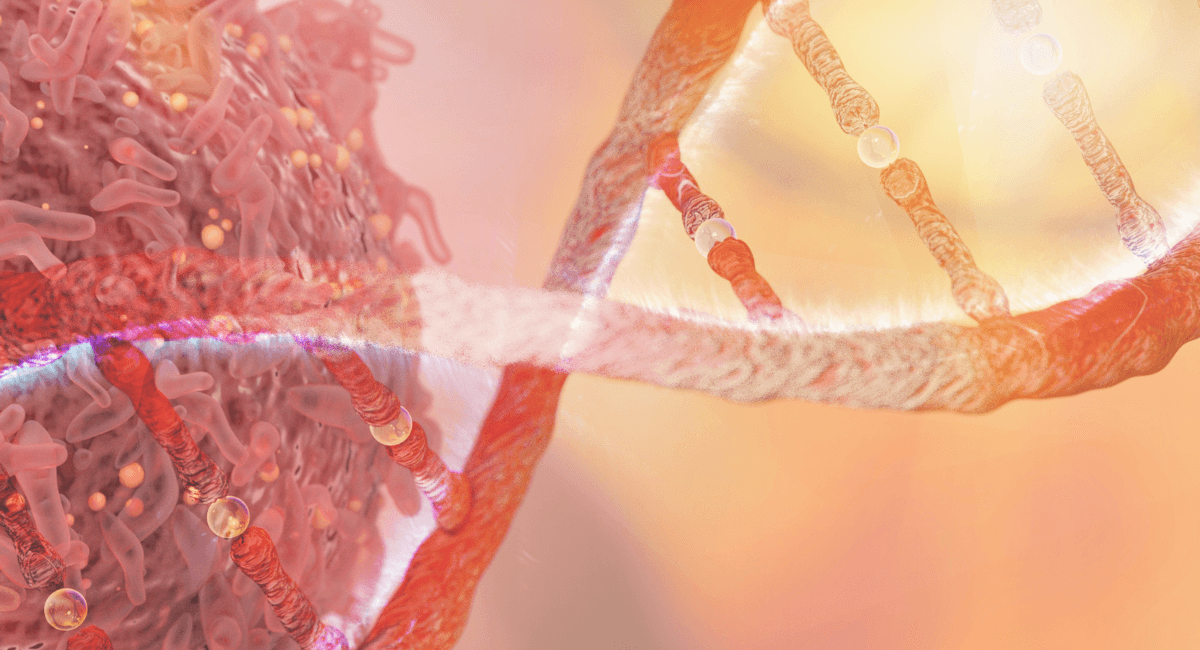
All cancers arise from alterations in the DNA sequence of cancer cell genomes. The advent of Next-Generation Sequencing (NGS) has enabled researchers to examine the cancer genome at an unprecedented scale. NGS approaches—such as whole-genome, whole-exome, and transcriptome sequencing—have greatly expanded our understanding of oncogenic genomic changes, including point mutations, insertions and deletions, copy-number variations, and structural variants. Moreover, NGS has facilitated the discovery of novel oncogenes and helped elucidate the molecular mechanisms underlying tumor initiation, metastasis, and the complexity and heterogeneity of cancer. These insights support the development of more effective therapeutic strategies, inform treatment selection, and guide diagnostic and preventive approaches.
Preview

All cancers arise from alterations in the DNA sequence of cancer cell genomes. The advent of Next-Generation Sequencing (NGS) has enabled researchers to examine the cancer genome at an unprecedented scale. NGS approaches—such as whole-genome, whole-exome, and transcriptome sequencing—have greatly expanded our understanding of oncogenic genomic changes, including point mutations, insertions and deletions, copy-number variations, and structural variants. Moreover, NGS has facilitated the discovery of novel oncogenes and helped elucidate the molecular mechanisms underlying tumor initiation, metastasis, and the complexity and heterogeneity of cancer. These insights support the development of more effective therapeutic strategies, inform treatment selection, and guide diagnostic and preventive approaches.

Preview

Overview

All cancers arise from alterations in the DNA sequence of cancer cell genomes. The advent of Next-Generation Sequencing (NGS) has enabled researchers to examine the cancer genome at an unprecedented scale. NGS approaches—such as whole-genome, whole-exome, and transcriptome sequencing—have greatly expanded our understanding of oncogenic genomic changes, including point mutations, insertions and deletions, copy-number variations, and structural variants. Moreover, NGS has facilitated the discovery of novel oncogenes and helped elucidate the molecular mechanisms underlying tumor initiation, metastasis, and the complexity and heterogeneity of cancer. These insights support the development of more effective therapeutic strategies, inform treatment selection, and guide diagnostic and preventive approaches.

Preview

All cancers arise from alterations in the DNA sequence of cancer cell genomes. The advent of Next-Generation Sequencing (NGS) has enabled researchers to examine the cancer genome at an unprecedented scale. NGS approaches—such as whole-genome, whole-exome, and transcriptome sequencing—have greatly expanded our understanding of oncogenic genomic changes, including point mutations, insertions and deletions, copy-number variations, and structural variants. Moreover, NGS has facilitated the discovery of novel oncogenes and helped elucidate the molecular mechanisms underlying tumor initiation, metastasis, and the complexity and heterogeneity of cancer. These insights support the development of more effective therapeutic strategies, inform treatment selection, and guide diagnostic and preventive approaches.

Preview

Genomics Application in Cancer Research

Genomics helps cancer research identify biomarkers for early detection, prognosis, and treatment selection. By comparing genomic profiles across patient groups, researchers can better classify tumors and support precision oncology studies.


Genomics helps cancer research identify biomarkers for early detection, prognosis, and treatment selection. By comparing genomic profiles across patient groups, researchers can better classify tumors and support precision oncology studies.


Genomics also enables large-scale analysis of cancer evolution and population-level patterns. It helps reveal how tumors change over time, how resistance emerges, and how genomic differences can guide the development of more targeted therapies.


Genomics also enables large-scale analysis of cancer evolution and population-level patterns. It helps reveal how tumors change over time, how resistance emerges, and how genomic differences can guide the development of more targeted therapies.
Genomics Application in Cancer Research

Genomics helps cancer research identify biomarkers for early detection, prognosis, and treatment selection. By comparing genomic profiles across patient groups, researchers can better classify tumors and support precision oncology studies.


Genomics helps cancer research identify biomarkers for early detection, prognosis, and treatment selection. By comparing genomic profiles across patient groups, researchers can better classify tumors and support precision oncology studies.


Genomics also enables large-scale analysis of cancer evolution and population-level patterns. It helps reveal how tumors change over time, how resistance emerges, and how genomic differences can guide the development of more targeted therapies.
Genomics also enables large-scale analysis of cancer evolution and population-level patterns. It helps reveal how tumors change over time, how resistance emerges, and how genomic differences can guide the development of more targeted therapies.

More services

10x Single Cell RNA Sequencing
Human Whole Genome Sequencing
Whole Exome Sequencing
Whole Transcriptome Sequencing
Whole Genome Bisulfite Sequencing
Reduced Representation Bisulfite Sequencing (RRBS)
ChIP-Seq
ChIP-Seq
ChIP-Seq
ChIP-Seq

More services

10x Single Cell RNA Sequencing
Human Whole Genome Sequencing
Whole Exome Sequencing
Whole Transcriptome Sequencing
Whole Genome Bisulfite Sequencing
Reduced Representation Bisulfite Sequencing (RRBS)
ChIP-Seq
ChIP-Seq
ChIP-Seq
ChIP-Seq

Tell Us More About Your Next Project

We are able to support your research by generating high-quality, publication-ready data in a rapid time-frame. Reach out to us and we will get back to you shortly.
Contact Us
(Tell Us More About Your Next Project)
Contact Us
(Tell Us More About Your Next Project)
Your Privacy ChoicesPrivacy PolicyCookie PolicyCareers
banner laptop bg
banner mobile bg

Cancer Research

Overview

All cancers arise from alterations in the DNA sequence of cancer cell genomes. The advent of Next-Generation Sequencing (NGS) has enabled researchers to examine the cancer genome at an unprecedented scale. NGS approaches—such as whole-genome, whole-exome, and transcriptome sequencing—have greatly expanded our understanding of oncogenic genomic changes, including point mutations, insertions and deletions, copy-number variations, and structural variants. Moreover, NGS has facilitated the discovery of novel oncogenes and helped elucidate the molecular mechanisms underlying tumor initiation, metastasis, and the complexity and heterogeneity of cancer. These insights support the development of more effective therapeutic strategies, inform treatment selection, and guide diagnostic and preventive approaches.

Preview

All cancers arise from alterations in the DNA sequence of cancer cell genomes. The advent of Next-Generation Sequencing (NGS) has enabled researchers to examine the cancer genome at an unprecedented scale. NGS approaches—such as whole-genome, whole-exome, and transcriptome sequencing—have greatly expanded our understanding of oncogenic genomic changes, including point mutations, insertions and deletions, copy-number variations, and structural variants. Moreover, NGS has facilitated the discovery of novel oncogenes and helped elucidate the molecular mechanisms underlying tumor initiation, metastasis, and the complexity and heterogeneity of cancer. These insights support the development of more effective therapeutic strategies, inform treatment selection, and guide diagnostic and preventive approaches.

Preview

Overview

All cancers arise from alterations in the DNA sequence of cancer cell genomes. The advent of Next-Generation Sequencing (NGS) has enabled researchers to examine the cancer genome at an unprecedented scale. NGS approaches—such as whole-genome, whole-exome, and transcriptome sequencing—have greatly expanded our understanding of oncogenic genomic changes, including point mutations, insertions and deletions, copy-number variations, and structural variants. Moreover, NGS has facilitated the discovery of novel oncogenes and helped elucidate the molecular mechanisms underlying tumor initiation, metastasis, and the complexity and heterogeneity of cancer. These insights support the development of more effective therapeutic strategies, inform treatment selection, and guide diagnostic and preventive approaches.

Preview

All cancers arise from alterations in the DNA sequence of cancer cell genomes. The advent of Next-Generation Sequencing (NGS) has enabled researchers to examine the cancer genome at an unprecedented scale. NGS approaches—such as whole-genome, whole-exome, and transcriptome sequencing—have greatly expanded our understanding of oncogenic genomic changes, including point mutations, insertions and deletions, copy-number variations, and structural variants. Moreover, NGS has facilitated the discovery of novel oncogenes and helped elucidate the molecular mechanisms underlying tumor initiation, metastasis, and the complexity and heterogeneity of cancer. These insights support the development of more effective therapeutic strategies, inform treatment selection, and guide diagnostic and preventive approaches.

Preview

Genomics Application in Cancer Research

Genomics helps cancer research identify biomarkers for early detection, prognosis, and treatment selection. By comparing genomic profiles across patient groups, researchers can better classify tumors and support precision oncology studies.


Genomics helps cancer research identify biomarkers for early detection, prognosis, and treatment selection. By comparing genomic profiles across patient groups, researchers can better classify tumors and support precision oncology studies.


Genomics also enables large-scale analysis of cancer evolution and population-level patterns. It helps reveal how tumors change over time, how resistance emerges, and how genomic differences can guide the development of more targeted therapies.

Genomics also enables large-scale analysis of cancer evolution and population-level patterns. It helps reveal how tumors change over time, how resistance emerges, and how genomic differences can guide the development of more targeted therapies.

Genomics Application in Cancer Research

Genomics helps cancer research identify biomarkers for early detection, prognosis, and treatment selection. By comparing genomic profiles across patient groups, researchers can better classify tumors and support precision oncology studies.


Genomics helps cancer research identify biomarkers for early detection, prognosis, and treatment selection. By comparing genomic profiles across patient groups, researchers can better classify tumors and support precision oncology studies.


Genomics also enables large-scale analysis of cancer evolution and population-level patterns. It helps reveal how tumors change over time, how resistance emerges, and how genomic differences can guide the development of more targeted therapies.

Genomics also enables large-scale analysis of cancer evolution and population-level patterns. It helps reveal how tumors change over time, how resistance emerges, and how genomic differences can guide the development of more targeted therapies.

More services

10x Single Cell RNA Sequencing
Human Whole Genome Sequencing
Whole Exome Sequencing
Whole Transcriptome Sequencing
Whole Genome Bisulfite Sequencing
Reduced Representation Bisulfite Sequencing (RRBS)
ChIP-Seq
ChIP-Seq
ChIP-Seq
ChIP-Seq

More services

10x Single Cell RNA Sequencing
Human Whole Genome Sequencing
Whole Exome Sequencing
Whole Transcriptome Sequencing
Whole Genome Bisulfite Sequencing
Reduced Representation Bisulfite Sequencing (RRBS)
ChIP-Seq
ChIP-Seq
ChIP-Seq
ChIP-Seq

Tell Us More About Your Next Project

We are able to support your research by generating high-quality, publication-ready data in a rapid time-frame. Reach out to us and we will get back to you shortly.
Contact Us
(Tell Us More About Your Next Project)
Contact Us
(Tell Us More About Your Next Project)
Your Privacy ChoicesPrivacy PolicyCookie PolicyCareers