
• Cart
    • Quote
    • Inquiry
    • Cart
    • Quote
    • Inquiry
Novogene
  • Novogene
  • Genomics
    • Human Whole Genome Sequencing
    • Whole Exome Sequencing
    • Plant and Animal Whole Genome Sequencing
    • Plant and Animal De Novo Sequencing
    • Microbial Whole Genome Sequencing
    • Microbial De Novo Sequencing

    Metagenomics

    • Shotgun Metagenomics Sequencing
    • Amplicon Sequencing

    Transcriptomics

    • mRNA Sequencing
    • Swift & Express mRNA Sequencing New!
    • Full-Length Transcriptome Sequencing
    • Prokaryotic RNA Sequencing
    • Metatranscriptome Sequencing
    • Total RNA Sequencing
    • Small RNA Sequencing (sRNA‑seq)
    • Whole Transcriptome Sequencing

    Single Cell & Spatial Omics

    • 10x Single Cell Gene Expression
    • Illumina PIP-seq Single Cell 3’ RNA Sequencing New!
    • Spatial Transcriptomics Sequencing New!

    Epigenomics

    • Whole Genome Bisulfite Sequencing (WGBS)
    • Enzymatic Methylation Sequencing
    • Directed Methylation Sequencing (DM-Seq) New!
    • RNA Immunoprecipitation Sequencing (RIP-seq)
    • Chromatin Immunoprecipitation Sequencing (ChIP-seq)
    • Cleavage Under Targets & Tagmentation (CUT&Tag) New!
    • Assay for Transposase-Accessible Chromatin with Sequencing (ATAC-seq)
    • Reduced Representation Bisulfite Sequencing (RRBS)

    Proteomics

    • Quantitative Proteomics New!
    • PTM Proteomics New!
    • Olink Proteomics New!

    Metabolomics

    • Untargeted Metabolomics

    Premade Library

    • Sequencing Only on Illumina Sequencer
    • Sequencing Only on Ultima Sequencer
  • PromotionsPromotions
    • Platforms
    • Service & Support
    • Automated Delivery Platform (Falcon)
    • Bioinformatics Analysis Tool (NovoMagic)
    • Customer Service System (CSS)
    • Case Study
    • Blog
    • Webinar
    • Brochure
    • Cancer Research
    • Immuno-oncology
    • Agrigenomics
    • Environment
    • Food Science
    • Human Microbiome
    • Plant and Animal Microbiome
    • Drug Discovery and Development
    • Rare and Complex Diseases
    • About Us
    • Our Locations
    • News & Events
    • Careers
  • Contact UsContact Us
    • mRNA Sequencing
    • Illumina Lane Sequencing
  1. Home
  2. Resources
  3. Blog
  4. Ultima Genomics Sequencing at Novogene: Platform Overview, Workflows, and Data Quality

Ultima Genomics Sequencing at Novogene: Platform Overview, Workflows, and Data Quality

Equipped with UG 100 Solaris in Novogene’s sequencing fleet, we’re excited to offer a fast, scalable, and cost-effective sequencing solution for various applications.

Leveraging our industry-leading services and extensive technical expertise, this blog provides a comprehensive introduction of our sequencing service on Ultima Genomics Platform, including validated workflows, laboratory processes, and data handling from library intake to final quality control.

1. Validated Applications on the Ultima Platform

Ultima offers two primary sequencing workflows, each optimized for different library preparation requirements:

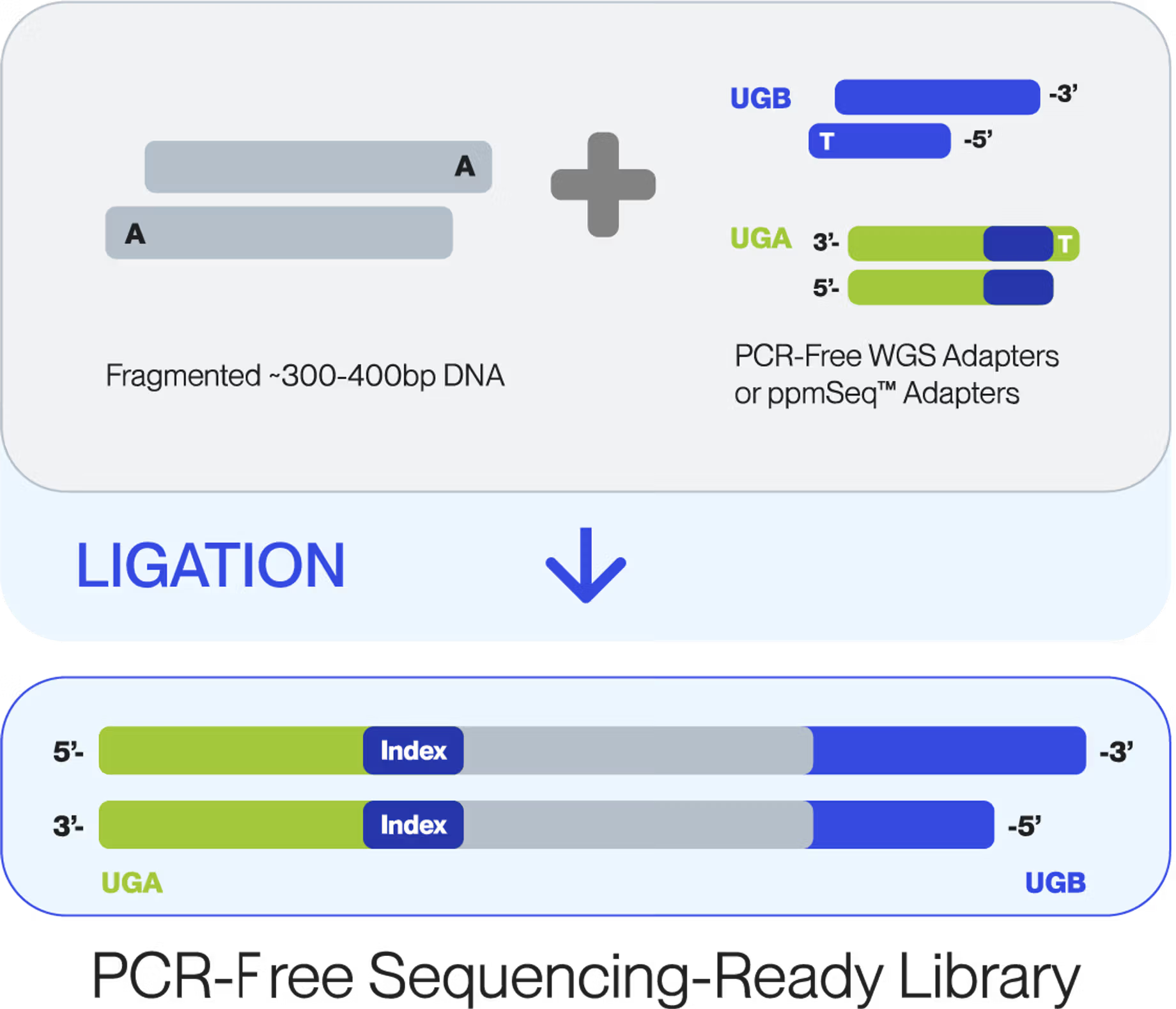
  • Solaris Free Workflow: The UG 100 Solaris™ Free workflow supports PCR-free library preparation compatible with leading library prep kits and accommodates a range of sample types and input amounts.
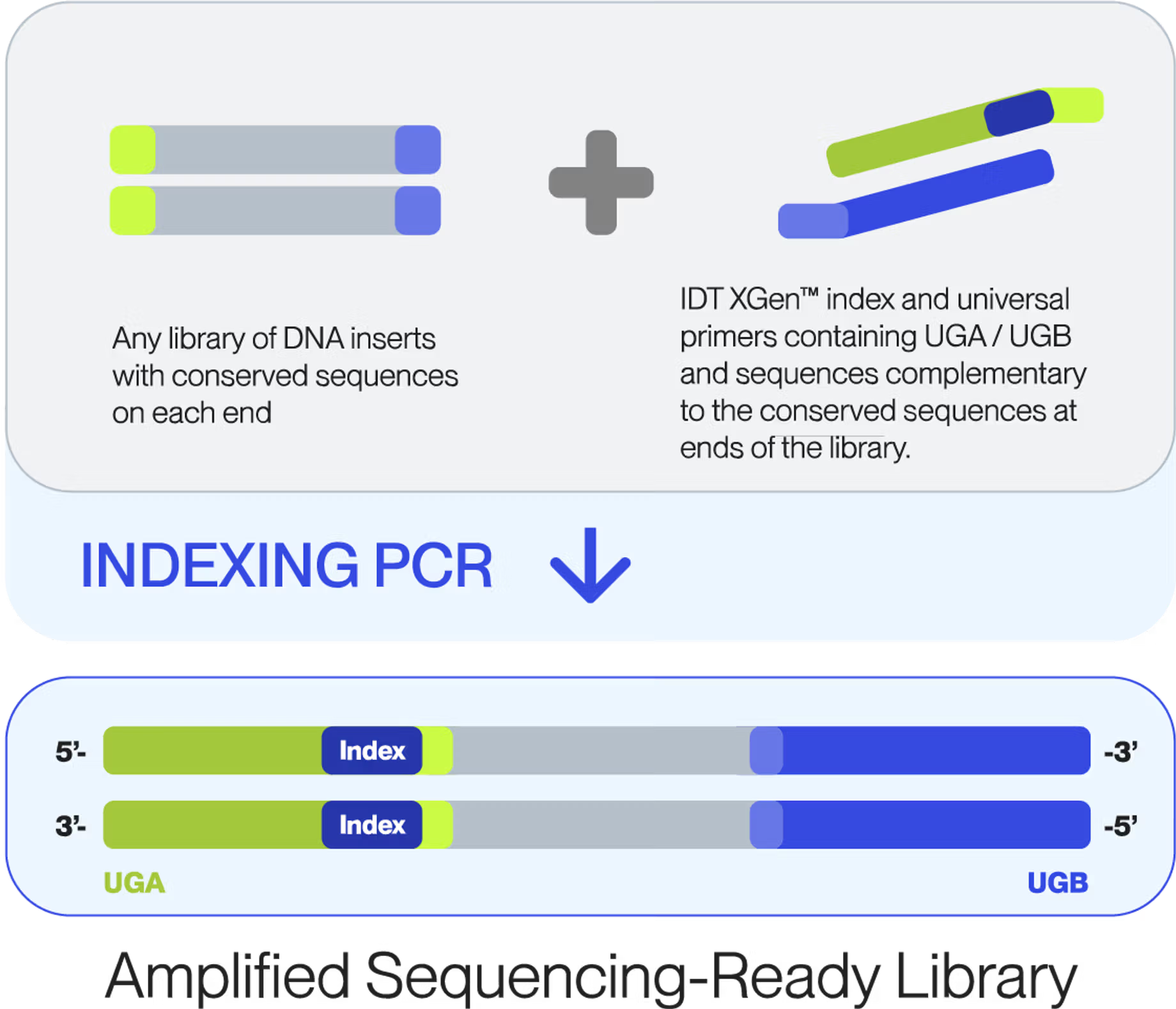
  • Solaris Flex Workflow: The UG 100 Solaris™ Flex workflow allows for seamless adaptation of partial or full-length existing libraries generated from third-party library kits through a simple PCR.
    Ultima Genomics supports a growing list of applications and has validated various applications on the UG 100 sequencing platform.

    Solaris FreeSolaris Flex
    Native Whole Genome Sequencing (WGS) ppmSeq gDNA ppmSeq cfDNANative WGS- Amplified Bulk RNA-Seq 10x 3’ Gene Expression v4 / v3 10x 5’ Gene Expression v3 /v2 10x GEM-X Flex Gene Expression 10x GEM-X Flex CRISPR 10x GEM-X Flex Apex (Flex v2) Gene Expression 10x GEM-X Flex Apex (Flex v2) Feature Barcode 10x Single Cell ATAC v2 10x Single Cell Multiome ATAC 10x 5’ Feature Barcode v3 10x 3’ Feature Barcode v4 10x Visium HD Spatial Gene Expression 10x Visium HD 3’ Spatial Gene Expression 10x GEM-X 5’ CRISPR v3 Parse Evercode™ WT v4/ v2 Scale (ScalePlex/QuantumScale) AtlasXomics Bioskryb ResolveDNA Bioskryb ResolveOME Ancient DNA (double-stranded/ single-stranded) Twist FlexPrep™ UHT Library Olink® Explore HT Olink® Reveal IDT xGen™ Methyl-Seq NEBNext® Enzymatic Methyl-seq Watchmaker DNA Library Prep Kit with TAPS+ IDT xGen™ cfDNA and FFPE DNA Library Alithea Genomic Mercurius™ DRUG-seq
The supported applications document provides detailed information including sequencing workflow, library construction/conversion information, sample sheet parameters, run QC metrics, and descriptions of application-specific on-platform data analysis.

Both workflows have been validated in our laboratory with standardized QC metrics and performance benchmarks. We also validated most applications above and delivered many runs with successful data metrics to our customers. Feel free to contact us to check the validated application list and demo dataset.

2. Streamlined End-to-End Workflow

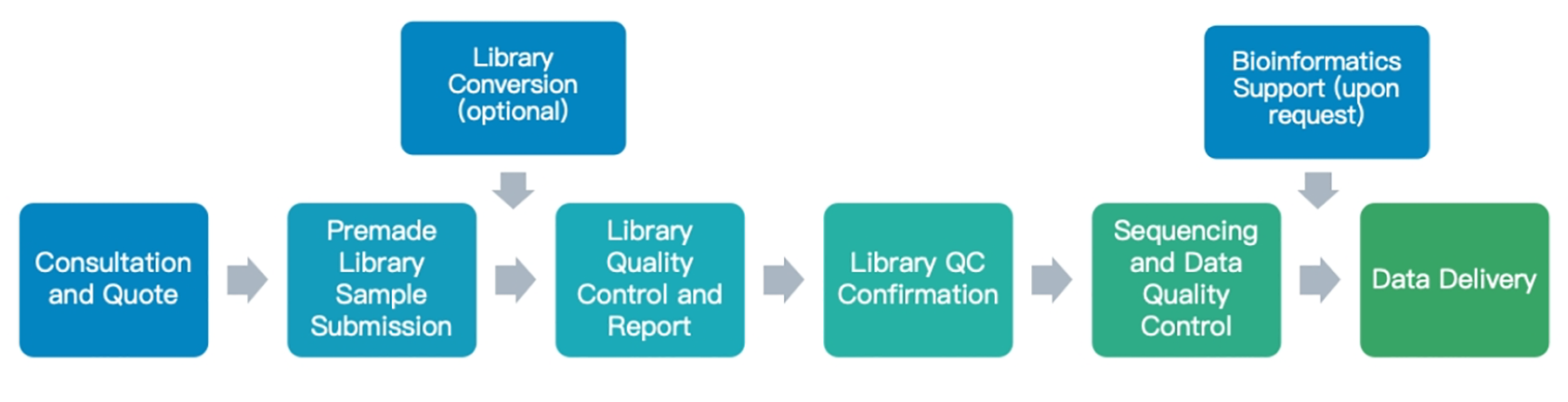
Our UG 100 sequencing service is designed to minimize complexity while maintaining rigorous quality standards. The high-level workflow includes:
3. Library Conversion

Three Library Flavors Supported

Ultima Genomics sequencer supports three library flavors, defined by library structure and amplification strategy. The conversion approach and process vary depending on the library type, including:

  • Ultima-compatible PCR-free libraries

ppmSeq or native WGS Library prepared natively with a UG library prep kit.

  • Ultima-compatible PCR-amplified libraries

Library prepared with a non-Ultima library prep kit and then converted into Ultima-compatible libraries using IDT xGEN Ultima Indexing primers.

  • Non-Ultima libraries (primarily Illumina-compatible libraries)

Not prepared directly with an Ultima-specific library kit or adapters. Most library kits fall into the type if without Ultima-specific primers provided. Non-Ultima Library requires Library Conversion. For the most efficient conversion, it is strongly recommended that libraries be submitted un-pooled. If your libraries are already pooled, please contact a Novogene support member for further evaluation.

More details and explanation can be found in library preparation compatibility guide and supported application documents.

Why Library Conversion Is Needed Library conversion is only required when the incoming library (non-Ultima library) does not already contain Ultima-compatible adapters. Ultima Genomics’ sequencers require platform-specific adapters. As a result, Illumina-compatible libraries must undergo library conversion to ensure compatibility before sequencing on the Ultima Genomics™ UG 100™ Sequencing Platform.

Library conversion generates amplified DNA libraries prepared with non-Ultima Genomics sequencing adapters that include the following specific sequences referred to as R1 and R2:

R1: 5’ – CTACACGACGCTCTTCCGATCT –3′

R2: 5’ – CAGACGTGTGCTCTTCCGATCT –3′

This indexing PCR protocol will simultaneously amplify the input library fragments and incorporate UG specific adapter sequences and sample indexes (UG barcodes).

Optimal Conversion Recipe and Handling

There are different workflows for converting non-UG libraries from various applications into UG-compatible libraries. Each conversion recipe is designed to optimize the conversion process, ensuring compatibility with Ultima Genomics platforms while maintaining the integrity and quality of the original libraries.

Before sample submission, libraries are evaluated based on application type, adapter structure, indexing strategy, pooling status. Based on this assessment, libraries are routed through the appropriate conversion or direct sequencing workflow.

4. Library Quality Control

Library quality control (QC) is a critical checkpoint prior to sequencing, with different QC procedures for PCR-free and PCR-amplified libraries.

PCR-free libraryPCR-amplified library/ Converted library
qPCR Quantification Fragment Size CheckQubit Quantification Fragment Size Check

QC thresholds are adjusted to account for PCR-related variability while still meeting sequencing requirements. Library QC report with detailed metrics will be delivered to confirm.

5. Multiplexing and Sequencing

Multiplexing Strategy and Restrictions

Not all samples from various applications can be grouped on a single wafer. The table below provides guidelines of sample multiplexing and pooling compatibility. Sequencing recipe and analysis recipe need to be defined to schedule any sequencing runs and only one sequencing recipe may be utilized per sequencing run on UG 100 platform. Certain sequencing recipes have flow orders tailored to specific applications that cannot be mixed with other applications.

Library Type Sequencing RecipeNotes
WGS native ppmSeqSolaris Free 116cyclesMust be sequenced apart from Solaris Flex workflow.
10x 3′ scRNA 10x Multiome – GEX 10x 3’ Feature Barcode v4Solaris Flex 3scRNAMust be sequenced apart from other applications.
10x Flex v2 10x Flex v2 CRISPR 10x Flex v2 Feature BarcodeSolaris Flex 10xFlexV2Must be sequenced apart from other applications.
10x Visium HDSolaris Flex VisiumHDMust be sequenced apart from other applications.
BD Rhapsody WTA BD Rhapsody SMK BD Rhapsody AbSeqSolaris Flex BD_scRNAMust be sequenced apart from other applications.
Alithea DRUG-Seq v5A Alithea DRUG-Seq v5B Alithea DRUG-Seq v5C Alithea DRUG-Seq v5DSolaris Flex AlitheaMust be sequenced apart from other applications.
Parse Evercode WT v2Solaris Flex ParseMust be sequenced apart from other applications.
Parse Evercode WT v3Solaris Flex ParseV3Must be sequenced apart from other applications.
Scale ScalePlex Scale QuantumScaleSolaris Flex ScaleMust be sequenced apart from other applications.
WGA Native Amplified RNASeq 10x 5’ scRNA v3 / v2 10x 5′ scRNA v3 CRISPR 10x ATAC v2 10x Multiome – ATAC 10x 5’ Feature Barcoding AtlasXomics Bioskryb scWGS Watchmaker TAPS+ NEB EM-seq IDT Methyl-Seq IDT FFPE cfDNA Converted library (Nextera) Converted library (Truseq)Solaris Flex UG_116cyclesApplications which utilize generic sequencing recipes may be multiplexed on the same wafer.

Select the recipe required for the longest read length application in the pool.

10x FLEX 10x FLEX – CRIPSR Ancient DNA librarySolaris Flex UG_75cycles
Olink – Explore Olink RevealSolaris Flex UG_54cycles
Pooling and Sequencing

Prior to sequencing, libraries are normalized to a uniform concentration to ensure balanced representation across samples during pooling. This step is critical for achieving even read distribution, particularly in multiplexed designs. The final loading concentration of the pooled libraries depends on library type and structure and may require optimization to ensure optimal sequencing performance.

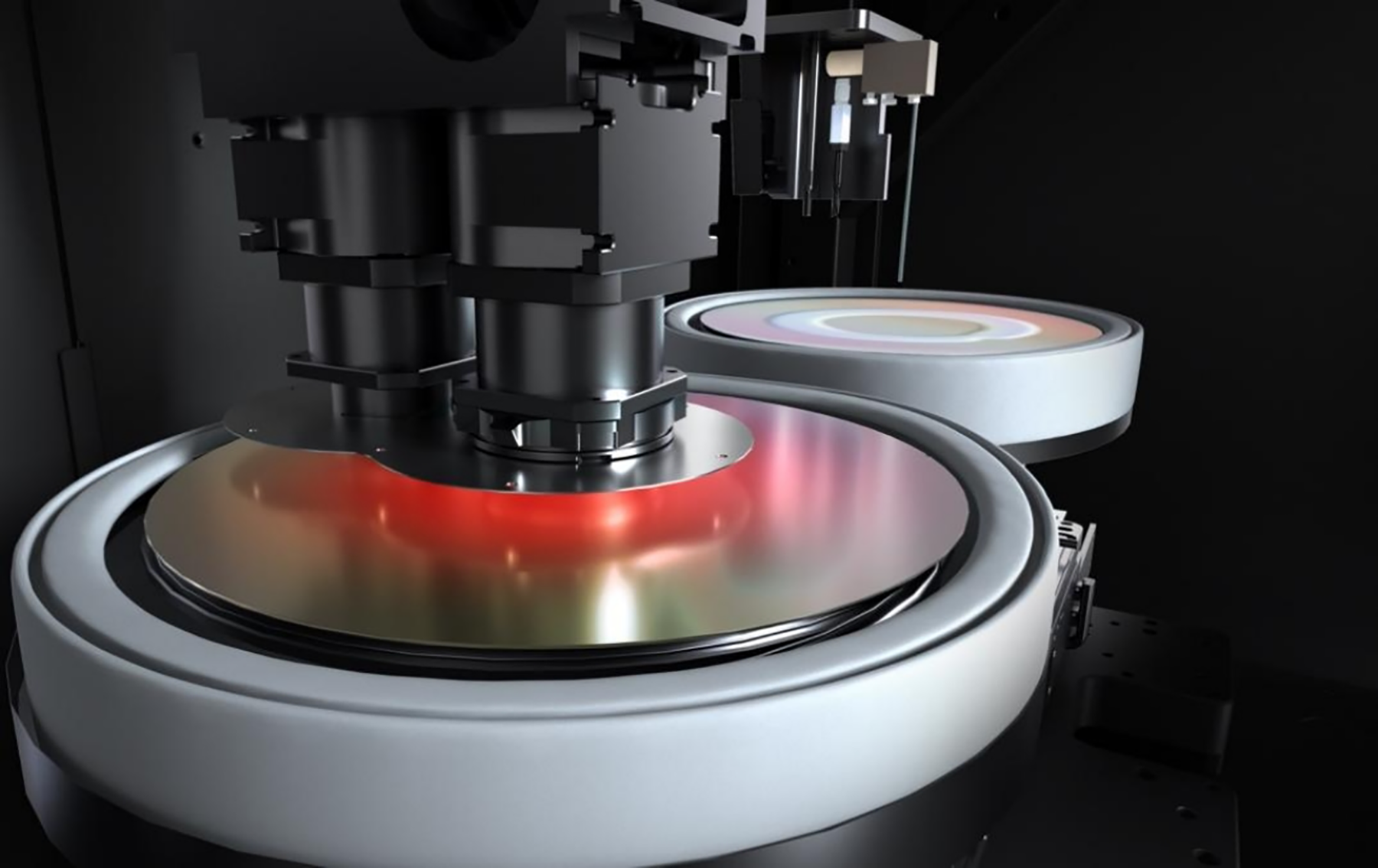
Ultima Genomics sequencing employs a bead-based system coupled with a silicon wafer infrastructure, which is fundamentally different from traditional flow-cell-based platforms. Normalized library pools are loaded onto beads at validated concentrations. During each sequencing cycle, a single nucleotide type (A, C, T, or G) is introduced using a contactless spin-coating process, and the entire wafer surface is scanned to detect incorporation events. Fluorescent labels are subsequently removed using the same high-speed spin-coating process, enabling rapid, accurate imaging across the wafer’s expansive surface.
6. On-tool Data Processing

Base Quality

Ultima’s flow-based sequencing-by-synthesis (SBS) provides quality scores based on the inherent difference in error mode – uncertainty in the length of homopolymers in each base incorporation cycle (answering the question of how many bases were incorporated, instead of which base was incorporated).
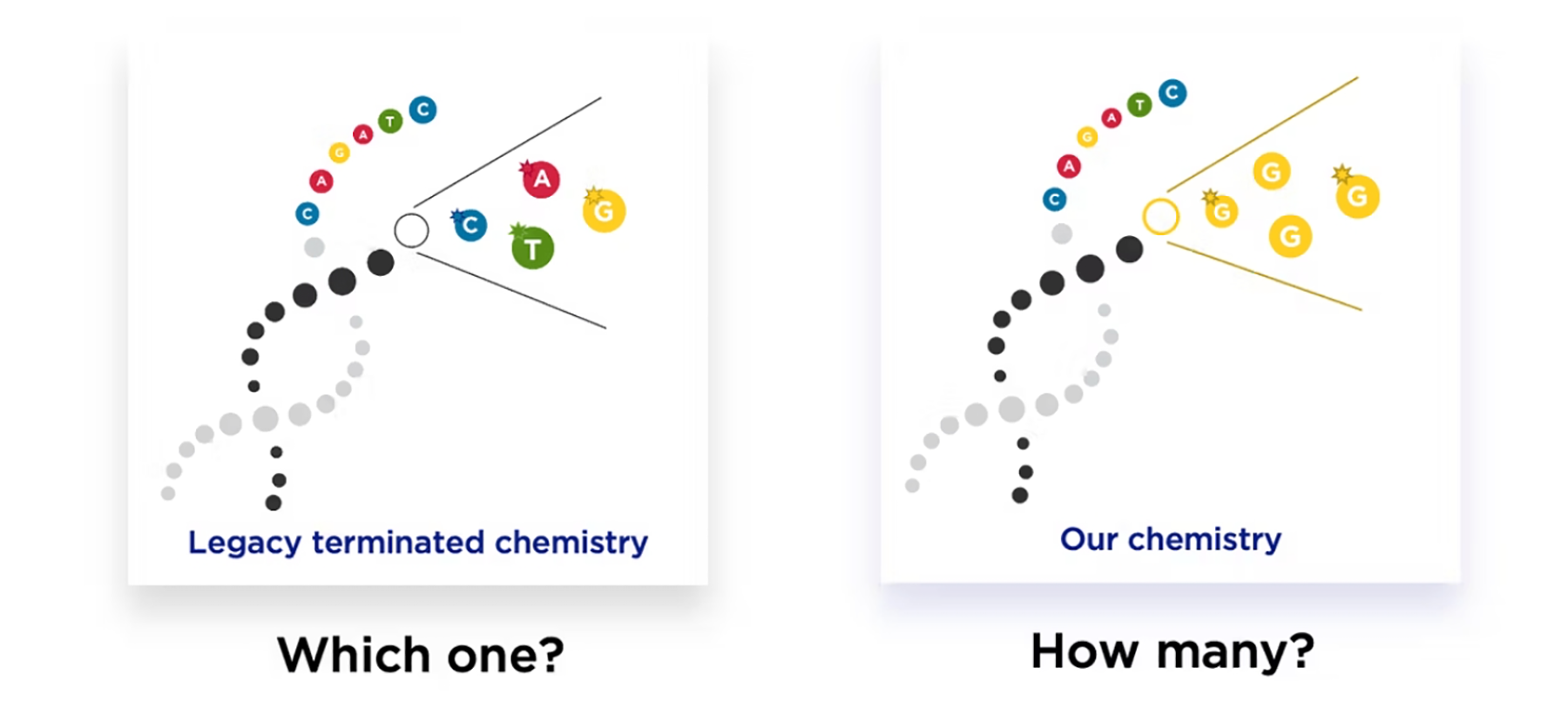
Instead of relying solely on conventional Phred quality scores, Ultima introduces the Single Nucleotide Variant Quality (SNVQ) score, tailored to flow-based sequencing technology. SNVQ is a more precise quality metric than base quality (BQ) for Ultima Genomics sequencing, calculated per alternate base, rather than aggregated across the three alternate bases and averaged, as in traditional SBS. BQ, the standard base substitution quality metric, measures the likelihood of any alternate base at a given locus (e.g., A>C/G/T), which is inherently lossy. SNVQ, on the other hand, measures the likelihood of a particular alternative base at a given locus (e.g., A>G), which is a more precise measure of sequencing accuracy for individual nucleotide changes. The SNVQ can aid in resolving base changes that are important for certain applications or samples (e.g., C>T for archived samples).

FASTQ output: The industry standard file output – a text-based file format used to store raw sequencing data containing both the nucleotide sequences (reads) and their corresponding quality scores.

CRAM output:A sorted and aligned CRAM file that includes information contained in a typical FASTQ file (read sequence and quality scores) but differs in how the quality scores are calculated and contains two additional tags (tp) and (t0) that reflect the unique flow chemistry Ultima utilizes. CRAM files may also be output as unaligned CRAM files (uCRAM) that contain the same quality information. More explanation can be found in Solaris Run Output Structure Reference.

Please see the UG 100 Solaris Supported Applications for more details on default file output per application.

On-instrument Trimmer and Data Processing

Ultima Genomics sequencing includes integrated, on-instrument data processing to streamline downstream analysis and reduce data handling complexity, based on application-specific analysis configurations. In general, on-instrument analysis follows the steps specified below:

  • Alignment & tagging— Reads are tagged with relevant information (barcodes, UMIs, insert sequences, etc.). If the application requires it, reads are also aligned to a reference genome stored on the platform.
  • Demultiplexing— Barcoded reads are split into per-sample outputs, enabling downstream processing of individual samples.
  • UMI-aware sort / de-duplication— Reads are sorted and duplicates are collapsed using UMI information, improving quantification accuracy.
  • Samples QC— Final quality control metrics are generated for each sample before data delivery.

7. Data Quality Control

Final data quality control is performed after sequencing and data processing to ensure all deliverables meet project specifications. Comprehensive QC reports are provided alongside the data, enabling transparent review and confident downstream analysis.

Bringing the Benefits of Ultima to Your Research

Ultima is redefining what’s possible in high-throughput sequencing by delivering scalable performance and exceptional cost efficiency. As researchers generate increasingly larger datasets, access to innovative sequencing platforms becomes critical for advancing scientific discovery.

At Novogene, we combine the power of Ultima Genomics technology with our proven sequencing expertise, streamlined project management, and U.S.-based operations. From project consultation to data delivery, our team is committed to helping researchers accelerate discovery with reliable turnaround times, flexible project options, and dedicated scientific support.

CLAIM PROMO

ServicesServices menu

CompanyCompany menu

Contact UsContact Us menu

Service SupportService Support menu

Services
mRNA SequencingSwift & Express mRNA SequencingTotal RNA SequencingHuman Whole Genome SequencingWhole Exome Sequencing10x Single Cell Gene ExpressionIllumina PIP-seq Single Cell 3’ RNA SequencingSpatial Transcriptomics SequencingWhole Genome Bisulfite Sequencing (WGBS)Quantitative ProteomicsUntargeted MetabolomicsShotgun Metagenomics SequencingMetatranscriptome SequencingSequencing Only on Illumina SequencerSequencing Only on Ultima SequencerFull-Length Transcriptome SequencingChromatin Immunoprecipitation Sequencing (ChIP-seq)
Company
About UsOur LocationsNews & EventsCareers
Contact Us
Contact Us
Service Support
Automated Delivery Platform (Falcon)Bioinformatics Analysis Tool (NovoMagic)Customer Service System (CSS)
LinkedInLinkedIn hoverYouTubeYouTube hoverXX hoverMetaMeta hoverInstagramInstagram hover
Copyright © 2026 Novogene Corporation Inc. All rights reserved. For Research Use Only.
    • Cart
    • Quote
    • Inquiry
    • Cart
    • Quote
    • Inquiry
Novogene
  • Novogene
  • Genomics
    • Human Whole Genome Sequencing
    • Whole Exome Sequencing
    • Plant and Animal Whole Genome Sequencing
    • Plant and Animal De Novo Sequencing
    • Microbial Whole Genome Sequencing
    • Microbial De Novo Sequencing

    Metagenomics

    • Shotgun Metagenomics Sequencing
    • Amplicon Sequencing

    Transcriptomics

    • mRNA Sequencing
    • Swift & Express mRNA Sequencing New!
    • Full-Length Transcriptome Sequencing
    • Prokaryotic RNA Sequencing
    • Metatranscriptome Sequencing
    • Total RNA Sequencing
    • Small RNA Sequencing (sRNA‑seq)
    • Whole Transcriptome Sequencing

    Single Cell & Spatial Omics

    • 10x Single Cell Gene Expression
    • Illumina PIP-seq Single Cell 3’ RNA Sequencing New!
    • Spatial Transcriptomics Sequencing New!

    Epigenomics

    • Whole Genome Bisulfite Sequencing (WGBS)
    • Enzymatic Methylation Sequencing
    • Directed Methylation Sequencing (DM-Seq) New!
    • RNA Immunoprecipitation Sequencing (RIP-seq)
    • Chromatin Immunoprecipitation Sequencing (ChIP-seq)
    • Cleavage Under Targets & Tagmentation (CUT&Tag) New!
    • Assay for Transposase-Accessible Chromatin with Sequencing (ATAC-seq)
    • Reduced Representation Bisulfite Sequencing (RRBS)

    Proteomics

    • Quantitative Proteomics New!
    • PTM Proteomics New!
    • Olink Proteomics New!

    Metabolomics

    • Untargeted Metabolomics

    Premade Library

    • Sequencing Only on Illumina Sequencer
    • Sequencing Only on Ultima Sequencer
  • PromotionsPromotions
    • Platforms
    • Service & Support
    • Automated Delivery Platform (Falcon)
    • Bioinformatics Analysis Tool (NovoMagic)
    • Customer Service System (CSS)
    • Case Study
    • Blog
    • Webinar
    • Brochure
    • Cancer Research
    • Immuno-oncology
    • Agrigenomics
    • Environment
    • Food Science
    • Human Microbiome
    • Plant and Animal Microbiome
    • Drug Discovery and Development
    • Rare and Complex Diseases
    • About Us
    • Our Locations
    • News & Events
    • Careers
  • Contact UsContact Us
    • mRNA Sequencing
    • Illumina Lane Sequencing
  1. Home
  2. Resources
  3. Blog
  4. Ultima Genomics Sequencing at Novogene: Platform Overview, Workflows, and Data Quality

Ultima Genomics Sequencing at Novogene: Platform Overview, Workflows, and Data Quality

Equipped with UG 100 Solaris in Novogene’s sequencing fleet, we’re excited to offer a fast, scalable, and cost-effective sequencing solution for various applications.

Leveraging our industry-leading services and extensive technical expertise, this blog provides a comprehensive introduction of our sequencing service on Ultima Genomics Platform, including validated workflows, laboratory processes, and data handling from library intake to final quality control.

1. Validated Applications on the Ultima Platform

Ultima offers two primary sequencing workflows, each optimized for different library preparation requirements:

  • Solaris Free Workflow: The UG 100 Solaris™ Free workflow supports PCR-free library preparation compatible with leading library prep kits and accommodates a range of sample types and input amounts.
  • Solaris Flex Workflow: The UG 100 Solaris™ Flex workflow allows for seamless adaptation of partial or full-length existing libraries generated from third-party library kits through a simple PCR.

    Ultima Genomics supports a growing list of applications and has validated various applications on the UG 100 sequencing platform.

    Solaris FreeSolaris Flex
    Native Whole Genome Sequencing (WGS) ppmSeq gDNA ppmSeq cfDNANative WGS- Amplified Bulk RNA-Seq 10x 3’ Gene Expression v4 / v3 10x 5’ Gene Expression v3 /v2 10x GEM-X Flex Gene Expression 10x GEM-X Flex CRISPR 10x GEM-X Flex Apex (Flex v2) Gene Expression 10x GEM-X Flex Apex (Flex v2) Feature Barcode 10x Single Cell ATAC v2 10x Single Cell Multiome ATAC 10x 5’ Feature Barcode v3 10x 3’ Feature Barcode v4 10x Visium HD Spatial Gene Expression 10x Visium HD 3’ Spatial Gene Expression 10x GEM-X 5’ CRISPR v3 Parse Evercode™ WT v4/ v2 Scale (ScalePlex/QuantumScale) AtlasXomics Bioskryb ResolveDNA Bioskryb ResolveOME Ancient DNA (double-stranded/ single-stranded) Twist FlexPrep™ UHT Library Olink® Explore HT Olink® Reveal IDT xGen™ Methyl-Seq NEBNext® Enzymatic Methyl-seq Watchmaker DNA Library Prep Kit with TAPS+ IDT xGen™ cfDNA and FFPE DNA Library Alithea Genomic Mercurius™ DRUG-seq

The supported applications document provides detailed information including sequencing workflow, library construction/conversion information, sample sheet parameters, run QC metrics, and descriptions of application-specific on-platform data analysis.

Both workflows have been validated in our laboratory with standardized QC metrics and performance benchmarks. We also validated most applications above and delivered many runs with successful data metrics to our customers. Feel free to contact us to check the validated application list and demo dataset.

2. Streamlined End-to-End Workflow

Our UG 100 sequencing service is designed to minimize complexity while maintaining rigorous quality standards. The high-level workflow includes:

3. Library Conversion

Three Library Flavors Supported

Ultima Genomics sequencer supports three library flavors, defined by library structure and amplification strategy. The conversion approach and process vary depending on the library type, including:

  • Ultima-compatible PCR-free libraries

ppmSeq or native WGS Library prepared natively with a UG library prep kit.

  • Ultima-compatible PCR-amplified libraries

Library prepared with a non-Ultima library prep kit and then converted into Ultima-compatible libraries using IDT xGEN Ultima Indexing primers.

  • Non-Ultima libraries (primarily Illumina-compatible libraries)

Not prepared directly with an Ultima-specific library kit or adapters. Most library kits fall into the type if without Ultima-specific primers provided. Non-Ultima Library requires Library Conversion. For the most efficient conversion, it is strongly recommended that libraries be submitted un-pooled. If your libraries are already pooled, please contact a Novogene support member for further evaluation.

More details and explanation can be found in library preparation compatibility guide and supported application documents.

Why Library Conversion Is Needed Library conversion is only required when the incoming library (non-Ultima library) does not already contain Ultima-compatible adapters. Ultima Genomics’ sequencers require platform-specific adapters. As a result, Illumina-compatible libraries must undergo library conversion to ensure compatibility before sequencing on the Ultima Genomics™ UG 100™ Sequencing Platform.

Library conversion generates amplified DNA libraries prepared with non-Ultima Genomics sequencing adapters that include the following specific sequences referred to as R1 and R2:

R1: 5’ – CTACACGACGCTCTTCCGATCT –3′

R2: 5’ – CAGACGTGTGCTCTTCCGATCT –3′

This indexing PCR protocol will simultaneously amplify the input library fragments and incorporate UG specific adapter sequences and sample indexes (UG barcodes).

Optimal Conversion Recipe and Handling

There are different workflows for converting non-UG libraries from various applications into UG-compatible libraries. Each conversion recipe is designed to optimize the conversion process, ensuring compatibility with Ultima Genomics platforms while maintaining the integrity and quality of the original libraries.

Before sample submission, libraries are evaluated based on application type, adapter structure, indexing strategy, pooling status. Based on this assessment, libraries are routed through the appropriate conversion or direct sequencing workflow.

4. Library Quality Control

Library quality control (QC) is a critical checkpoint prior to sequencing, with different QC procedures for PCR-free and PCR-amplified libraries.

PCR-free libraryPCR-amplified library/ Converted library
qPCR Quantification Fragment Size CheckQubit Quantification Fragment Size Check

QC thresholds are adjusted to account for PCR-related variability while still meeting sequencing requirements. Library QC report with detailed metrics will be delivered to confirm.

5. Multiplexing and Sequencing

Multiplexing Strategy and Restrictions

Not all samples from various applications can be grouped on a single wafer. The table below provides guidelines of sample multiplexing and pooling compatibility. Sequencing recipe and analysis recipe need to be defined to schedule any sequencing runs and only one sequencing recipe may be utilized per sequencing run on UG 100 platform. Certain sequencing recipes have flow orders tailored to specific applications that cannot be mixed with other applications.

Library Type Sequencing RecipeNotes
WGS native ppmSeqSolaris Free 116cyclesMust be sequenced apart from Solaris Flex workflow.
10x 3′ scRNA 10x Multiome – GEX 10x 3’ Feature Barcode v4Solaris Flex 3scRNAMust be sequenced apart from other applications.
10x Flex v2 10x Flex v2 CRISPR 10x Flex v2 Feature BarcodeSolaris Flex 10xFlexV2Must be sequenced apart from other applications.
10x Visium HDSolaris Flex VisiumHDMust be sequenced apart from other applications.
BD Rhapsody WTA BD Rhapsody SMK BD Rhapsody AbSeqSolaris Flex BD_scRNAMust be sequenced apart from other applications.
Alithea DRUG-Seq v5A Alithea DRUG-Seq v5B Alithea DRUG-Seq v5C Alithea DRUG-Seq v5DSolaris Flex AlitheaMust be sequenced apart from other applications.
Parse Evercode WT v2Solaris Flex ParseMust be sequenced apart from other applications.
Parse Evercode WT v3Solaris Flex ParseV3Must be sequenced apart from other applications.
Scale ScalePlex Scale QuantumScaleSolaris Flex ScaleMust be sequenced apart from other applications.
WGA Native Amplified RNASeq 10x 5’ scRNA v3 / v2 10x 5′ scRNA v3 CRISPR 10x ATAC v2 10x Multiome – ATAC 10x 5’ Feature Barcoding AtlasXomics Bioskryb scWGS Watchmaker TAPS+ NEB EM-seq IDT Methyl-Seq IDT FFPE cfDNA Converted library (Nextera) Converted library (Truseq)Solaris Flex UG_116cyclesApplications which utilize generic sequencing recipes may be multiplexed on the same wafer.

Select the recipe required for the longest read length application in the pool.

10x FLEX 10x FLEX – CRIPSR Ancient DNA librarySolaris Flex UG_75cycles
Olink – Explore Olink RevealSolaris Flex UG_54cycles
Pooling and Sequencing

Prior to sequencing, libraries are normalized to a uniform concentration to ensure balanced representation across samples during pooling. This step is critical for achieving even read distribution, particularly in multiplexed designs. The final loading concentration of the pooled libraries depends on library type and structure and may require optimization to ensure optimal sequencing performance.

Ultima Genomics sequencing employs a bead-based system coupled with a silicon wafer infrastructure, which is fundamentally different from traditional flow-cell-based platforms. Normalized library pools are loaded onto beads at validated concentrations. During each sequencing cycle, a single nucleotide type (A, C, T, or G) is introduced using a contactless spin-coating process, and the entire wafer surface is scanned to detect incorporation events. Fluorescent labels are subsequently removed using the same high-speed spin-coating process, enabling rapid, accurate imaging across the wafer’s expansive surface.

6. On-tool Data Processing

Base Quality

Ultima’s flow-based sequencing-by-synthesis (SBS) provides quality scores based on the inherent difference in error mode – uncertainty in the length of homopolymers in each base incorporation cycle (answering the question of how many bases were incorporated, instead of which base was incorporated).

Instead of relying solely on conventional Phred quality scores, Ultima introduces the Single Nucleotide Variant Quality (SNVQ) score, tailored to flow-based sequencing technology. SNVQ is a more precise quality metric than base quality (BQ) for Ultima Genomics sequencing, calculated per alternate base, rather than aggregated across the three alternate bases and averaged, as in traditional SBS. BQ, the standard base substitution quality metric, measures the likelihood of any alternate base at a given locus (e.g., A>C/G/T), which is inherently lossy. SNVQ, on the other hand, measures the likelihood of a particular alternative base at a given locus (e.g., A>G), which is a more precise measure of sequencing accuracy for individual nucleotide changes. The SNVQ can aid in resolving base changes that are important for certain applications or samples (e.g., C>T for archived samples).

FASTQ output: The industry standard file output – a text-based file format used to store raw sequencing data containing both the nucleotide sequences (reads) and their corresponding quality scores.

CRAM output:A sorted and aligned CRAM file that includes information contained in a typical FASTQ file (read sequence and quality scores) but differs in how the quality scores are calculated and contains two additional tags (tp) and (t0) that reflect the unique flow chemistry Ultima utilizes. CRAM files may also be output as unaligned CRAM files (uCRAM) that contain the same quality information. More explanation can be found in Solaris Run Output Structure Reference.

Please see the UG 100 Solaris Supported Applications for more details on default file output per application.

On-instrument Trimmer and Data Processing

Ultima Genomics sequencing includes integrated, on-instrument data processing to streamline downstream analysis and reduce data handling complexity, based on application-specific analysis configurations. In general, on-instrument analysis follows the steps specified below:

  • Alignment & tagging— Reads are tagged with relevant information (barcodes, UMIs, insert sequences, etc.). If the application requires it, reads are also aligned to a reference genome stored on the platform.
  • Demultiplexing— Barcoded reads are split into per-sample outputs, enabling downstream processing of individual samples.
  • UMI-aware sort / de-duplication— Reads are sorted and duplicates are collapsed using UMI information, improving quantification accuracy.
  • Samples QC— Final quality control metrics are generated for each sample before data delivery.

7. Data Quality Control

Final data quality control is performed after sequencing and data processing to ensure all deliverables meet project specifications. Comprehensive QC reports are provided alongside the data, enabling transparent review and confident downstream analysis.

Bringing the Benefits of Ultima to Your Research

Ultima is redefining what’s possible in high-throughput sequencing by delivering scalable performance and exceptional cost efficiency. As researchers generate increasingly larger datasets, access to innovative sequencing platforms becomes critical for advancing scientific discovery.

At Novogene, we combine the power of Ultima Genomics technology with our proven sequencing expertise, streamlined project management, and U.S.-based operations. From project consultation to data delivery, our team is committed to helping researchers accelerate discovery with reliable turnaround times, flexible project options, and dedicated scientific support.

CLAIM PROMO

ServicesServices menu

CompanyCompany menu

Contact UsContact Us menu

Service SupportService Support menu

Services
mRNA SequencingSwift & Express mRNA SequencingTotal RNA SequencingHuman Whole Genome SequencingWhole Exome Sequencing10x Single Cell Gene ExpressionIllumina PIP-seq Single Cell 3’ RNA SequencingSpatial Transcriptomics SequencingWhole Genome Bisulfite Sequencing (WGBS)Quantitative ProteomicsUntargeted MetabolomicsShotgun Metagenomics SequencingMetatranscriptome SequencingSequencing Only on Illumina SequencerSequencing Only on Ultima SequencerFull-Length Transcriptome SequencingChromatin Immunoprecipitation Sequencing (ChIP-seq)
Company
About UsOur LocationsNews & EventsCareers
Contact Us
Contact Us
Service Support
Automated Delivery Platform (Falcon)Bioinformatics Analysis Tool (NovoMagic)Customer Service System (CSS)
LinkedInLinkedIn hoverYouTubeYouTube hoverXX hoverMetaMeta hoverInstagramInstagram hover
Copyright © 2026 Novogene Corporation Inc. All rights reserved. For Research Use Only.
Your Privacy ChoicesPrivacy PolicyCookie PolicyCareers