• Cart
    • Quote
    • Inquiry
    • Cart
    • Quote
    • Inquiry
Novogene
  • Novogene
  • Genomics
    • Human Whole Genome Sequencing
    • Whole Exome Sequencing
    • Plant and Animal Whole Genome Sequencing
    • Microbial Whole Genome Sequencing

    Metagenomics

    • Shotgun Metagenomics Sequencing
    • Amplicon Sequencing

    Transcriptomics

    • mRNA Sequencing
    • Swift & Express mRNA Sequencing New!
    • Full-Length Transcriptome Sequencing
    • Prokaryotic RNA Sequencing
    • Metatranscriptome Sequencing
    • Total RNA Sequencing
    • Small RNA Sequencing (sRNA‑seq)
    • Whole Transcriptome Sequencing

    Single Cell & Spatial Omics

    • 10x Single Cell Gene Expression
    • Illumina PIP-seq Single Cell 3’ RNA Sequencing New!
    • Spatial Transcriptomics Sequencing New!

    Epigenomics

    • Whole Genome Bisulfite Sequencing (WGBS)
    • Enzymatic Methylation Sequencing
    • Directed Methylation Sequencing (DM-Seq) New!
    • RNA Immunoprecipitation Sequencing (RIP-seq)
    • Chromatin Immunoprecipitation Sequencing (ChIP-seq)
    • Cleavage Under Targets & Tagmentation (CUT&Tag) New!
    • Assay for Transposase-Accessible Chromatin with Sequencing (ATAC-seq)
    • Reduced Representation Bisulfite Sequencing (RRBS)

    Proteomics

    • Quantitative Proteomics New!
    • PTM Proteomics New!
    • Olink Proteomics New!

    Metabolomics

    • Untargeted Metabolomics

    Premade Library

    • Sequencing Only on Illumina Sequencer
    • Sequencing Only on Ultima Sequencer
  • PromotionsPromotions
    • Platforms
    • Service & Support
    • Automated Delivery Platform (Falcon)
    • Bioinformatics Analysis Tool (NovoMagic)
    • Customer Service System (CSS)
    • Case Study
    • Blog
    • Webinar
    • Brochure
    • Cancer Research
    • Immuno-oncology
    • Agrigenomics
    • Environment
    • Food Science
    • Human Microbiome
    • Plant and Animal Microbiome
    • Drug Discovery and Development
    • Rare and Complex Diseases
    • About Us
    • Our Locations
    • News & Events
    • Careers
  • Contact UsContact Us
    • mRNA Sequencing
    • Illumina Lane Sequencing
  1. Home
  2. Resources
  3. Blog
  4. Proteomics Solutions for Targeted Protein Degradation Drug Discovery

Proteomics Solutions for Targeted Protein Degradation Drug Discovery

Novogene delivers end-to-end proteomics solutions for targeted protein degradation (TPD) research — from interactome screening and global proteome profiling to ubiquitylome mapping, phosphoproteomics, and biomarker discovery — supporting the full drug discovery and mechanism-of-action pipeline.

Introduction

Targeted protein degradation (TPD) harnesses a catalytic mechanism to selectively eliminate pathogenic proteins, opening new avenues for traditionally “undruggable” targets. Two leading modalities — PROTACs and molecular glue degraders (MGDs) — have advanced rapidly, with the 2025 FDA approval of vepdegestrant marking the entry of PROTACs into clinical practice.As more degraders progress toward the clinic, key challenges persist: elucidating degradation mechanisms, assessing selectivity and safety, and identifying reliable biomarkers across the drug discovery pipeline.
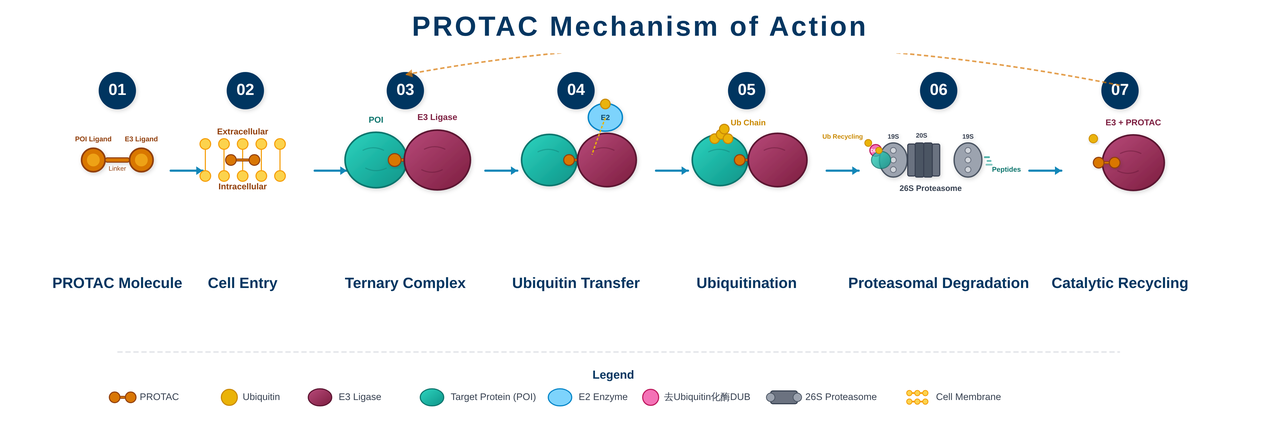
Fig. 1 | PROTAC mechanism of action — a seven-step catalytic cycle driving target protein ubiquitination and proteasomal degradation.

1. Interactome Screening

Approach: Proximity Labeling + Affinity Enrichment MS

Protein-protein interactions underpin TPD pharmacology. Conventional affinity purification MS captures only stable binders, whereas proximity labeling (TurboID/APEX) tags neighboring proteins in live cells, enabling detection of weak and transient interactions. When combined with affinity enrichment MS (AE-MS) for direct interactor validation, this approach delivers comprehensive profiles of degrader-induced interaction networks.
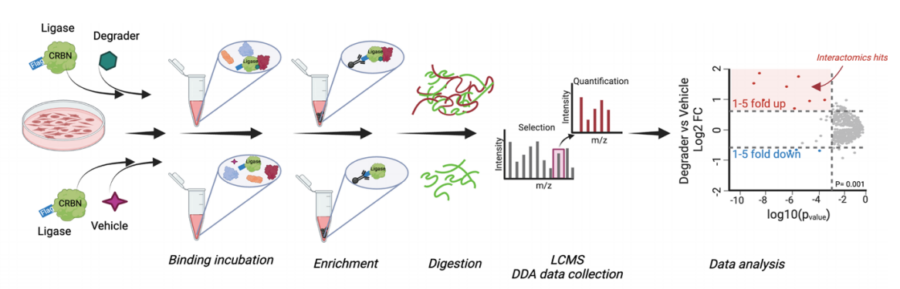
Fig. 2 | Interactomics workflow — unbiased molecular glue target identification via AE-MS quantitative proteomics (Nat Commun, 16:6831, 2025).

Applications

· Molecular glues — unbiased substrate and E3 ligase discovery; interaction network mapping

· PROTACs — ternary complex validation; quantitative assessment of induced proximity

· Novel E3 ligase ligand discovery

Key Advantages

· Captures transient interactions in living cells — physiologically relevant

· Reveals global degrader effects on signaling pathways

Case Study

DCAF11-Dependent M12 Degrader Discovery (Nature, 657, 1045, 2026) Multiplexed IP-MS screening of 7 E3 ligases against a 5,000-compound library identified M12 as an inducer of interaction between DCAF11 — an understudied E3 ligase — and DDX18, a DEAD-box RNA helicase. This work establishes a paradigm for expanding the E3 ligase toolbox.

2. Global Proteome Profiling

Approach: Deep Quantitative Proteomics (Astral DIA)

Evaluating degrader selectivity and off-target effects requires proteome-wide measurement. Our Orbitrap Astral DIA platform quantifies 10,000+ proteins per sample with high reproducibility, sensitivity, and accuracy — well suited for dose-response and time-course studies.

Two DIA Workflows

WorkflowQuantificationAcquisitionPlatformBest For
Deep DIALabel-freeDIAAstral (60 SPD)Deep coverage for complex samples and cohorts
Rapid DIALabel-freeDIAAstral (180 SPD)High-throughput cohort profiling

Applications

· PROTACs — global selectivity profiling and off-target safety assessment

· Molecular glues — degradation atlas generation; unbiased substrate and off-target discovery

· Lead optimization — head-to-head potency and selectivity comparisons
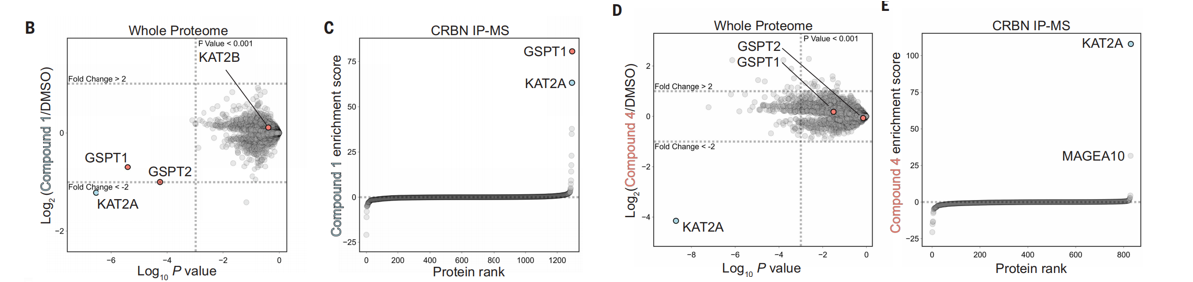
Fig. 3 | Global proteomics validation of KAT2A selective degradation.

Key Advantages

· 10,000+ proteins identified per sample

· Powered by Orbitrap Astral / Astral Zoom mass spectrometers

· Expert bioinformatics analysis team

Case Study

PROTAC Degradation Profiling (ACS Cent Sci, 11:2240, 2024) Global proteomics profiling of 72 AgnoTAC molecules quantified 8,037 proteins and identified 60 unique degradation targets. Of these, 52 (~87%) had no previously reported ligands, substantially expanding the scope of the degradable proteome.

3. Ubiquitylome Profiling

Approach: K-GG Peptide Enrichment + High-Resolution MS

Ubiquitination is an early event in protein degradation, preceding measurable changes in protein abundance. Anti-diGly antibody enrichment of ubiquitinated peptides, combined with Astral DIA, enables proteome-wide mapping of ubiquitination sites at single-lysine resolution. Integrating ubiquitylomics with global proteomics data pinpoints direct substrates before protein-level changes are detectable.

Fig. 4 | Workflow — global ubiquitylomics and proteomics for degradation substrate selectivity.

Applications

· Molecular glues — direct substrate identification (ubiquitination precedes protein loss)

· PROTACs — target ubiquitination kinetics and potency assessment

· Tissue-level ubiquitination pharmacodynamic (PD) biomarker analysis

Key Advantages

· 20,000+ ubiquitination sites per sample

· Single-lysine resolution

· Powered by Orbitrap Astral / Astral Zoom mass spectrometers

Case Study

Molecular Glue Target Discovery (Nat Commun, 16:7773, 2025) Combined proteomics and ubiquitylomics identified substrates for 100 CRBN ligands using a tiered pipeline: 24 h primary screen → 6 h validation → MLN4924 co-treatment (CRL dependence) → 30 min ubiquitylomics (direct substrates), establishing a standardized workflow for molecular glue target discovery.

4. Phosphoproteome Profiling

Approach: Phosphopeptide Enrichment + High-Resolution MS

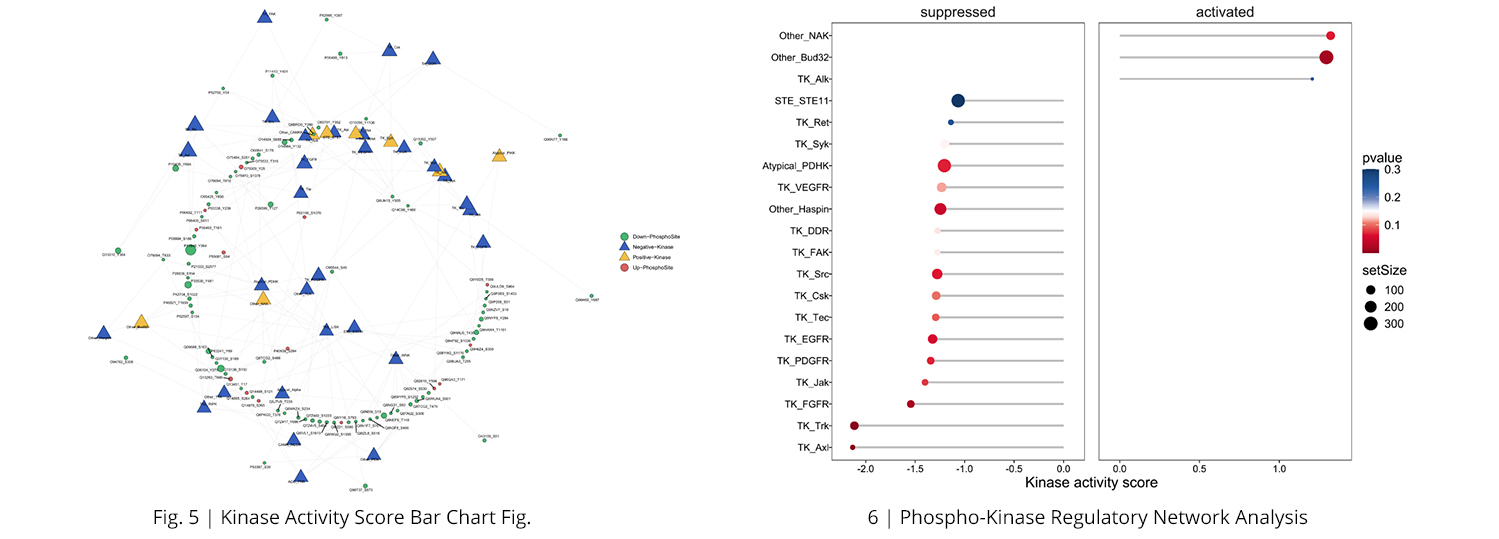
Protein degradation triggers cascading effects on downstream signaling beyond changes in protein abundance. PolyMAC-based phosphopeptide enrichment combined with Astral DIA detects 100,000+ phosphorylation sites per sample, enabling dissection of pathway regulation, kinase activity shifts, and resistance mechanisms.
Applications

· PROTACs — downstream pathway analysis and functional validation post-degradation

· Molecular glues — global pathway remodeling and kinase-substrate network reconstruction

· Resistance mechanism deconvolution and combination target discovery

Key Advantages

· 100,000+ phosphorylation sites per sample

· Comprehensive coverage of core signaling pathways

· Kinase activity inference analysis

Case Study

Resistance Mechanism and Clinical Translation (Science, 383, eadi5798, 2024) Phosphoproteomics and broad kinase profiling uncovered the scaffolding function of BTK kinase-impaired mutations. PROTAC-mediated degradation overcomes this non-enzymatic resistance mechanism, providing clinical proof-of-concept for BTK degraders.

5. Biomarker Discovery and Validation

Approach: Multi-Omics Integration + PRM Targeted Validation

MS-based proteomics enables high-throughput, high-sensitivity biomarker discovery. Our pipeline seamlessly integrates DIA-based discovery with PRM/MRM targeted validation — a clear path from hypothesis generation to clinical translation.
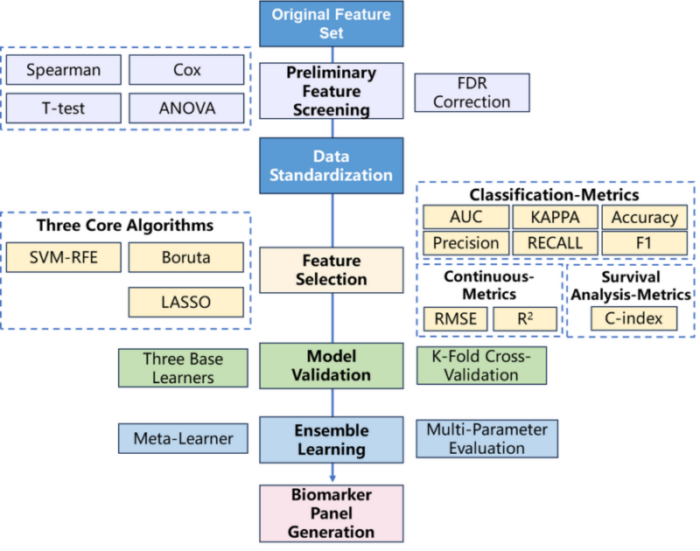
Fig. 7 | Biomarker screening workflow — from feature screening through model validation and ensemble learning to biomarker panel generation.

Applications

· Predictive efficacy biomarkers and patient stratification

· Degradation PD biomarker monitoring and resistance biomarker identification

· Multi-protein panel development and companion diagnostic assay development

Key Advantages

· End-to-end discovery-to-validation pipeline

· Multi-omics integration improves hit rates

· Advanced analytics: multi-algorithm ensemble models for binary, multi-class, and regression applications

Biomarker Performance
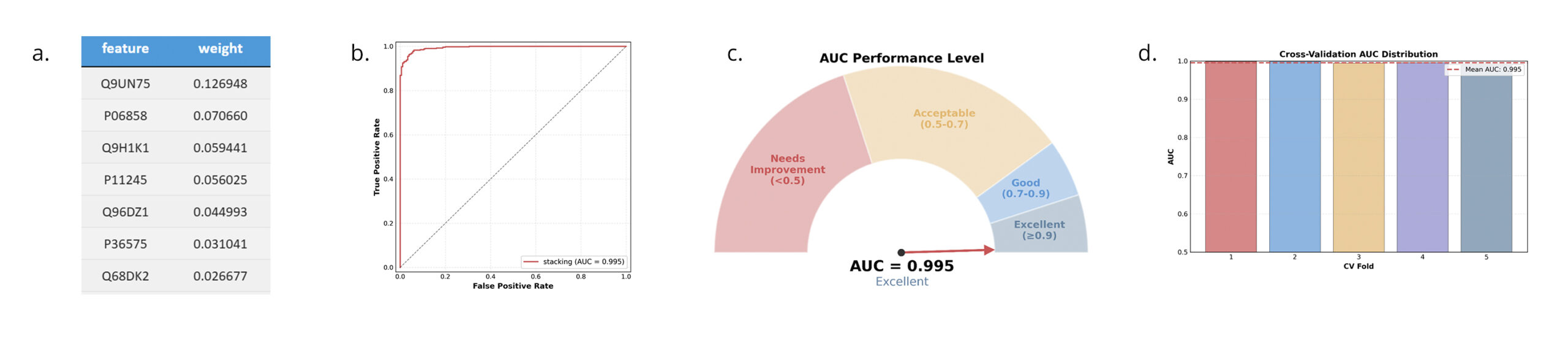
Fig. 8 | Biomarker Screening — Key Findings a. Top biomarker features ranked by weight — ensemble model identifies the most discriminative protein features. b.ROC curve of the stacking ensemble model. c. Cross-validation AUC distribution — consistent performance across all 5 folds d. AUC performance

Case Study

Efficacy Assessment Biomarkers (Nat Commun, 16:7714, 2025) Proteomics and machine learning identified serum protein signatures predictive of antiviral therapy response. Validated in an independent cohort using targeted proteomics, the model significantly outperformed conventional markers including LSM, APRI, and FIB-4.

Technology Platform: Orbitrap Astral Mass Spectrometer

All solutions are powered by the Thermo Fisher Orbitrap Astral high-resolution mass spectrometer. This platform integrates three complementary mass analyzers — combining precision, resolution, and speed:

· Quadrupole: precise precursor ion selection

· Orbitrap: high-resolution, high-dynamic-range HRAM spectra

· Astral: high-sensitivity, high-speed HRAM spectra at up to 200 Hz
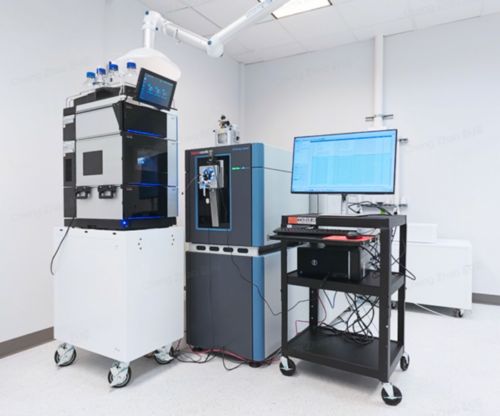
Fig. 9 | Orbitrap Astral mass spectrometer — three complementary analyzers in one platform.

Performance Data

· Deep Coverage · High Reproducibility · Accurate Quantification
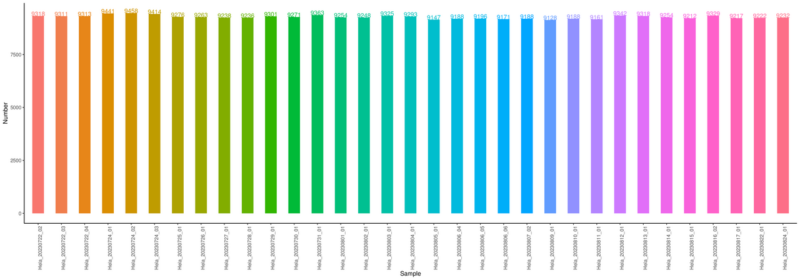
Fig. 10 | Protein identification across HeLa sample batches — consistent deep coverage with high reproducibility.
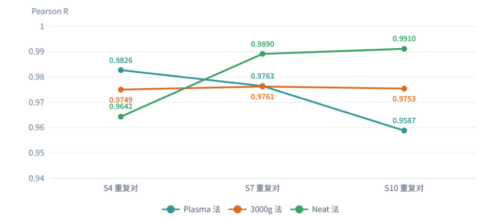
Fig. 11 | Reproducibility assessment — Pearson correlation of replicate pairs across sample preparation methods, all above 0.95.
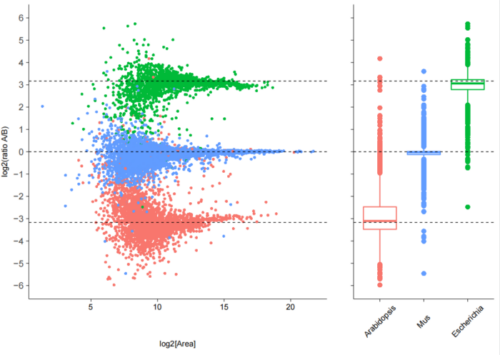
Fig. 12 | Quantitative accuracy — MA plot and species-mixed sample quantification across a wide dynamic range.

Sample TypeDeep DIA (Proteins) CV≤10% CV≤20% CV≤30% Rapid DIA (Proteins) CV≤10% CV≤20% CV≤30%
Mouse Brain10,15555%80%90%8,41552%77%89%
Mouse Testis11,77857%81%90%10,24749%76%87%
HeLa Cells9,45880%93%97%8,35868%86%93%

Conclusion

The TPD field is expanding rapidly, and so is the demand for robust proteomics data across every stage — from target discovery to clinical translation. Backed by the Orbitrap Astral platform and an experienced bioinformatics team, Novogene provides end-to-end proteomics solutions for TPD research: interactomics, global proteomics, ubiquitylomics, phosphoproteomics, and biomarker discovery. Let us help accelerate your degrader programs.

To learn more or discuss a custom project, contact our technical support team.

ServicesServices menu

CompanyCompany menu

Contact UsContact Us menu

Service SupportService Support menu

Services
mRNA SequencingSwift & Express mRNA SequencingTotal RNA SequencingHuman Whole Genome SequencingWhole Exome Sequencing10x Single Cell Gene ExpressionIllumina PIP-seq Single Cell 3’ RNA SequencingSpatial Transcriptomics SequencingWhole Genome Bisulfite Sequencing (WGBS)Quantitative ProteomicsUntargeted MetabolomicsShotgun Metagenomics SequencingMetatranscriptome SequencingSequencing Only on Illumina SequencerSequencing Only on Ultima SequencerFull-Length Transcriptome SequencingChromatin Immunoprecipitation Sequencing (ChIP-seq)
Company
About UsOur LocationsNews & EventsCareers
Contact Us
Contact Us
Service Support
Automated Delivery Platform (Falcon)Bioinformatics Analysis Tool (NovoMagic)Customer Service System (CSS)
LinkedInLinkedIn hoverYouTubeYouTube hoverXX hoverMetaMeta hoverInstagramInstagram hover
Copyright © 2026 Novogene Corporation Inc. All rights reserved. For Research Use Only.
    • Cart
    • Quote
    • Inquiry
    • Cart
    • Quote
    • Inquiry
Novogene
  • Novogene
  • Genomics
    • Human Whole Genome Sequencing
    • Whole Exome Sequencing
    • Plant and Animal Whole Genome Sequencing
    • Microbial Whole Genome Sequencing

    Metagenomics

    • Shotgun Metagenomics Sequencing
    • Amplicon Sequencing

    Transcriptomics

    • mRNA Sequencing
    • Swift & Express mRNA Sequencing New!
    • Full-Length Transcriptome Sequencing
    • Prokaryotic RNA Sequencing
    • Metatranscriptome Sequencing
    • Total RNA Sequencing
    • Small RNA Sequencing (sRNA‑seq)
    • Whole Transcriptome Sequencing

    Single Cell & Spatial Omics

    • 10x Single Cell Gene Expression
    • Illumina PIP-seq Single Cell 3’ RNA Sequencing New!
    • Spatial Transcriptomics Sequencing New!

    Epigenomics

    • Whole Genome Bisulfite Sequencing (WGBS)
    • Enzymatic Methylation Sequencing
    • Directed Methylation Sequencing (DM-Seq) New!
    • RNA Immunoprecipitation Sequencing (RIP-seq)
    • Chromatin Immunoprecipitation Sequencing (ChIP-seq)
    • Cleavage Under Targets & Tagmentation (CUT&Tag) New!
    • Assay for Transposase-Accessible Chromatin with Sequencing (ATAC-seq)
    • Reduced Representation Bisulfite Sequencing (RRBS)

    Proteomics

    • Quantitative Proteomics New!
    • PTM Proteomics New!
    • Olink Proteomics New!

    Metabolomics

    • Untargeted Metabolomics

    Premade Library

    • Sequencing Only on Illumina Sequencer
    • Sequencing Only on Ultima Sequencer
  • PromotionsPromotions
    • Platforms
    • Service & Support
    • Automated Delivery Platform (Falcon)
    • Bioinformatics Analysis Tool (NovoMagic)
    • Customer Service System (CSS)
    • Case Study
    • Blog
    • Webinar
    • Brochure
    • Cancer Research
    • Immuno-oncology
    • Agrigenomics
    • Environment
    • Food Science
    • Human Microbiome
    • Plant and Animal Microbiome
    • Drug Discovery and Development
    • Rare and Complex Diseases
    • About Us
    • Our Locations
    • News & Events
    • Careers
  • Contact UsContact Us
    • mRNA Sequencing
    • Illumina Lane Sequencing
  1. Home
  2. Resources
  3. Blog
  4. Proteomics Solutions for Targeted Protein Degradation Drug Discovery

Proteomics Solutions for Targeted Protein Degradation Drug Discovery

Novogene delivers end-to-end proteomics solutions for targeted protein degradation (TPD) research — from interactome screening and global proteome profiling to ubiquitylome mapping, phosphoproteomics, and biomarker discovery — supporting the full drug discovery and mechanism-of-action pipeline.

Introduction

Targeted protein degradation (TPD) harnesses a catalytic mechanism to selectively eliminate pathogenic proteins, opening new avenues for traditionally “undruggable” targets. Two leading modalities — PROTACs and molecular glue degraders (MGDs) — have advanced rapidly, with the 2025 FDA approval of vepdegestrant marking the entry of PROTACs into clinical practice.As more degraders progress toward the clinic, key challenges persist: elucidating degradation mechanisms, assessing selectivity and safety, and identifying reliable biomarkers across the drug discovery pipeline.

Fig. 1 | PROTAC mechanism of action — a seven-step catalytic cycle driving target protein ubiquitination and proteasomal degradation.

1. Interactome Screening

Approach: Proximity Labeling + Affinity Enrichment MS

Protein-protein interactions underpin TPD pharmacology. Conventional affinity purification MS captures only stable binders, whereas proximity labeling (TurboID/APEX) tags neighboring proteins in live cells, enabling detection of weak and transient interactions. When combined with affinity enrichment MS (AE-MS) for direct interactor validation, this approach delivers comprehensive profiles of degrader-induced interaction networks.

Fig. 2 | Interactomics workflow — unbiased molecular glue target identification via AE-MS quantitative proteomics (Nat Commun, 16:6831, 2025).

Applications

· Molecular glues — unbiased substrate and E3 ligase discovery; interaction network mapping

· PROTACs — ternary complex validation; quantitative assessment of induced proximity

· Novel E3 ligase ligand discovery

Key Advantages

· Captures transient interactions in living cells — physiologically relevant

· Reveals global degrader effects on signaling pathways

Case Study

DCAF11-Dependent M12 Degrader Discovery (Nature, 657, 1045, 2026) Multiplexed IP-MS screening of 7 E3 ligases against a 5,000-compound library identified M12 as an inducer of interaction between DCAF11 — an understudied E3 ligase — and DDX18, a DEAD-box RNA helicase. This work establishes a paradigm for expanding the E3 ligase toolbox.

2. Global Proteome Profiling

Approach: Deep Quantitative Proteomics (Astral DIA)

Evaluating degrader selectivity and off-target effects requires proteome-wide measurement. Our Orbitrap Astral DIA platform quantifies 10,000+ proteins per sample with high reproducibility, sensitivity, and accuracy — well suited for dose-response and time-course studies.

Two DIA Workflows

WorkflowQuantificationAcquisitionPlatformBest For
Deep DIALabel-freeDIAAstral (60 SPD)Deep coverage for complex samples and cohorts
Rapid DIALabel-freeDIAAstral (180 SPD)High-throughput cohort profiling

Applications

· PROTACs — global selectivity profiling and off-target safety assessment

· Molecular glues — degradation atlas generation; unbiased substrate and off-target discovery

· Lead optimization — head-to-head potency and selectivity comparisons

Fig. 3 | Global proteomics validation of KAT2A selective degradation.

Key Advantages

· 10,000+ proteins identified per sample

· Powered by Orbitrap Astral / Astral Zoom mass spectrometers

· Expert bioinformatics analysis team

Case Study

PROTAC Degradation Profiling (ACS Cent Sci, 11:2240, 2024) Global proteomics profiling of 72 AgnoTAC molecules quantified 8,037 proteins and identified 60 unique degradation targets. Of these, 52 (~87%) had no previously reported ligands, substantially expanding the scope of the degradable proteome.

3. Ubiquitylome Profiling

Approach: K-GG Peptide Enrichment + High-Resolution MS

Ubiquitination is an early event in protein degradation, preceding measurable changes in protein abundance. Anti-diGly antibody enrichment of ubiquitinated peptides, combined with Astral DIA, enables proteome-wide mapping of ubiquitination sites at single-lysine resolution. Integrating ubiquitylomics with global proteomics data pinpoints direct substrates before protein-level changes are detectable.

Fig. 4 | Workflow — global ubiquitylomics and proteomics for degradation substrate selectivity.

Applications

· Molecular glues — direct substrate identification (ubiquitination precedes protein loss)

· PROTACs — target ubiquitination kinetics and potency assessment

· Tissue-level ubiquitination pharmacodynamic (PD) biomarker analysis

Key Advantages

· 20,000+ ubiquitination sites per sample

· Single-lysine resolution

· Powered by Orbitrap Astral / Astral Zoom mass spectrometers

Case Study

Molecular Glue Target Discovery (Nat Commun, 16:7773, 2025) Combined proteomics and ubiquitylomics identified substrates for 100 CRBN ligands using a tiered pipeline: 24 h primary screen → 6 h validation → MLN4924 co-treatment (CRL dependence) → 30 min ubiquitylomics (direct substrates), establishing a standardized workflow for molecular glue target discovery.

4. Phosphoproteome Profiling

Approach: Phosphopeptide Enrichment + High-Resolution MS

Protein degradation triggers cascading effects on downstream signaling beyond changes in protein abundance. PolyMAC-based phosphopeptide enrichment combined with Astral DIA detects 100,000+ phosphorylation sites per sample, enabling dissection of pathway regulation, kinase activity shifts, and resistance mechanisms.

Applications

· PROTACs — downstream pathway analysis and functional validation post-degradation

· Molecular glues — global pathway remodeling and kinase-substrate network reconstruction

· Resistance mechanism deconvolution and combination target discovery

Key Advantages

· 100,000+ phosphorylation sites per sample

· Comprehensive coverage of core signaling pathways

· Kinase activity inference analysis

Case Study

Resistance Mechanism and Clinical Translation (Science, 383, eadi5798, 2024) Phosphoproteomics and broad kinase profiling uncovered the scaffolding function of BTK kinase-impaired mutations. PROTAC-mediated degradation overcomes this non-enzymatic resistance mechanism, providing clinical proof-of-concept for BTK degraders.

5. Biomarker Discovery and Validation

Approach: Multi-Omics Integration + PRM Targeted Validation

MS-based proteomics enables high-throughput, high-sensitivity biomarker discovery. Our pipeline seamlessly integrates DIA-based discovery with PRM/MRM targeted validation — a clear path from hypothesis generation to clinical translation.

Fig. 7 | Biomarker screening workflow — from feature screening through model validation and ensemble learning to biomarker panel generation.

Applications

· Predictive efficacy biomarkers and patient stratification

· Degradation PD biomarker monitoring and resistance biomarker identification

· Multi-protein panel development and companion diagnostic assay development

Key Advantages

· End-to-end discovery-to-validation pipeline

· Multi-omics integration improves hit rates

· Advanced analytics: multi-algorithm ensemble models for binary, multi-class, and regression applications

Biomarker Performance

Fig. 8 | Biomarker Screening — Key Findings a. Top biomarker features ranked by weight — ensemble model identifies the most discriminative protein features. b.ROC curve of the stacking ensemble model. c. Cross-validation AUC distribution — consistent performance across all 5 folds d. AUC performance

Case Study

Efficacy Assessment Biomarkers (Nat Commun, 16:7714, 2025) Proteomics and machine learning identified serum protein signatures predictive of antiviral therapy response. Validated in an independent cohort using targeted proteomics, the model significantly outperformed conventional markers including LSM, APRI, and FIB-4.

Technology Platform: Orbitrap Astral Mass Spectrometer

All solutions are powered by the Thermo Fisher Orbitrap Astral high-resolution mass spectrometer. This platform integrates three complementary mass analyzers — combining precision, resolution, and speed:

· Quadrupole: precise precursor ion selection

· Orbitrap: high-resolution, high-dynamic-range HRAM spectra

· Astral: high-sensitivity, high-speed HRAM spectra at up to 200 Hz

Fig. 9 | Orbitrap Astral mass spectrometer — three complementary analyzers in one platform.

Performance Data

· Deep Coverage · High Reproducibility · Accurate Quantification

Fig. 10 | Protein identification across HeLa sample batches — consistent deep coverage with high reproducibility.

Fig. 11 | Reproducibility assessment — Pearson correlation of replicate pairs across sample preparation methods, all above 0.95.

Fig. 12 | Quantitative accuracy — MA plot and species-mixed sample quantification across a wide dynamic range.

Sample TypeDeep DIA (Proteins) CV≤10% CV≤20% CV≤30% Rapid DIA (Proteins) CV≤10% CV≤20% CV≤30%
Mouse Brain10,15555%80%90%8,41552%77%89%
Mouse Testis11,77857%81%90%10,24749%76%87%
HeLa Cells9,45880%93%97%8,35868%86%93%

Conclusion

The TPD field is expanding rapidly, and so is the demand for robust proteomics data across every stage — from target discovery to clinical translation. Backed by the Orbitrap Astral platform and an experienced bioinformatics team, Novogene provides end-to-end proteomics solutions for TPD research: interactomics, global proteomics, ubiquitylomics, phosphoproteomics, and biomarker discovery. Let us help accelerate your degrader programs.

To learn more or discuss a custom project, contact our technical support team.

ServicesServices menu

CompanyCompany menu

Contact UsContact Us menu

Service SupportService Support menu

Services
mRNA SequencingSwift & Express mRNA SequencingTotal RNA SequencingHuman Whole Genome SequencingWhole Exome Sequencing10x Single Cell Gene ExpressionIllumina PIP-seq Single Cell 3’ RNA SequencingSpatial Transcriptomics SequencingWhole Genome Bisulfite Sequencing (WGBS)Quantitative ProteomicsUntargeted MetabolomicsShotgun Metagenomics SequencingMetatranscriptome SequencingSequencing Only on Illumina SequencerSequencing Only on Ultima SequencerFull-Length Transcriptome SequencingChromatin Immunoprecipitation Sequencing (ChIP-seq)
Company
About UsOur LocationsNews & EventsCareers
Contact Us
Contact Us
Service Support
Automated Delivery Platform (Falcon)Bioinformatics Analysis Tool (NovoMagic)Customer Service System (CSS)
LinkedInLinkedIn hoverYouTubeYouTube hoverXX hoverMetaMeta hoverInstagramInstagram hover
Copyright © 2026 Novogene Corporation Inc. All rights reserved. For Research Use Only.
Your Privacy ChoicesPrivacy PolicyCookie PolicyCareers