
From Sample Constraints to Biological Insight

Single-cell experiments are often described in terms of sequencing depth, cell numbers, and analytical pipelines. Yet in many ambitious studies, the decisive challenge appears much earlier: how can researchers preserve scarce specimens, coordinate samples collected at different times, and compare multiple perturbations without allowing technical variation to obscure the biology?
Two recent Nature papers illustrate how Chromium Fixed RNA Profiling—commonly known as 10x Genomics Flex—can address these experimental-design challenges. One study mapped molecular and cellular dynamics across human brain development and functionally tested neuron-to-neuron signaling in fetal cortical tissue. The other investigated how cancer cells disrupt monocyte‑mediated T‑cell stimulation and identified therapeutic strategies that restore antitumor immunity.
Although the biological questions were very different, Flex played a similar strategic role in both projects: it allowed samples to be fixed when they became available, stored, multiplexed, and processed through a more standardized pooled workflow.
Case Study 1: Testing Somatostatin Signaling in the Developing Human Brain
Reference: Wang et al., Nature (2025). DOI: https://doi.org/10.1038/s41586-024-08351-7
The biological question
Human neocortical development involves coordinated changes in cell identity, gene regulation, spatial organization, and intercellular communication. To capture this complexity, Wang and colleagues constructed a single‑cell multi‑omic atlas spanning the first trimester through adolescence. Their broader approach integrated single‑nucleus multiome profiling with MERFISH spatial transcriptomics to characterize developmental cell states and gene‑regulatory programs .
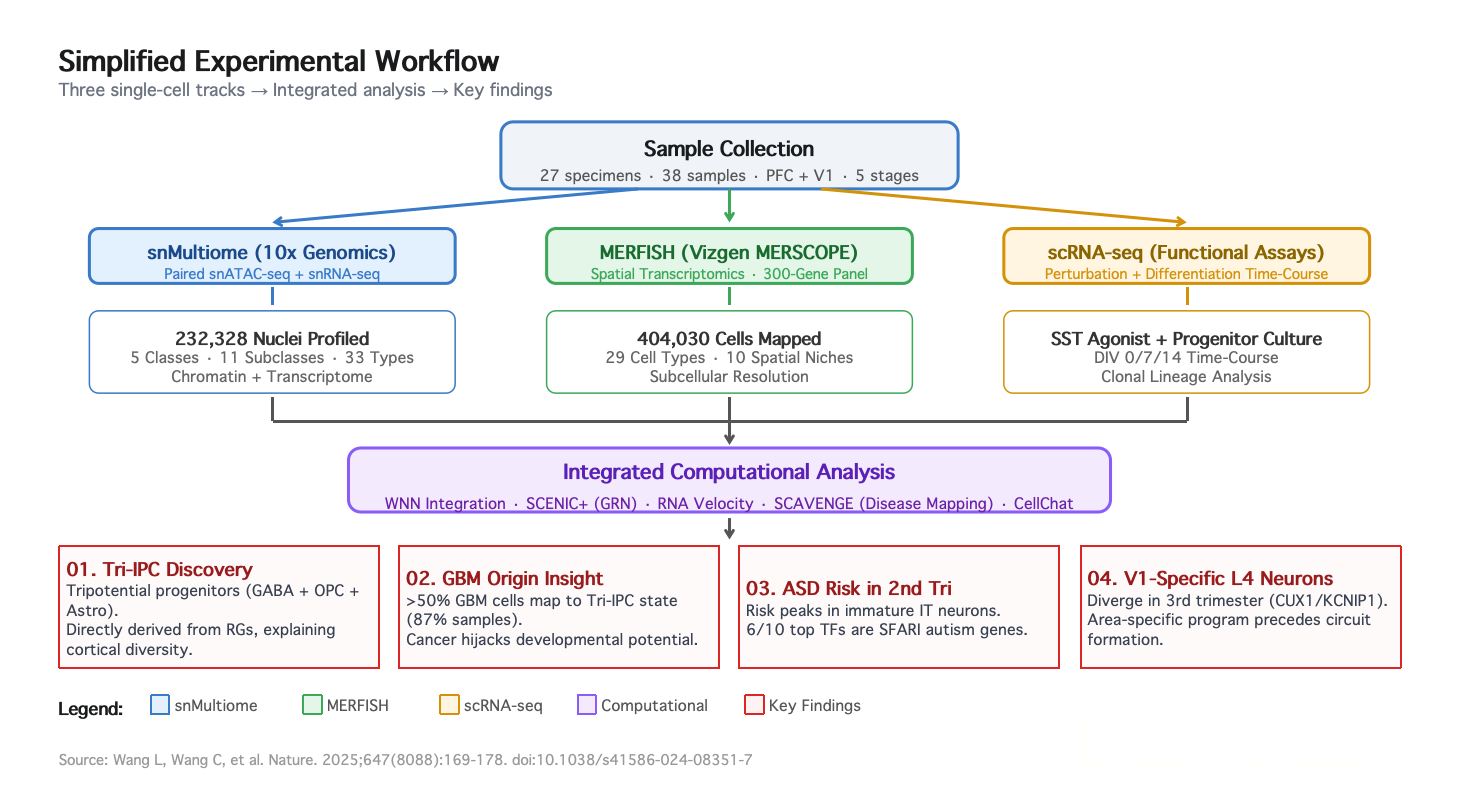
Figure1 Experimental workflow: Three single‑cell tracks → Integrated analysis → Key findings
The atlas also generated a testable mechanistic hypothesis. Spatial and ligand–receptor analyses suggested that medial ganglionic eminence‑derived somatostatin‑expressing inhibitory neurons (IN‑MGE‑SSTs) may regulate the maturation of excitatory neurons through somatostatin receptor signaling.
To examine this prediction experimentally, the investigators treated mid‑gestational human cortical slice cultures with two somatostatin receptor agonists, octreotide and L‑054,264. Single‑cell transcriptomic profiling was then used to determine whether neuronal subtypes predicted to communicate with IN‑MGE‑SSTs responded differently from subtypes outside the predicted interaction network (Figure1).
Where Flex entered the workflow
The functional study included six independent batches of cortical slice culture and treatment. Each batch was fixed with paraformaldehyde for 18 hours at 4 °C using the Chromium Next GEM Single Cell Fixed RNA workflow. Following enhancer and glycerol treatment, the fixed material was stored at −80 °C.
Once all six experimental batches had been collected, the samples were dissociated and independently hybridized with barcoded Human Whole Transcriptome Analysis probes. After washing, the barcoded samples were pooled for library construction and sequenced on the NovaSeq X platform, with a target of approximately 20,000 read pairs per cell.
Cell Ranger multi was used for initial processing. Cells with more than 500 detected genes were retained, doublets were removed with scDblFinder, and the data were normalized using SCTransform v2.
Why fixation and multiplexing mattered
Human fetal cortical tissue is exceptionally limited, and slice‑culture experiments cannot always be synchronized into a single fresh‑sample workflow. Fixation allowed each batch to be preserved at a defined experimental endpoint and stored until the complete study cohort was ready.
This design provided three practical advantages:· Preservation of scarce material: Samples could be stabilized soon after treatment rather than being lost because downstream processing could not occur immediately.
· Coordinated processing: Samples collected across six batches could enter probe hybridization and library preparation within a centralized workflow, reducing variation associated with separate processing dates.
· Efficient multiplexing: Barcoded probe sets allowed multiple samples to be pooled while preserving sample identity, improving operational efficiency and simplifying direct comparisons.
Flex does not make biological and technical batch effects disappear automatically. However, fixing samples at collection and processing them together can substantially reduce downstream handling differences and make batch structure easier to manage analytically.
What the experiment revealed
The transcriptional responses induced by the two somatostatin receptor agonists were positively correlated in excitatory‑neuron subtypes predicted to interact with IN‑MGE‑SSTs. In contrast, this concordant response was not observed in newborn excitatory neurons, which were not expected to participate in the same interaction.
Across responsive excitatory‑neuron subtypes, both agonists suppressed programs related to neuronal projection development and synaptogenesis while activating metabolic processes. These results supported the predicted specificity of somatostatin signaling and provided functional evidence that inhibitory neurons help regulate excitatory‑neuron maturation during human cortical development.
The key contribution of Flex was therefore not simply the generation of another single‑cell dataset. It made a difficult, multi‑batch perturbation experiment in precious human tissue operationally feasible.
Case Study 2: Defining How Tumors Disable Monocyte–T‑Cell Cooperation
Reference: Elewaut et al., Nature (2024). DOI: https://doi.org/10.1038/s41586‑024‑08257‑4
The biological question
Elewaut and colleagues investigated why some melanoma tumors fail to support effective CD8⁺ T‑cell restimulation. Using paired tumor models that were sensitive or resistant to targeted therapy—referred to as NTT and RTT—the researchers had observed that resistant tumors lacked inflammatory monocytes and did not sustain intratumoral T‑cell expansion.
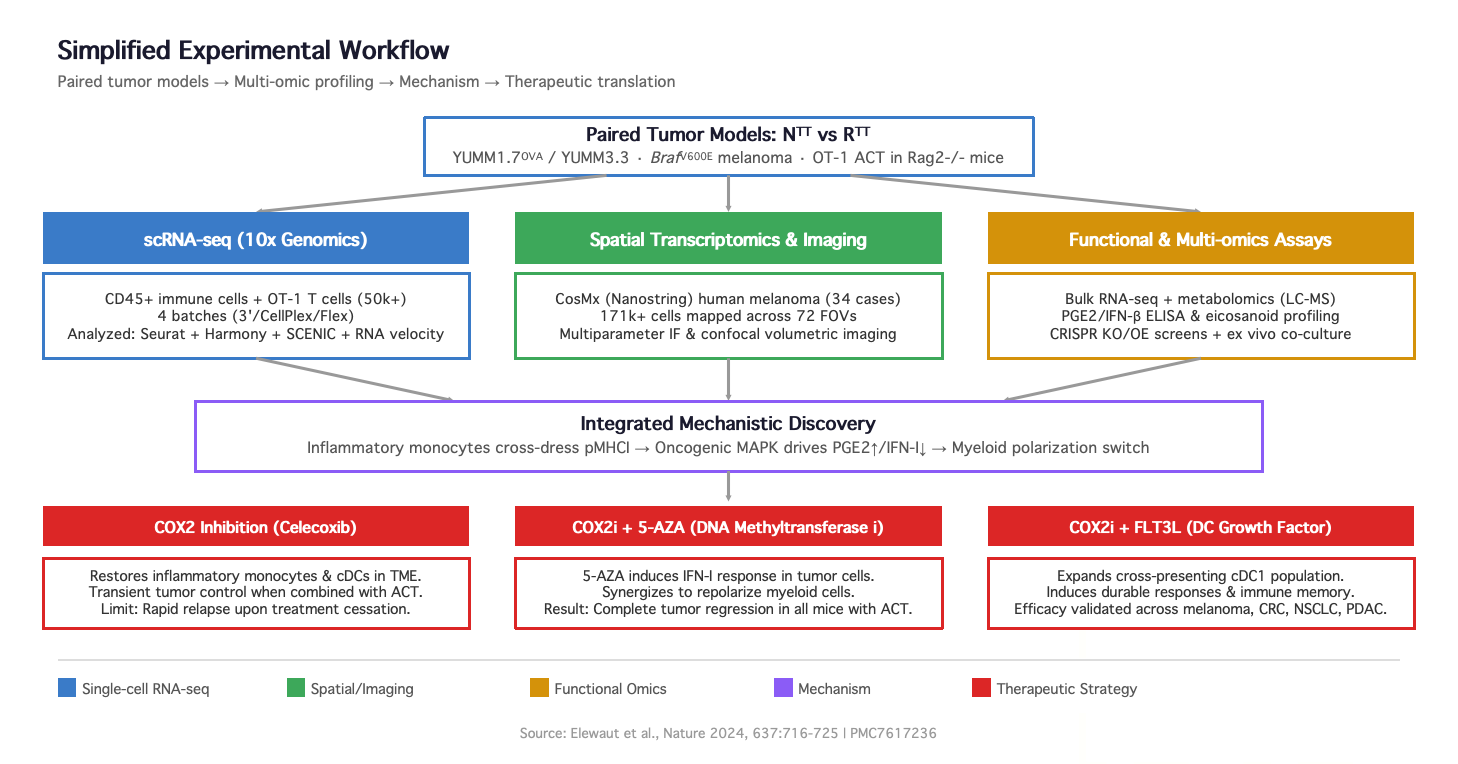
Figure 2 Experimental workflow: Paired tumor models → Multi‑omic profiling → Mechanism → Therapeutic translation
The study tested whether two tumor‑derived signals were responsible: insufficient type I interferon activity and elevated prostaglandin E₂ (PGE₂). To dissect their contributions, the researchers compared several interventions, including control treatment, IRF3/7 overexpression to restore type I interferon signaling, cyclooxygenase‑2 inhibition to reduce PGE₂, and a combination of COX2 inhibition with 5‑azacytidine.
This design required direct comparison of multiple conditions as well as evaluation across experiments performed at different times (Figure2).
Where Flex entered the workflow
For Experiments 3 and 4, tumor‑derived cells were fixed with paraformaldehyde for 22 hours at 4 °C, quenched, and stored at −80 °C. Approximately 250,000 cells from each sample were used for hybridization with the mouse transcriptome probe set in a 4‑plex × 4‑barcode configuration.
Following individual hybridization, samples were pooled in equal proportions and processed with the pooled‑wash workflow. GEM generation was performed on the Chromium X system with a target recovery of 10,000 cells per sample. Data were processed using Cell Ranger multi v7.1.0, and Harmony was subsequently used to integrate data across experimental batches.
Why Flex matched the study design
The central question depended on distinguishing true treatment‑induced changes from processing‑related variation. Flex supported this goal in several ways:
· Direct multi‑condition comparison: Four treatment conditions could be fixed independently, barcoded, and advanced through pooled downstream steps.
· Cross‑experiment validation: Fixed storage made it easier to preserve samples from separate experiments and incorporate additional controls as the study evolved.
· Flexible study expansion: Researchers could add or revisit conditions without requiring every sample to be processed as fresh tissue on the same day.
· Standardized downstream handling: Pooling after sample‑specific probe hybridization reduced differences introduced during later library‑preparation steps.
The use of Harmony in the final analysis is an important reminder that experimental multiplexing and computational integration are complementary. Flex can reduce avoidable technical variation, but careful quality control and appropriate integration remain necessary when samples originate from separate biological experiments.
What the experiment revealed
The multi‑condition analysis showed that inflammatory monocytes expressed antigen‑presentation machinery, including MHC class I and II components, together with T‑cell‑recruiting chemokines such as Cxcl9 and Cxcl10. These monocytes stimulated T cells in part through “cross‑dressing”—the acquisition and presentation of tumor‑derived peptide–MHC‑I complexes.
In resistant RTT tumors, high PGE₂ and weak type I interferon signaling cooperated to prevent monocytes from adopting this inflammatory, T‑cell‑stimulatory state. Restoring interferon signaling through IRF3/7 overexpression or inhibiting COX2 reconstituted inflammatory monocytes, supported T‑cell expansion, and improved tumor control. Combination strategies involving COX2 inhibition with 5‑azacytidine or FLT3L produced more durable tumor remission.
Here, Flex enabled the researchers to compare a mechanistically complex treatment matrix while preserving the biological context of each sample. That comparison helped connect tumor‑derived signals, monocyte state, T‑cell restimulation, and therapeutic response in a single experimental framework.
What These Studies Teach Us About Experimental Design
| Application | Experimental challenge | How Flex contributed |
| Multi‑batch functional studies | Samples are generated at different times, and tissue is scarce | Fixation and frozen storage preserve each endpoint until coordinated processing is possible |
| Multi‑condition perturbation studies | Treatment effects may be confounded by separate downstream handling | Sample‑specific barcoding followed by pooling supports more consistent processing |
| Cross‑experiment validation | Biological replicates and controls may not be available simultaneously | Fixed samples can be stored and incorporated into later workflows |
| High‑value clinical or developmental specimens | Fresh processing is logistically difficult and sample loss is costly | Stabilization decouples sample collection from library preparation |
| Complex study designs | Many conditions increase cost and operational burden | Multiplexing consolidates samples while maintaining their identities |
The common lesson is that fixed‑RNA profiling should be considered during study design—not only after samples have been collected. The greatest value appears when collection timing, sample scarcity, treatment complexity, or multi‑site logistics would otherwise force compromises in experimental balance.
Beyond a Sequencing Workflow
These two Nature studies show that Flex is more than a method for measuring RNA in fixed cells. It is an experimental‑design platform that separates the timing of sample acquisition from the timing of single‑cell processing.
In developmental neuroscience, that separation made it possible to preserve rare human cortical samples across six functional experiments and evaluate cell‑type‑specific responses together. In cancer immunology, it supported pooled comparisons across treatment conditions and helped validate a pathway connecting tumor‑derived PGE₂ and type I interferon signaling to monocyte‑dependent T‑cell activation.
The broader implication is clear: when samples are precious, experimental conditions are numerous, or collection occurs over time, the ability to fix, store, barcode, and pool can improve both feasibility and comparability. Flex does not replace rigorous experimental balancing, quality control, or computational correction. Instead, it gives researchers more control over when and how technical variation enters the experiment—making it easier for genuine biological signals to emerge.
Product names and catalog numbers are included to describe the workflows reported in the cited studies. Researchers should consult the current manufacturer documentation when planning new experiments.